Retinol Cream: The Ultimate Guide to Youthful, Clear Skin
Retinol is one of the most scientifically-backed skincare ingredients available. This comprehensive guide will help you understand its benefits, how to use it safely, and choose the right product for your skin goals.
What is Retinol Cream?
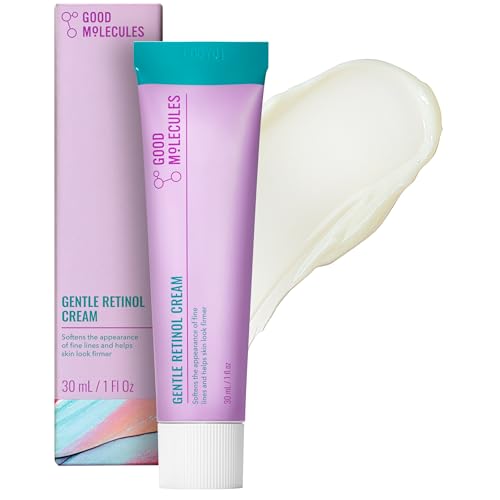
Retinol cream is a topical skincare product that contains a derivative of Vitamin A. It's a type of retinoid, a class of compounds known for their powerful effects on skin cell turnover. Unlike stronger prescription retinoids like tretinoin, retinol is available over-the-counter and is considered a gentler option, making it suitable for a wider range of skin types. When applied to the skin, retinol is converted into retinoic acid, the active form that works at a cellular level to stimulate collagen production and accelerate cell renewal.
This makes retinol cream a versatile and highly effective ingredient for addressing multiple skin concerns, from fine lines and wrinkles to acne and uneven skin tone. Understanding how retinol works is the first step to incorporating it successfully into your routine.
Key Benefits of Retinol Cream
Retinol cream offers a wide array of benefits for the skin, making it a cornerstone of many effective skincare routines. Here are the primary advantages you can expect:
Reduces Fine Lines & Wrinkles
By stimulating collagen production, retinol helps plump the skin, diminishing the appearance of fine lines and deeper wrinkles.
Improves Skin Texture
It accelerates cell turnover, smoothing rough skin texture and revealing a softer, more refined complexion.
Fights Acne & Breakouts
Retinol helps prevent pores from becoming clogged, reducing the formation of acne and blackheads.
Fades Hyperpigmentation
It helps to fade dark spots, sun spots, and post-inflammatory hyperpigmentation by shedding pigmented cells more quickly.
How to Use Retinol Cream: A Beginner's Guide
Introducing retinol into your skincare routine requires patience and a gentle approach to avoid irritation. Incorrect use is a common reason people give up on retinol before seeing results. Follow this step-by-step guide for a safe and effective experience.
Step 1: Start Slowly
For the first few weeks, apply your retinol cream only once or twice a week. This "retinization" period allows your skin to build tolerance. Apply it at night, as retinol can be degraded by sunlight.
Step 2: Use the "Sandwich" Method
To further minimize irritation, use the sandwich technique: apply a thin layer of a gentle, fragrance-free moisturizer, then apply your retinol, and follow with another layer of moisturizer. This buffers the retinol's absorption, making it gentler on the skin. A good lightweight moisturizer is ideal for this step.
Step 3: Use a Pea-Sized Amount
A little goes a long way. For your entire face, a pea-sized amount is sufficient. Apply it in thin dots over your face and gently smooth it in, avoiding the delicate eye area.
Step 4: Always Use Sunscreen
This is the most crucial rule when using retinol. Because retinol accelerates cell turnover, it makes your skin more sensitive to the sun. Daily application of a broad-spectrum SPF 30 or higher is non-negotiable. A good sunscreen for your face will protect your new skin and prevent the damage retinol is working to repair.
Choosing the Best Retinol Cream for Your Skin Type
With so many retinol creams on the market, finding the right one can feel overwhelming. The best choice depends on your skin type and primary concern.
For Sensitive Skin
Look for formulations with a lower percentage of retinol (e.g., 0.1% to 0.25%) or encapsulated retinol which releases slowly. Products containing soothing ingredients like ceramides and niacinamide can also help mitigate irritation. A ceramide moisturizer in your routine can further support your skin barrier.
For Oily & Acne-Prone Skin
Gels, serums, or lightweight lotions are often better than heavy creams. These formulations are less likely to clog pores. Many products also combine retinol with acne-fighting ingredients like salicylic acid or niacinamide.
For Dry or Mature Skin
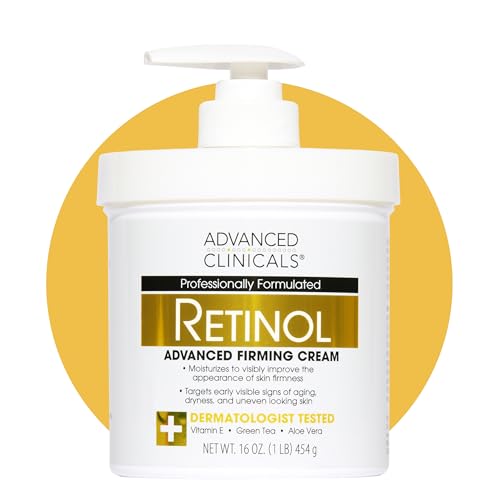
Richer cream formulations are ideal as they deliver hydration alongside the active retinol. Look for products with added emollients and humectants like hyaluronic acid or squalane to combat dryness. A rich K-beauty moisturizer can provide excellent hydration in combination with your retinol routine.
Potential Side Effects and How to Manage Them
While retinol is incredibly effective, it often comes with an adjustment period. The "retinol purge" can be discouraging for new users, but it's usually a sign that the product is working.
- Dryness & Peeling: This is the most common side effect. Manage it by using a rich, hydrating moisturizer and starting with a lower frequency.
- Redness & Irritation: This can occur if you are too aggressive with application. Reduce the frequency and ensure you are using the sandwich method.
- Purging (Initial Breakouts): As retinol accelerates cell turnover, it can bring underlying blockages to the surface, temporarily causing more breakouts. This phase usually passes within 4-6 weeks.
Pro Tip: If you experience severe or persistent irritation, stop using the product and consult a dermatologist. Patience is key; it can take 8-12 weeks of consistent use to see visible improvements in fine lines and wrinkles.
Frequently Asked Questions About Retinol
Can I use retinol every day?
Eventually, yes. It's best to start slowly (1-2 times a week) and gradually increase to every night as your skin tolerates it.
Can I use retinol with Vitamin C?
Yes, but it's best to use them at different times of day. Use Vitamin C in the morning (under your sunscreen) and retinol at night.
Is retinol safe during pregnancy?
Generally, it's recommended to avoid retinol during pregnancy and while breastfeeding. Always consult with your healthcare provider.
What's the difference between retinol and retinoid?
Retinoid is the umbrella term for all Vitamin A derivatives. Retinol is a specific type of retinoid that is available over-the-counter.