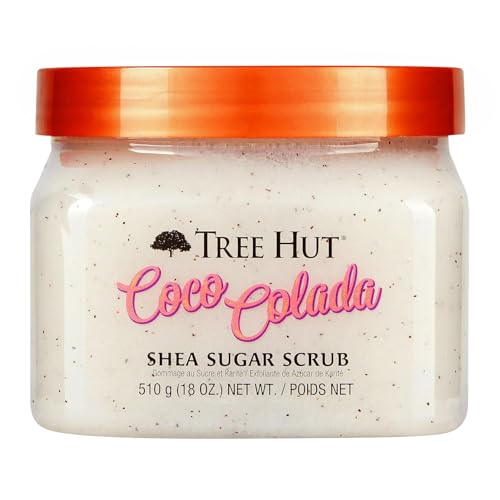
Exfoliate Scrub: The Ultimate Guide to Radiant Skin
Exfoliation is the secret to a smooth, glowing complexion. Whether you're new to scrubs or a skincare pro, this guide covers everything you need to know about choosing and using the perfect exfoliate scrub for your skin type.
What is an Exfoliate Scrub?
An exfoliate scrub is a skincare product designed to remove dead skin cells from the surface of your skin. This process, known as exfoliation, helps to unclog pores, smooth rough patches, and reveal the fresh, healthy skin underneath. Regular exfoliation can also boost the effectiveness of your other skincare products, like hydrating serums and lightweight moisturizers, by allowing them to penetrate more deeply.
💡 Did you know? Your skin naturally sheds dead cells every 28 days, but as we age, this process slows down. An exfoliate scrub helps accelerate this process, keeping your skin looking youthful and vibrant.
Key Benefits of Using an Exfoliate Scrub
✨ Brighter Complexion
Removes dull, dead skin cells to reveal a more radiant and even-toned appearance.
🧼 Unclogs Pores
Helps prevent breakouts by clearing out dirt, oil, and impurities trapped in pores.
💧 Boosts Product Absorption
Allows your serums and moisturizers to penetrate deeper, making them more effective.
🌟 Smooths Skin Texture
Reduces roughness and fine lines, leaving your skin feeling silky and soft.
Types of Exfoliating Scrubs: Which One is Right for You?
Exfoliating scrubs generally fall into two main categories: physical and chemical. Understanding the difference is key to finding the best exfoliate scrub for your skin's needs.
🟣 Physical Exfoliants
These scrubs use tiny granules or particles to manually buff away dead skin cells. They are great for an immediate smoothing effect. Common ingredients include sugar, salt, coffee grounds, and microbeads (though many brands are now using eco-friendly alternatives like jojoba beads). For a gentle body option, consider a DIY body scrub or a high-quality body exfoliator. For the face, look for fine particles to avoid micro-tears.
🟢 Chemical Exfoliants
Instead of scrubbing particles, chemical exfoliants use acids or enzymes to dissolve the bonds between dead skin cells. They are often more gentle and provide a deeper, more even exfoliation. Common types include:
- Alpha Hydroxy Acids (AHAs): Like glycolic acid and lactic acid, which are water-soluble and work on the skin's surface to brighten and smooth.
- Beta Hydroxy Acids (BHAs): Like salicylic acid, which is oil-soluble and penetrates deeper into pores to clear out oil and debris, making it ideal for oily or acne-prone skin. You can find it in many salicylic acid cleansers.
- Enzymes: Derived from fruits like papaya and pumpkin, these provide a very gentle exfoliation, perfect for sensitive skin.
Some of the best K-beauty skincare products combine both physical and chemical exfoliants for a comprehensive approach.
Physical vs. Chemical Exfoliants: A Quick Comparison
| Feature | Physical Exfoliant | Chemical Exfoliant |
|---|---|---|
| Method | Manual (granules, brushes) | Chemical (acids, enzymes) |
| Best For | Normal to dry skin, immediate smoothing | All skin types, deeper exfoliation, acne-prone skin |
| Pros | Instant results, satisfying tactile feel | Even exfoliation, can target specific concerns (aging, acne, hyperpigmentation) |
| Cons | Can be harsh if overdone, risk of micro-tears | Can cause irritation if not used correctly, requires patience for results |
How to Choose and Use an Exfoliate Scrub
Selecting the right exfoliate scrub depends on your skin type, concerns, and preferences. Here’s a quick guide:
- Sensitive Skin: Opt for a gentle chemical exfoliant like PHA or a very mild enzyme scrub. Avoid harsh physical scrubs.
- Dry Skin: Look for a hydrating scrub with moisturizing ingredients. Both gentle physical scrubs and AHAs like lactic acid are excellent choices.
- Oily/Acne-Prone Skin: A BHA exfoliant (like salicylic acid) is your best friend as it penetrates oil and unclogs pores. A gentle physical scrub can also be used 1-2 times a week.
- Combination Skin: You might benefit from using a mild physical scrub on drier areas and a BHA on your T-zone.
🔑 Pro Tip: Always follow up exfoliation with a good lightweight face moisturizer and, most importantly, sunscreen for your face during the day. Exfoliating can make your skin more sensitive to the sun.
Step-by-Step Guide to Using Your Exfoliate Scrub
- Cleanse: Start with a gentle face cleanser to remove surface dirt and makeup.
- Apply: Dispense a small amount of your scrub. For physical scrubs, gently massage onto damp skin in circular motions. For chemical ones, apply evenly and leave for the recommended time.
- Rinse: Wash off with lukewarm water and pat your skin dry with a soft towel.
- Moisturize: Follow with a nourishing moisturizer to soothe and hydrate your fresh skin.
For your body, the process is similar. You can use a dedicated body scrub in the shower, focusing on rough areas like elbows and knees.
Common Exfoliation Mistakes to Avoid
- Over-exfoliating: This can damage your skin barrier. Stick to 1-3 times a week depending on your skin type and the product.
- Using the wrong product: A harsh scrub on sensitive skin can cause redness and irritation.
- Skipping sunscreen: This is crucial, as your new skin is more susceptible to UV damage.
- Being too aggressive: Let the product do the work. There's no need to scrub hard.
The Final Verdict
An exfoliate scrub is a must-have in any effective skincare routine. By understanding the types available and choosing one that suits your skin, you can achieve a noticeably smoother, brighter, and healthier complexion. Combine it with a Korean skincare moisturizer and a good hydrating toner for the ultimate glow.
Ready to find your perfect match? Browse our recommended products below to discover top-rated exfoliating scrubs that can transform your skin.