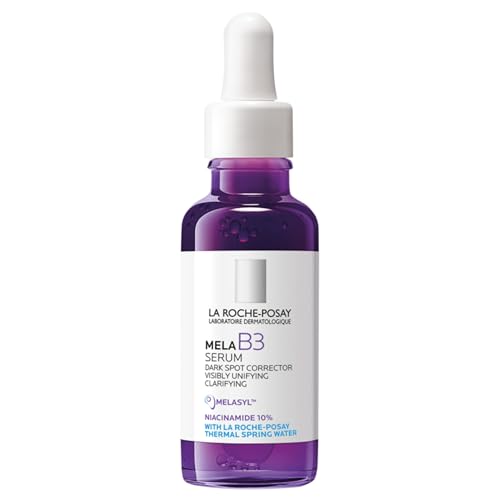
Skin Care for Dark Spots: Expert Guide to Fade Hyperpigmentation
Discover the most effective ingredients, routines, and products to fade dark spots, even out skin tone, and achieve a radiant, clear complexion.
Dark spots, also known as hyperpigmentation, are a common skin concern that can affect anyone regardless of age or skin type. Whether caused by sun exposure, acne scars, hormonal changes, or inflammation, these stubborn patches can make skin look uneven and dull. The good news is that with the right skin care routines and targeted treatments, you can significantly reduce their appearance and prevent new ones from forming. This guide breaks down the science of pigmentation and provides a clear, actionable roadmap to clearer, more even-toned skin.
Understanding Dark Spots & Hyperpigmentation
Dark spots occur when the skin produces excess melanin, the pigment responsible for skin color. This overproduction is triggered by several factors:
- Sun exposure: UV rays stimulate melanocytes, leading to sun spots and age spots.
- Post-inflammatory hyperpigmentation (PIH): Dark marks that appear after acne, burns, or injuries.
- Hormonal changes: Melasma, often triggered by pregnancy or birth control, causes larger patches of pigmentation.
- Skin inflammation: Eczema, psoriasis, or allergic reactions can leave behind dark traces.
Addressing dark spots requires a multi-faceted approach: protection, prevention, and targeted treatment. The most effective strategy combines diligent sunscreen use, potent active ingredients, and consistent care.
Best Ingredients to Fade Dark Spots
Dermatologists agree that certain ingredients are clinically proven to reduce hyperpigmentation. Here are the most powerful ones to look for in your products:
Vitamin C
Antioxidant that brightens, inhibits melanin production, and protects against UV damage.
Niacinamide
Reduces inflammation, fades dark spots, and strengthens the skin barrier.
Retinol
Speeds up cell turnover, fading pigmentation and smoothing texture.
Alpha Arbutin
A gentle, stable derivative of hydroquinone that brightens without irritation.
Azelaic Acid
Targets PIH and melasma, while also calming redness and acne.
Kojic Acid
Derived from fungi, it inhibits tyrosinase to lighten pigmentation.
A Targeted Skincare Routine for Dark Spots
Consistency is key. Follow this daily and weekly routine to maximise your results:
-
1
Gentle Cleanser
Start with a mild, non-stripping cleanser to remove impurities without irritating your skin. Look for gentle cleanser for sensitive skin formulas.
-
2
Vitamin C Serum (AM)
Apply a stable Vitamin C serum in the morning to brighten and protect against free radicals and UV damage.
-
3
Niacinamide or Alpha Arbutin (AM/PM)
Use a serum with niacinamide or alpha arbutin to target pigmentation and strengthen your skin barrier.
-
4
Moisturizer
Hydrate with a non-comedogenic moisturizer suited to your skin type. Healthy skin recovers faster and fades spots more quickly.
-
5
Sunscreen (AM)
Never skip SPF 30 or higher. Sun exposure darkens existing spots and triggers new ones. Reapply every two hours.
-
6
Retinol or Exfoliating Acid (PM, 2-3x/week)
Incorporate a retinol or an exfoliating acid like glycolic or lactic acid to accelerate cell turnover. Start slowly to avoid irritation.
What to Look for in a Dark Spot Corrector
The most effective dark spot treatments combine multiple brightening ingredients and are formulated for your skin type. Here are some features to prioritize:
- Multi-action formula: Contains a blend of proven actives like Vitamin C, niacinamide, and tranexamic acid.
- Stable delivery: Encapsulation or advanced formulations ensure ingredients penetrate effectively.
- Non-comedogenic: Won't clog pores, which is essential if you have acne-prone skin.
- Fragrance-free & gentle: Minimise the risk of irritation, which can worsen hyperpigmentation.
For a deeper dive into specific product types, explore our guides on dark spot remover for face and vitamin C serum for face.
Beyond Products: Lifestyle Habits for Clear Skin
Skincare products are only part of the equation. Your daily habits play a crucial role in preventing and fading dark spots:
- Sun protection: Wear a broad-spectrum SPF 30+ every day, even when it's cloudy. Reapply every two hours if you're outdoors.
- Don't pick! Picking at acne or scabs leads to post-inflammatory hyperpigmentation. Let blemishes heal naturally.
- Stay hydrated: Proper hydration supports skin repair and overall health.
- Manage stress: Chronic stress can trigger inflammation, worsening pigmentation. Incorporate relaxation techniques.
Consistency is the most important factor. With a disciplined routine and patience, you will see visible improvement within 4-8 weeks. For persistent or severe cases, consider consulting a dermatologist for prescription treatments.
Explore More: For a complete approach, check our guides on skin moisturizer for dry skin, face cleanser for oily skin, and anti-wrinkle serum to complement your routine. If you're new to skincare, our getting started page is a great resource.