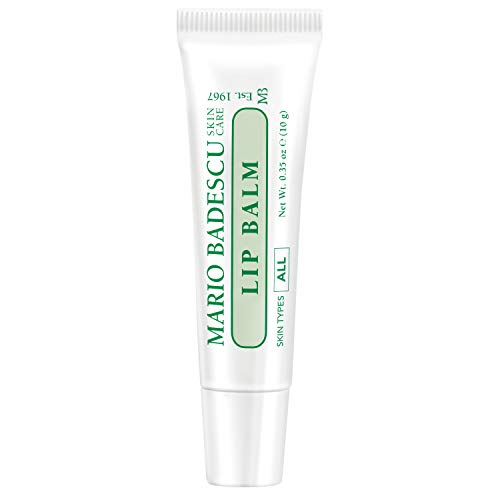
Best Moisturizing Lip Balm for Dry Lips
Expert guide to healing dry, chapped lips with the right ingredients and top-rated products. Discover what truly works for lasting hydration.
Shop Top Lip BalmsWhy Your Lips Need a Moisturizing Lip Balm
Unlike the rest of your skin, your lips lack oil glands and have a very thin protective barrier. This makes them highly susceptible to dryness, cracking, and environmental damage. A moisturizing lip balm is not just a cosmetic product; it's an essential part of daily skincare. Explore our guide to lip balms for cracked lips for more severe cases. The right balm acts as a protective seal, locking in moisture and providing the essential nutrients needed to heal and prevent chapping. Whether you're dealing with seasonal dryness or chronic chapped lips, understanding what makes a lip balm effective is the first step to healthier, softer lips.
Key Ingredients for Moisture
Beeswax
Forms a protective barrier that locks in moisture and shields lips from environmental stressors.
Shea Butter
Rich in vitamins A and E, this deeply nourishes and softens dry, flaky lips.
Lanolin
A powerful emollient that mimics the skin's natural oils, providing intense hydration.
Hyaluronic Acid
A humectant that attracts and retains moisture, plumping lips and reducing dryness.
Vitamin E
An antioxidant that helps repair damaged skin and soothes irritation.
Jojoba Oil
Closely resembles the skin's natural sebum, making it an excellent moisturizer for delicate lip skin.
What Makes a Great Moisturizing Lip Balm?
Not all lip balms are created equal. Here's what to look for when choosing a moisturizing lip balm for dry lips:
- Occlusive Ingredients: Look for waxes (beeswax, candelilla) or oils (castor oil) that create a barrier to prevent water loss.
- Humectants: Ingredients like hyaluronic acid, glycerin, or aloe vera draw moisture into the lips.
- Emollients: Butters (shea, cocoa) and oils (jojoba, coconut) soften and smooth the lip surface.
- No Irritants: Avoid camphor, menthol, eucalyptus, and excessive fragrance, which can dry out lips over time.
- SPF Protection: The lips are vulnerable to sun damage. A balm with SPF 15 or higher is ideal for daytime use.
For a deeper dive into gentle skincare, check out our guide on gentle exfoliators for dry skin – the same principles apply to lip care.
How to Apply Lip Balm for Maximum Hydration
- Exfoliate Gently: Use a soft toothbrush or a sugar scrub to remove dead skin cells once or twice a week. For a natural option, explore our guide on homemade lip balm recipes.
- Apply to Damp Lips: After washing your face or showering, pat your lips dry and apply balm while they're still slightly damp. This seals in the moisture.
- Layer for Intense Treatment: For severely chapped lips, apply a thick layer of balm before bed and let it work overnight.
- Reapply Frequently: Carry your balm with you and reapply throughout the day, especially after eating, drinking, or spending time outdoors.
- Stay Hydrated: Drink plenty of water. External moisturizing works best when your body is hydrated from within. Learn more about skin health diet tips.
Top 5 Benefits of Using a Moisturizing Lip Balm
Prevents water loss and keeps lips hydrated.
Shields against wind, cold, and sun damage.
Soothes and repairs chapped, peeling lips.
Makes lips smooth, soft, and healthy-looking.
Creates a smooth canvas for lipstick or gloss.
Frequently Asked Questions About Moisturizing Lip Balm
Is it bad to use lip balm every day?
No, using a moisturizing lip balm daily is actually beneficial. However, avoid balms with irritating ingredients like menthol or camphor. Opt for nourishing formulas with natural oils and butters.
Can lip balm make dry lips worse?
Some balms contain ingredients that can be drying or irritating. If you find yourself applying more and more, switch to a fragrance-free, hypoallergenic formula with simple, hydrating ingredients.
What's the difference between lip balm and lip oil?
Lip balms typically contain waxes that form a protective barrier, while lip oils are lighter and focus on hydration with oils. For severe dryness, a balm is often more effective at sealing in moisture.
When should I apply lip balm?
Apply lip balm throughout the day, especially before going outside, after meals, and before bed. For best results, always apply to damp lips to lock in moisture.