Best Moisturizer for Very Dry Skin: Your Complete Guide
Discover the most effective moisturizers for very dry skin. Learn about key ingredients, application techniques, and find the perfect product to restore your skin's barrier and comfort.
Struggling with tight, flaky, or irritated skin? Very dry skin isn't just uncomfortable—it's a sign that your skin barrier is compromised. The right moisturizer can transform your skin by locking in hydration, soothing irritation, and restoring a healthy, radiant glow.
Very dry skin requires more than just a basic lotion. It demands a rich, emollient formula packed with humectants to draw water in, emollients to smooth the surface, and occlusives to seal everything in. If you've been dealing with persistent dryness, flakiness, or even cracking, you're not alone. Millions of people struggle to find the good moisturizer for dry skin that actually works.
This guide will walk you through everything you need to know—from understanding the science of dry skin to choosing the best product for your specific needs. We'll cover key ingredients, application tips, and our top recommendations to help you achieve soft, hydrated, and healthy-looking skin.
Understanding Very Dry Skin
Very dry skin is often characterized by a feeling of tightness, rough texture, visible flaking, and sometimes even redness or irritation. This condition occurs when the skin's natural barrier is weakened, allowing moisture to escape and irritants to enter. Common causes include:
- Environmental factors: Cold weather, low humidity, and harsh winds can strip moisture from the skin.
- Harsh skincare products: Soaps, cleansers, and toners with sulfates, alcohol, or fragrances can disrupt the skin barrier.
- Medical conditions: Eczema, psoriasis, and other skin disorders can lead to severe dryness.
- Age: As we age, our skin produces less natural oils, making it more prone to dryness.
- Hot showers or baths: Prolonged exposure to hot water can strip the skin of its natural oils.
If you're dealing with very dry skin, it's important to adjust your entire skin products for dry skin routine to focus on hydration and barrier repair.
Key Ingredients to Look For
Not all moisturizers are created equal. When you have very dry skin, you need a formula that provides intense, long-lasting hydration. Here are the powerhouse ingredients to seek out:
🌊 Hyaluronic Acid
A powerful humectant that holds up to 1000x its weight in water, drawing moisture into the skin.
🧴 Ceramides
Lipids that help restore the skin's natural barrier, preventing moisture loss and protecting against irritants.
🥑 Squalane
A lightweight emollient that mimics the skin's natural oils, providing deep hydration without feeling heavy.
🌿 Shea Butter
Rich in fatty acids and vitamins, this occlusive ingredient soothes and softens even the driest skin.
🧪 Glycerin
A classic humectant that draws moisture from the air into the skin, keeping it plump and hydrated.
💧 Niacinamide
Helps strengthen the skin barrier, improve elasticity, and reduce inflammation associated with dry skin.
For very dry skin, you'll typically want a product that combines all three types of moisturizing ingredients: humectants (like hyaluronic acid and glycerin) to attract water, emollients (like squalane and shea butter) to soften and smooth, and occlusives (like petrolatum or dimethicone) to lock moisture in. A non-comedogenic moisturizer for dry skin is also a good choice if you're prone to breakouts, as it won't clog pores while still providing deep hydration.
How to Apply Moisturizer for Maximum Effectiveness
Even the best moisturizer won't work miracles if it's applied incorrectly. Follow these tips to get the most out of your product:
- Apply on damp skin: Your skin absorbs moisture better when it's still slightly damp from cleansing. Apply your moisturizer within 3 minutes of showering or washing your face.
- Use gentle, upward strokes: Avoid pulling or tugging at your skin. Use light, upward motions to help lift and firm the skin.
- Don't forget your neck and chest: These areas are just as prone to dryness as your face and show signs of aging just as quickly.
- Layer products wisely: For extremely dry skin, consider a hydrating moisturizer for dry skin layered over a hydrating serum or facial oil for an extra boost.
- Be consistent: Apply moisturizer morning and night, every day. Consistency is key to maintaining a healthy skin barrier.
- Seal with an occlusive: For nighttime, consider "slugging"—applying a thin layer of a thick occlusive like petroleum jelly over your moisturizer to lock in hydration while you sleep.
If you have very sensitive skin that reacts to many products, start with a moisturizer for dry sensitive skin that is fragrance-free and hypoallergenic. Patch-test any new product before applying it to your entire face.
Lifestyle Tips for Managing Very Dry Skin
Your skincare routine is just one part of the equation. Here are some lifestyle changes that can help you manage very dry skin more effectively:
- Stay hydrated: Drink plenty of water throughout the day to keep your skin hydrated from the inside out.
- Use a humidifier: Adding moisture to the air in your home, especially in the bedroom while you sleep, can help prevent your skin from drying out.
- Choose gentle cleansers: Switch to a hydrating cleanser for dry skin that won't strip your skin of its natural oils.
- Limit shower time: Keep showers to 10 minutes or less, and use warm—not hot—water.
- Wear protective clothing: In cold or windy weather, cover your face with a scarf or balaclava to protect it from the elements.
- Eat a skin-healthy diet: Incorporate foods rich in omega-3 fatty acids (like salmon and walnuts) and antioxidants (like berries and leafy greens).
For more comprehensive advice on caring for your skin, check out our guide on skin care for aging skin or explore our getting started page for beginners.
Types of Moisturizers for Very Dry Skin
Understanding the different types of moisturizers can help you choose the one that best fits your needs. Here's a breakdown of the most common formats for very dry skin:
Creams
Thick, rich, and highly effective, creams are typically the best choice for very dry skin. They contain a higher oil-to-water ratio than lotions, providing intense hydration and creating a protective barrier on the skin's surface. Look for creams that contain ceramides, shea butter, or squalane. A good night cream for dry skin is often formulated as a cream to provide deep overnight hydration.
Ointments
Ointments are the most occlusive moisturizers, with a very high oil content. They create a thick barrier that prevents water loss and are ideal for severely dry or cracked skin. While they can feel heavy, they are incredibly effective for nighttime use or for treating specific dry patches. However, they're not always suitable for the face as they can feel too greasy.
Oils
Facial oils can be a great addition to a dry skin routine. They provide emollient properties and help lock in moisture. Look for non-comedogenic oils like jojoba, argan, or rosehip oil. You can apply them alone or layer them over your moisturizer for an extra hydration boost. If you're interested in the benefits of facial oils, you might also want to explore vitamin C oil for face which offers antioxidant protection along with hydration.
Gels / Gel-Creams
While gels are typically recommended for oily skin, some gel-creams are designed specifically for dry skin. These are water-based but contain hydrating ingredients like hyaluronic acid and glycerin. They provide lightweight hydration that sinks in quickly, making them a good option for daytime use under makeup.
When choosing a moisturizer, consider the texture and how it feels on your skin. A good moisturizer for dry skin should leave your skin feeling soft and comfortable, not greasy or heavy. If you're unsure which type is right for you, consider a water-based moisturizer for face if you prefer a lighter feel, or a rich cream if your skin is severely dry.
Ingredients to Avoid
Just as important as what to look for is what to avoid. If you have very dry skin, steer clear of products that contain:
- Alcohol (Denatured, SD, or Isopropyl): These can strip the skin of its natural oils and worsen dryness.
- Fragrances and Essential Oils: These are common irritants that can trigger sensitivity and dryness in already compromised skin.
- Harsh Surfactants: Sulfates like SLS and SLES can be too drying. Opt for gentle, sulfate-free cleansers instead.
- Exfoliating Acids in High Concentrations: Over-exfoliating can damage the skin barrier. If you need to exfoliate, choose a gentle formula like a face wash with salicylic acid designed for sensitive skin.
- Retinoids in High Strengths: While retinol is great for anti-aging, it can also be drying. If you're using retinol, start with a low concentration and always follow with a hydrating moisturizer.
If your very dry skin is also sensitive, check out our guide on skin care products for sensitive skin for more tailored recommendations.
Our Top Recommended Moisturizers for Very Dry Skin
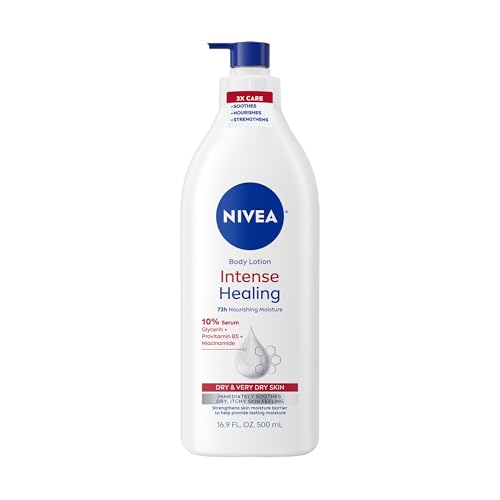
Based on our research and expert analysis, here are some of the best moisturizers for very dry skin available today. These products have been selected for their superior hydrating ingredients, skin-barrier repairing properties, and positive user reviews.
All of the products recommended below are available through our trusted affiliate links. By purchasing through these links, you support our work in providing high-quality, informative content—at no additional cost to you.
When choosing a product, consider your specific needs: if you need intense overnight hydration, look for a rich night cream for dry skin. For daily use, a lightweight but highly moisturizing cream might be more suitable. Remember, the best moisturizer for you is one that makes your skin feel comfortable, hydrated, and healthy.
If you're also concerned about other skin issues like dark spots or wrinkles, you might want to explore specialized treatments such as a dark spot treatment for face or an under eye cream for wrinkles to complement your routine.