Makeup Brush Guide: Types, Uses & How to Choose
Understand every brush in your kit — from foundation and blush to eyeshadow and blending. Learn materials, shapes, and how to build a smarter, more efficient brush collection.
Explore Top-Rated Brushes ↓Why the right brush matters: A good makeup brush is the difference between a streaky finish and a seamless one. The right shape, density, and fiber type can make application faster, more even, and more comfortable — while the wrong brush can waste product and irritate skin. This guide explains each brush type so you can choose with confidence.
The Core Brush Categories
Foundation Brush
Usually flat, dense, and slightly tapered. Best for liquid and cream formulas. A dense synthetic brush buffs product into the skin for a smooth, even base.
Powder Brush
Large, fluffy, and soft. Designed to distribute loose or pressed powder lightly across the face for a soft-focus finish without disturbing foundation.
Blush Brush
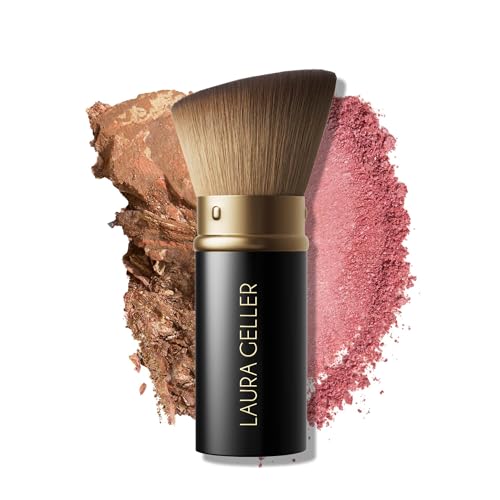
Angled or rounded with medium density. A softer brush places blush precisely on the cheekbones while blending the edges naturally.
Eyeshadow Brush
Flat shader brushes pack color onto the lid; fluffy blending brushes soften edges. Having both is essential for a clean, professional eye look.
Concealer Brush
Small, flat, and precise. Ideal for spot-concealing blemishes or under-eye areas. A synthetic fiber works best with cream and liquid concealers.
Contour & Highlight Brush
Angled and tapered to sculpt the face. A firmer brush places contour precisely; a softer fan brush diffuses highlighter for a natural glow.
Natural vs Synthetic Fibers
Natural hair brushes (goat, squirrel, sable) are traditionally favored for powder products because they pick up and diffuse pigment softly. They can feel luxurious but require more careful cleaning and are not vegan-friendly.
Synthetic brushes (taklon, nylon) are ideal for creams and liquids because they don't absorb product. They're easier to clean, more durable, and cruelty-free. Modern synthetics can mimic the softness of natural hair, making them a strong all-round choice.
If you prefer a vegan or cruelty-free routine, synthetic brushes are the way to go. Pair them with a well-chosen makeup primer for a smoother base, and consider a pore minimizer primer on oily areas.
How to Choose the Right Brush
- Match the brush to the product: Dense synthetic for liquid foundation, fluffy natural or synthetic for powder, small flat for concealer.
- Check density: Denser brushes give more coverage; looser brushes give a sheerer, more diffused finish.
- Consider handle length: Longer handles give control for face brushes; shorter handles give precision for eye brushes.
- Look for soft, cruelty-free bristles: Test on the back of your hand — a good brush should feel gentle, not scratchy.
- Start with essentials: A foundation brush, powder brush, blush brush, and two eye brushes cover most daily looks.
- Build gradually: Add specialty brushes only when you have a specific technique in mind.
For makeup artists or advanced users, a makeup artist tools guide can help you expand into professional-grade shapes. If you're building a beginner kit, see our everyday makeup tutorial and makeup that looks natural guides for brush-by-brush routines.
Quality Tiers at a Glance
Makeup brushes differ mainly by fiber quality, density, and construction. Here is how they typically compare by tier — descriptors are relative and reflect market positioning.
| Tier | Typical Characteristics | Best For |
|---|---|---|
| Entry-level | Basic synthetic fibers, simple handles, adequate density | Beginners, travel kits, trying new shapes |
| Mid-range | Softer fibers, better density, reinforced ferrules, balanced weight | Daily use, most skin types, building a core kit |
| Premium | Refined fiber blends, precise shapes, durable construction, comfortable handles | Enthusiasts, sensitive skin, consistent long-term use |
| Luxury | Luxury fiber blends, hand-crafted shapes, elegant finishes, refined performance | Professional use, collectors, gifting |
Brush Care & Cleaning
- Clean weekly: Use a gentle brush cleanser or mild soap and lukewarm water.
- Avoid soaking ferrules: Water can loosen the glue; keep the ferrule dry.
- Reshape and air-dry: Lay brushes flat with bristles over the edge of a counter.
- Deep clean monthly: A gentle shampoo or vinegar rinse helps remove buildup.
- Replace when needed: When bristles shed heavily or lose shape, it's time to replace.
For a complete routine, pair your brushes with a gentle skin care routine and consider a double cleansing step at night to remove makeup thoroughly. If you have sensitive skin, softer synthetic brushes are usually the safer choice.
Related Reading
Explore more guides to build a well-rounded kit:
- Skin care — the foundation of any makeup routine.
- Skincare routine guide — step-by-step daily care.
- Serum and hyaluronic acid serum — prep your skin before makeup.
- Moisturizer and good moisturizer for combination skin — balance your base.
- Non-comedogenic concealer — pair with a precise concealer brush.
- Oily skin care — manage shine under makeup.
- Eye makeup for sensitive eyes — gentle eye brushes.
- Eyelash primer and volume lashes — pair with eye brushes.
- Healthy living tips — skin health from the inside out.
Frequently Asked Questions
How many makeup brushes do I really need?
For everyday use, five brushes cover most looks: foundation, powder, blush, a flat eyeshadow shader, and a fluffy blending brush. Add concealer and contour brushes as your routine expands.
Are synthetic brushes better than natural hair?
Not universally better — but for creams and liquids, synthetic is generally superior because it doesn't absorb product. For powders, natural hair can feel softer and diffuse pigment more gently.
How often should I clean my brushes?
Weekly for face brushes used with liquid or cream, and more frequently for eye brushes or during breakouts. Deep clean monthly to keep bristles soft and hygienic.
Can I use one brush for multiple products?
It's possible, but not ideal — mixing powder and cream on the same brush can affect performance. Keep at least one brush per product category for the cleanest result.
Do expensive brushes always perform better?
Not automatically. A well-made mid-range brush often performs as well as premium options. Focus on fiber softness, density, and ferrule quality rather than tier alone.
Ready to Upgrade Your Brush Kit?
Browse our curated selection of top-rated makeup brushes below. Each pick is chosen for softness, density, and long-term durability across daily routines.
See Recommended Brushes ↓