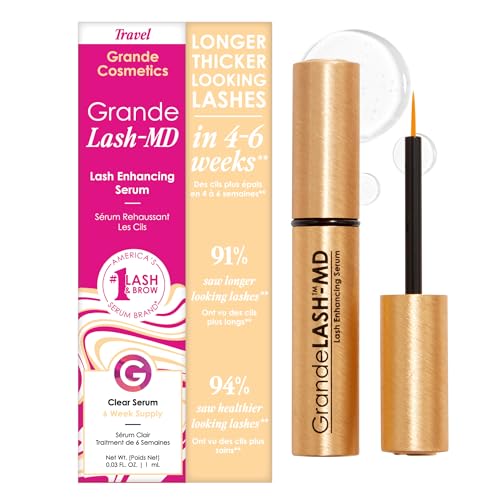
Lash Serum for Eyelash Growth: A Complete Guide
Everything you need to know about lash serums — how they work, what ingredients to look for, realistic results, and how to choose the right formula for longer, fuller lashes.
What Is a Lash Serum?
A lash serum is a topical treatment applied along the upper lash line to support the appearance of longer, thicker, and healthier-looking eyelashes. Unlike mascara, which provides temporary cosmetic volume and length, a lash serum works with your natural lash growth cycle over weeks and months. Most formulas are applied once daily, usually at night, using a fine brush or applicator similar to a liquid eyeliner pen.
Lash serums have grown increasingly popular as consumers look for alternatives to extensions, falsies, and frequent lash lifts. They are part of a broader trend toward at-home beauty treatments that support natural features rather than masking them. If you are exploring other lash-enhancing options, our guides to lash lift and Korean lash lift explain how perming treatments compare with serum-based growth support.
It is important to understand that lash serums are cosmetic products, not medical treatments. While some formulations contain ingredients that have been studied for their effect on hair growth, results vary widely between individuals and depend on consistency of use, the formula itself, and your natural lash cycle.
How Lash Serums Work
Eyelashes grow in a cycle with three main phases: the anagen (growth) phase, the catagen (transition) phase, and the telogen (resting) phase. At any given time, different lashes are in different phases, which is why lashes naturally shed and regrow continuously. A lash serum aims to support this cycle by nourishing the lash follicle and, depending on the formula, extending the growth phase or reducing breakage.
There are three broad mechanisms by which lash serums work:
- Conditioning and strengthening: Ingredients like peptides, biotin, panthenol, and botanical extracts help condition the lash hairs, reducing brittleness and breakage so lashes can reach their natural maximum length.
- Follicle support: Certain peptides and vitamins are believed to support the health of the lash follicle itself, creating a better environment for new lash growth.
- Prostaglandin analogs: Some serums contain synthetic prostaglandin analogs (such as isopropyl cloprostenate or bimatoprost), which are associated with increased lash length, thickness, and darkness. These are the most effective but also carry a higher risk of side effects and are regulated differently depending on your region.
Because the eyelash growth cycle is slow, no lash serum can produce overnight results. Understanding this timeline is the key to setting realistic expectations and avoiding disappointment. For a broader look at serum-based skincare treatments, see our guide to lash serum and lash serum for thicker lashes.
Key Ingredients to Look For
The effectiveness of a lash serum depends largely on its ingredient list. Below is a breakdown of the most common and well-regarded ingredients, along with what they are generally used for.
| Ingredient | Primary Role | Notes |
|---|---|---|
| Peptides (e.g., myristoyl pentapeptide-17, biotinoyl tripeptide-1) | Conditioning and follicle support | Gentle, widely used in mid-range and premium serums; good for sensitive eyes |
| Biotin and panthenol (pro-vitamin B5) | Strengthening and conditioning | Helps reduce brittleness and breakage; common in entry-level formulas |
| Prostaglandin analogs (e.g., isopropyl cloprostenate, bimatoprost) | Lengthening, thickening, darkening | Most effective but higher risk of irritation and pigmentation changes; may require medical guidance |
| Hyaluronic acid and glycerin | Hydration | Keeps the lash line and hairs conditioned; supports a healthy appearance |
| Botanical extracts (e.g., ginseng, green tea, aloe) | Soothing and antioxidant support | Common in natural and organic-leaning serums |
| Amino acids and vitamins | Nourishment | Support overall lash health; often combined with peptides |
When evaluating a serum, look for a formula that matches your sensitivity level and goals. Peptide-based serums are generally the safest starting point for most people, while prostaglandin-based formulas should be approached with more caution and, ideally, professional advice. If you are also exploring other lash enhancement methods, our articles on lash serum for lash extensions and lash growth serum provide additional context on how serums interact with other treatments.
Types of Lash Serums
Lash serums can be grouped into three broad tiers based on formulation approach and positioning. The descriptors below reflect relative market positioning and ingredient sophistication, not specific prices.
- Entry-level / budget-friendly: Typically conditioning-focused formulas built around biotin, panthenol, and basic botanical extracts. These are a reasonable starting point for people new to lash serums who want to test tolerance before investing in a more advanced formula.
- Mid-range / mid-tier: Usually peptide-based formulas with a more sophisticated blend of conditioning agents, sometimes including hyaluronic acid and multiple peptides. These offer a good balance of efficacy and gentleness for most users.
- Premium / high-end: Often combine advanced peptide complexes, botanical actives, and sometimes prostaglandin analogs. These formulas may offer more noticeable results but also warrant more careful evaluation of ingredients and potential side effects.
Within each tier, you will also find differences in applicator design (brush-tip versus pen-style), fragrance content, and whether the formula is ophthalmologist-tested. For those who prioritize cleaner formulations, our clean beauty guide and vegan skincare resources can help you assess ingredient lists more confidently.
What Results to Expect and When
Lash serums require patience. Because eyelashes grow slowly and cycle through phases, most users need consistent daily application for at least 8 to 12 weeks before noticing visible changes. Full results are typically observed after 12 to 16 weeks of regular use.
A realistic timeline looks like this:
- Weeks 1–4: Little to no visible change. You may notice lashes feel slightly more conditioned or appear less brittle.
- Weeks 4–8: Early signs of improvement may appear, such as fewer lash fallouts or a slightly fuller lash line.
- Weeks 8–12: Most users begin to see noticeable lengthening or thickening, depending on the formula.
- Weeks 12–16: Full results are typically visible; lashes appear longer, denser, and sometimes darker.
It is important to note that results are not permanent. If you stop using the serum, your lashes will gradually return to their natural state over several weeks to months. Consistency is therefore essential for maintaining results. If you are considering combining serum use with other lash treatments, our guide to lash lift and lash tint explains how these services complement serum-based care.
Editor's note: No lash serum works overnight, and claims of dramatic results within days should be treated with skepticism. Look for brands that publish realistic timelines and ingredient transparency.
How to Apply Lash Serum Correctly
Proper application maximizes results and minimizes the risk of irritation. Follow these steps for best results:
- Start with a clean, dry lash line. Remove makeup and skincare products, especially oils, which can interfere with absorption. A gentle cleanser such as a hydrating cleanser for dry skin works well for sensitive areas.
- Apply once daily, usually at night. Evening application aligns with the skin's natural repair cycle and reduces the chance of the serum mixing with makeup.
- Use a thin line along the upper lash line only. Draw a single stroke along the base of the upper lashes, similar to applying liquid eyeliner. Do not apply to the lower lash line unless the product specifically instructs it.
- Do not over-apply. More product does not mean faster results. Excess serum can migrate into the eyes and cause irritation.
- Let it dry completely. Wait a few minutes before applying other skincare products or going to bed to avoid transfer.
- Be consistent. Daily use is the single most important factor in seeing results.
If you wear contact lenses, insert them before applying the serum or wait until the serum has fully dried. If you use lash extensions, check our guide to lash serum for lash extensions for specific application tips.
Safety, Side Effects, and Precautions
Most lash serums are well tolerated, but side effects can occur, especially with prostaglandin-based formulas. Common side effects include:
- Mild redness, itching, or stinging along the lash line
- Dryness or flaking of the eyelid skin
- Darkening of the eyelid skin (more common with prostaglandin analogs)
- Increased iris pigmentation (rare, associated with prostaglandin analogs)
- Irritation of the eyes or conjunctiva
To reduce risk, always patch-test a new serum on a small area of skin before applying it to the lash line. If you have a history of eye conditions, allergies, or sensitive skin, consult a dermatologist or ophthalmologist before starting a lash serum. If you experience persistent irritation, discontinue use immediately. For general guidance on sensitive-eye products, see our article on hypoallergenic makeup for sensitive eyes.
Also be aware that prostaglandin analogs are regulated differently across countries and may not be available over the counter everywhere. Always purchase from reputable retailers and check the ingredient list carefully. If you are looking for gentler alternatives, our guide to lash serum for eyelash growth and lash serum can help you compare options.
How to Choose the Right Lash Serum
With so many options available, narrowing down the right serum comes down to a few key factors:
- Sensitivity level: If you have sensitive eyes or skin, start with a peptide-based, fragrance-free formula. Avoid prostaglandin analogs unless recommended by a professional.
- Goals: If you want conditioning and breakage reduction, an entry-level or mid-range peptide serum may be sufficient. If you are seeking more dramatic lengthening, a premium formula with prostaglandin analogs may be more appropriate, but weigh the risks carefully.
- Ingredient transparency: Choose brands that list full ingredients and provide clear usage instructions.
- Testing and certification: Ophthalmologist-tested and dermatologist-tested claims are useful signals, though not guarantees.
- Applicator design: Fine brush-tip applicators tend to offer more precise application than pen-style applicators.
For those who prefer clean or vegan formulations, our non-toxic skincare and cruelty-free beauty guides can help you filter options. If you are also interested in related lash treatments, our articles on lash lift and tint before and after and how long do tinted lashes last provide useful context on what to expect.