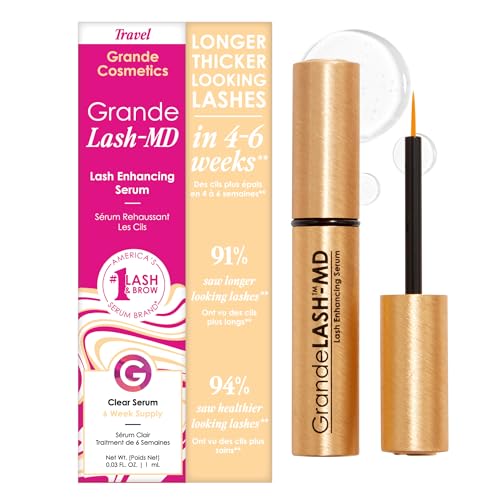
Lash Serum for Thicker Lashes: Your Complete Guide
Everything you need to know about choosing, using, and getting real results from lash serums — from ingredients and safety to application techniques and realistic timelines.
What Is a Lash Serum?
A lash serum is a specially formulated liquid applied along the upper lash line to support the health, strength, and appearance of your natural eyelashes. Unlike mascara, which coats lashes for a temporary effect, lash serums are leave-on treatments designed to condition the lash follicles and improve the look of thickness and length over time.
The category has grown rapidly, with formulas ranging from gentle peptide-based conditioners to prescription-strength prostaglandin analogs. If you are exploring the broader world of eyelash treatments, our guide to lash serums provides a helpful foundation before diving into the specifics of thickening formulas.
Most over-the-counter serums focus on hydration, conditioning, and supporting the natural growth cycle. They are typically applied once daily, usually at night, using a fine-tipped brush or applicator. Consistency is essential — sporadic use rarely produces noticeable results.
Key point: Lash serums are cosmetic treatments, not magic wands. They support your lashes' natural growth cycle rather than instantly adding new hairs. Realistic expectations and daily consistency are the foundation of success.
How Lash Serums Work
To understand how lash serums work, it helps to know the basics of the lash growth cycle. Eyelashes grow in three phases: the anagen (growth) phase, the catagen (transition) phase, and the telogen (resting) phase. Each lash follows this cycle independently, which is why you naturally shed a few lashes daily.
Lash serums interact with this cycle in different ways depending on their formulation:
- Peptide-based serums supply amino acids and signal peptides that support keratin production, helping lashes appear stronger and more conditioned.
- Hydrating serums use ingredients like hyaluronic acid and panthenol to moisturize the lash line and reduce brittleness.
- Prostaglandin analogs (prescription-only) extend the anagen phase, allowing lashes to grow longer before shedding. These are clinically effective but carry more significant risks.
- Botanical serums rely on plant extracts such as ginseng, green tea, and biotin to nourish the follicle and support overall lash health.
For a deeper look at how these formulas compare, our article on lash serum for eyelash growth breaks down the science behind each category.
Key Ingredients to Look For
The effectiveness of a lash serum comes down to its ingredient list. Here are the most well-researched and commonly used ingredients in thickening lash serums:
Peptides
Peptides such as Myristoyl Pentapeptide-17 and Biotinoyl Tripeptide-1 are among the most popular ingredients in cosmetic lash serums. They support keratin production and help lashes appear denser and more resilient. These are generally well-tolerated and suitable for most users.
Biotin
Biotin (vitamin B7) is often included in lash serums for its role in supporting keratin infrastructure. While topical biotin's direct effect on lash growth is still being studied, it is widely used as a conditioning ingredient in both serums and supplements.
Panthenol (Pro-Vitamin B5)
Panthenol is a humectant that attracts moisture to the lash line, reducing brittleness and breakage. It is a common ingredient in both entry-level and premium serums and is generally very gentle.
Hyaluronic Acid
This moisture-binding ingredient helps keep the lash line hydrated and pliable. It is especially useful for users with dry skin around the eyes or those who wear contact lenses.
Amino Acids
Amino acids like arginine, serine, and proline are building blocks of keratin. Serums that include a blend of amino acids aim to supply the follicle with the raw materials needed for healthy lash growth.
Botanical Extracts
Ginseng, green tea, chamomile, and aloe vera are frequently used for their soothing and antioxidant properties. These ingredients are particularly appealing to users looking for a more natural approach to lash care.
Ingredient tip: If you have sensitive eyes or wear contact lenses, prioritize serums that are fragrance-free, alcohol-free, and ophthalmologist-tested. Our guide to hypoallergenic makeup for sensitive eyes offers additional tips for choosing eye-safe products.
Types of Lash Serums
Lash serums fall into several categories, each with distinct benefits and considerations. Understanding these categories will help you match a serum to your needs and tolerance level.
| Type | Key Ingredients | Best For | Market Tier |
|---|---|---|---|
| Peptide-based | Myristoyl Pentapeptide-17, Biotinoyl Tripeptide-1 | Most users; those seeking gentle conditioning and thickness support | Mid-range |
| Hydrating / Conditioning | Hyaluronic acid, panthenol, glycerin | Dry lash lines, brittle lashes, contact lens wearers | Entry-level |
| Botanical / Natural | Ginseng, green tea, aloe vera, biotin | Users preferring plant-based formulas; sensitive eyes | Mid-range |
| Prostaglandin analogs | Bimatoprost (prescription) | Users seeking clinically proven growth under medical supervision | Premium (Rx) |
| Luxury / Multi-action | Peptides + botanicals + vitamins | Users wanting a comprehensive, premium formula | Luxury |
If you are considering a serum specifically for use alongside eyelash extensions, our guide to lash serum for lash extensions explains which formulas are compatible with adhesive bonds and which should be avoided.
How to Choose the Right Lash Serum
With so many options available, narrowing down the right serum can feel overwhelming. Use the following criteria to guide your decision:
1. Identify Your Primary Goal
Are you looking to condition and strengthen existing lashes, or are you seeking maximum length and density? Peptide and hydrating serums are ideal for conditioning and subtle improvement. Prescription prostaglandin analogs are the strongest option for dramatic growth but require medical oversight.
2. Check the Ingredient List
Avoid ingredients you know you are sensitive to. If you have had reactions to eye makeup in the past, start with a fragrance-free, alcohol-free formula and patch test before full application.
3. Consider Your Eye Sensitivity
Contact lens wearers and people with sensitive eyes should prioritize ophthalmologist-tested formulas. Our article on Korean lash lift treatments also discusses gentle approaches to lash enhancement for sensitive eyes.
4. Evaluate the Applicator
Fine-tipped brushes allow precise application along the lash line without wasting product. Some serums use a sponge-tip applicator, which can be more forgiving for beginners but may absorb more product.
5. Match the Market Tier to Your Priorities
Entry-level serums typically focus on hydration and basic conditioning. Mid-range formulas often include peptides and a broader ingredient blend. Premium and luxury serums may offer multi-action formulas, premium applicators, and additional botanical complexes. Choose the tier that aligns with your goals and how much you are willing to invest in a daily treatment.
✔ Benefits of Daily Lash Serum Use
- Conditions and strengthens lashes
- Reduces brittleness and breakage
- Supports the natural growth cycle
- Non-invasive and quick to apply
- Compatible with mascara and extensions (formula-dependent)
✘ Considerations
- Results take weeks to months
- Requires daily consistency
- Some formulas can cause irritation
- Prescription options carry more risks
- Results vary by individual
Step-by-Step Application Guide
Proper application maximizes results and minimizes the risk of irritation. Follow these steps for best results:
- Cleanse and dry your face. Start with a clean, dry eye area. Remove all makeup and skincare products from the lash line using a gentle cleanser. Our guide to makeup remover for waterproof makeup can help you choose a remover that won't irritate the eyes.
- Wait for skincare to absorb. If you use eye creams or serums, apply them first and allow them to absorb fully before applying lash serum. This prevents product mixing and ensures the lash serum contacts the lash line directly.
- Apply a thin line along the upper lash line. Using the applicator, draw a thin line along the base of your upper eyelashes, starting from the inner corner and moving outward. Do not apply to the lower lash line unless the product specifically instructs otherwise.
- Use a single stroke per eye. One pass is usually sufficient. More product does not equal faster results and can increase irritation risk.
- Allow to dry completely. Avoid blinking excessively or applying other eye products for 1–2 minutes after application.
- Apply once daily. Most serums are designed for nightly use. Consistency is more important than frequency — do not apply more than directed.
- Store properly. Keep the serum in a cool, dry place and replace it according to the manufacturer's instructions to avoid bacterial contamination.
Pro tip: If you wear eyelash extensions, wait until they are fully set before applying lash serum, and choose a water-based formula to avoid weakening the adhesive. For more on maintaining extensions, see our guide to lash remover for lash extensions.
Timeline & Realistic Results
One of the most common reasons people abandon lash serums is unrealistic expectations. Lash growth is a slow process, and results emerge gradually. Here is what you can generally expect:
- Weeks 1–4: Little to no visible change. Lashes may feel slightly more conditioned or less brittle. This is the adjustment period.
- Weeks 4–8: Early signs of improvement may appear, such as fewer lash fallouts or a subtle increase in thickness. Results vary widely at this stage.
- Weeks 8–12: Most users begin to notice visibly thicker, denser lashes. This is typically when the growth cycle has had enough time to respond to the serum.
- Weeks 12+: Continued use maintains and may further improve results. Consistency is key — stopping the serum often leads to a gradual return to baseline.
For a detailed breakdown of what to expect from different types of lash treatments, our article on how long do tinted lashes last provides useful context on the durability of various lash enhancement methods.
Safety & Side Effects
Lash serums are generally safe for most users when used as directed, but it is important to be aware of potential side effects and take appropriate precautions.
Common Side Effects
- Mild redness or itching along the lash line, especially during the first few weeks
- Temporary dryness or flaking around the eyes
- Sensitivity to the applicator or formula
More Serious Concerns
- Prostaglandin analogs: Can cause iris discoloration (permanent), eyelid skin darkening, and orbital fat changes. These require a prescription and regular medical supervision.
- Allergic reactions: If you experience swelling, severe redness, or pain, discontinue use immediately and consult a healthcare professional.
- Contamination: Never share lash serum applicators, and do not use a product past its expiration date.
If you have a history of eye infections, dry eye syndrome, or other eye conditions, consult an eye care professional before starting any lash serum. Pregnant and breastfeeding individuals should also seek medical advice before using prostaglandin-based products.
Important: Always patch test a new lash serum on a small area of skin before full application. If you experience irritation, discontinue use and consult a dermatologist or ophthalmologist. Our full disclaimer provides additional information about the scope of our content.
Lash Serum vs. Other Lash Treatments
Lash serums are just one option among many for enhancing your lashes. Here is how they compare to other popular treatments:
| Treatment | How It Works | Duration | Best For |
|---|---|---|---|
| Lash serum | Conditions and supports natural growth cycle | Ongoing daily use | Natural enhancement, lash health |
| Lash extensions | Individual synthetic lashes bonded to natural lashes | 4–6 weeks (with touch-ups) | Immediate volume and length |
| Lash lift | Chemical process that curls and lifts natural lashes | 6–8 weeks | Natural curl without extensions |
| Lash lift and tint | Combines lift with semi-permanent dye | 6–8 weeks | Dark, curled lashes without mascara |
| Mascara | Temporary coating that adds volume and length | Daily wear | Instant cosmetic effect |
Many users combine lash serum with lash lifts or extensions to support the health of their natural lashes underneath. If you are considering extensions, our guide to lash extensions that look natural can help you choose a style that complements your features.
Frequently Asked Questions
How long does it take for lash serum to work?
Most lash serums require consistent daily use for 8 to 12 weeks before visible results appear. The lash growth cycle is slow, so patience and consistency are essential. Some users notice subtle changes around week 4, but full results typically emerge after 12 weeks of regular application.
Are lash serums safe for sensitive eyes?
Safety depends on the formula. Prostaglandin-based serums are prescription-strength and can cause side effects like irritation or iris discoloration. Peptide-based and botanical serums are generally gentler and better suited for sensitive eyes, but patch testing is always recommended before full application.
Can I use lash serum with lash extensions?
Yes, but with caution. Water-based, peptide serums are usually compatible with extensions because they strengthen natural lashes without weakening the adhesive bond. Avoid oil-based formulas, which can break down extension glue. Always wait until extensions are fully set before applying serum.
What ingredients should I look for in a lash serum?
Look for peptides like Myristoyl Pentapeptide-17 and Biotinoyl Tripeptide-1, which support keratin production. Panthenol, hyaluronic acid, and amino acids help condition and hydrate lashes. Biotin and botanical extracts like ginseng or green tea can also support lash health. Avoid formulas with harsh alcohols or known irritants if you have sensitive eyes.
Do lash serums really work?
Yes, but results vary by formula and individual. Peptide-based serums condition lashes and may improve the appearance of thickness and length over time. Prostaglandin analogs are clinically proven to grow lashes but require a prescription and carry more risks. Realistic expectations and consistent use are key to seeing results.
Ready to Find Your Ideal Lash Serum?
Explore our curated selection of top-rated lash serums for thicker, healthier-looking lashes. Every product in our list is chosen for quality, safety, and real-world results.
View Recommended Products ↓