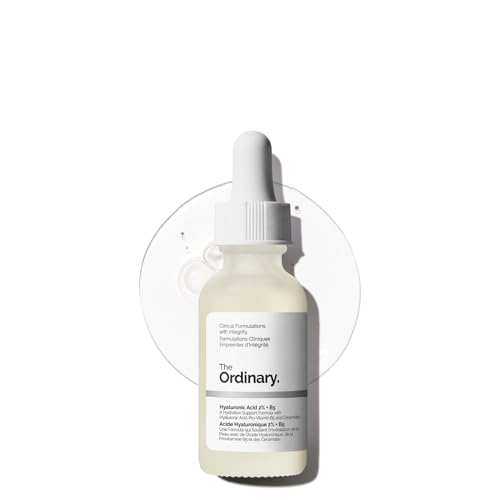
If you have dry skin, you know the struggle: tightness, flakiness, and that dull, lackluster appearance no matter how much moisturizer you apply. The secret to transforming dry skin lies in adding a hydrating serum for dry skin to your daily routine. Unlike heavy creams that sit on the surface, a hydrating serum delivers potent active ingredients deep into the epidermis, attracting and locking in moisture where your skin needs it most.
In this comprehensive guide, we'll walk you through everything you need to know—from understanding why dry skin craves hydration to choosing the perfect serum with the right ingredients. By the end, you'll be confident in selecting a product that genuinely works for you.
Why Dry Skin Needs a Hydrating Serum
Dry skin is characterized by a compromised skin barrier that struggles to retain moisture. Environmental factors, aging, harsh cleansers, and even genetics can deplete your skin's natural oils and hyaluronic acid levels. A well-formulated skin care products for hydration serum acts like a drink of water for your parched complexion.
Here's why a serum is a game-changer:
- Higher Concentration: Serums contain a higher percentage of active ingredients compared to moisturizers.
- Lightweight Texture: They penetrate deeper without clogging pores, making them ideal for layering.
- Targeted Action: They address specific concerns like dehydration, fine lines, and dullness directly at the cellular level.
When paired with a good moisturizer, a hydrating serum creates a moisture reservoir that keeps your skin supple and glowing all day. For a complete routine, consider exploring our guide on skin care products for dry skin.
Key Ingredients to Look For
Not all serums are created equal. To combat dry skin effectively, look for these scientifically-backed ingredients:
Hyaluronic Acid
A moisture magnet that can hold up to 1000 times its weight in water, plumping the skin and reducing fine lines.
Glycerin
A classic humectant that draws moisture from the air into the skin, keeping it hydrated and soft.
Ceramides
Lipids that restore the skin barrier, preventing moisture loss and protecting against environmental damage.
Niacinamide (Vitamin B3)
Strengthens the barrier, improves texture, and reduces redness—perfect for sensitive dry skin.
Squalane
A lightweight, non-comedogenic oil that mimics the skin's natural sebum, delivering intense hydration.
Vitamin C
An antioxidant that brightens and hydrates while protecting against free radical damage. Check our guide on vitamin C serum for skin brightening.
For a deeper dive into beneficial ingredients, explore our article on the top skin care products that dermatologists recommend.
How to Choose the Right Hydrating Serum for Dry Skin
Choosing the right serum can feel overwhelming with so many options available. Here's a step-by-step approach to finding your perfect match:
- Identify Your Skin's Needs: Is your skin simply dehydrated, or does it also show signs of aging, redness, or sensitivity? This will guide your ingredient choices.
- Check the Formula: Look for serums with a combination of humectants (like hyaluronic acid and glycerin) and barrier-repairing ingredients (like ceramides and squalane).
- Consider the Texture: For dry skin, a slightly richer serum with a viscous texture often provides more hydration. However, if you prefer a lighter feel, look for gel-serum hybrids.
- Patch Test: Always patch-test a new serum on a small area of skin to rule out any irritation.
- Read Reviews: See what other users with dry skin have to say. Their experiences can provide valuable insights.
If you're also dealing with dark spots or uneven tone, consider a serum that combines hydration with brightening, like a dark spot correcting glow serum.
How to Apply Hydrating Serum for Maximum Results
Applying your serum correctly can make a world of difference. Follow these simple steps for optimal absorption and effectiveness:
- Cleanse: Start with a gentle, non-stripping cleanser to prepare your skin.
- Tone (Optional): A hydrating toner can prime your skin, allowing the serum to absorb better. Consider a face toner for dry skin.
- Apply on Damp Skin: Serums absorb better on slightly damp skin. You can mist your face with water before applying.
- Use the Right Amount: Typically, 2–3 drops are enough for your face and neck.
- Gently Pat: Warm the serum between your fingers and gently pat it into your skin using upward motions. Avoid rubbing.
- Wait and Layer: Allow the serum to absorb for a minute before applying your moisturizer to seal everything in.
- Follow with SPF: In the morning, always finish with sunscreen to protect your newly hydrated skin. Check out our skin care products for glowing skin for more tips.
For sensitive dry skin, a face serum for dry skin with soothing ingredients like aloe vera or oat extract can be particularly beneficial.
Top Hydrating Serums for Dry Skin
Here's a quick comparison of some highly-rated serums that are excellent choices for dry skin:
| Product | Key Ingredients | Texture | Best For |
|---|---|---|---|
| Serum A | Hyaluronic Acid, Vitamin B5 | Lightweight gel | Dehydrated, sensitive skin |
| Serum B | Ceramides, Squalane | Rich, creamy | Very dry, mature skin |
| Serum C | Niacinamide, Hyaluronic Acid | Silky serum | Dry, textured skin |
| Serum D | Vitamin C, Ferulic Acid | Lightweight oil | Dull, dry skin needing brightening |
| Serum E | Glycerin, Panthenol | Watery serum | All dry skin types |
You can also explore our curated list of skin care products for oily skin if you have combination skin concerns.
Expert Tips for Managing Dry Skin
Beyond using a hydrating serum, these expert-backed habits can help you maintain healthy, moisturized skin:
- Use Lukewarm Water: Hot water can strip your skin of natural oils. Opt for lukewarm water when washing your face.
- Humidify Your Space: Using a humidifier, especially during winter, can prevent moisture from evaporating from your skin.
- Layer Wisely: Apply products from thinnest to thickest consistency for maximum absorption.
- Don't Over-Exfoliate: Limit exfoliation to 1–2 times a week to avoid irritation.
- Hydrate from Within: Drink plenty of water and eat water-rich foods to support your skin's hydration from the inside out.
For a holistic approach, explore our beauty sleep guide to understand how rest affects your skin's health.
Conclusion: Your Path to Radiant, Hydrated Skin
Finding the right hydrating serum for dry skin is a transformative step in your skincare journey. By understanding your skin's needs and choosing products with the right ingredients, you can say goodbye to tightness and flakiness and hello to a plump, dewy complexion.
Remember, consistency is key. Use your serum daily, apply it correctly, and pair it with a supportive routine for the best results. Ready to take the next step? Explore our getting started guide for more skincare advice.
If you have any questions or need further guidance, feel free to contact us—we're here to help you on your beauty journey.