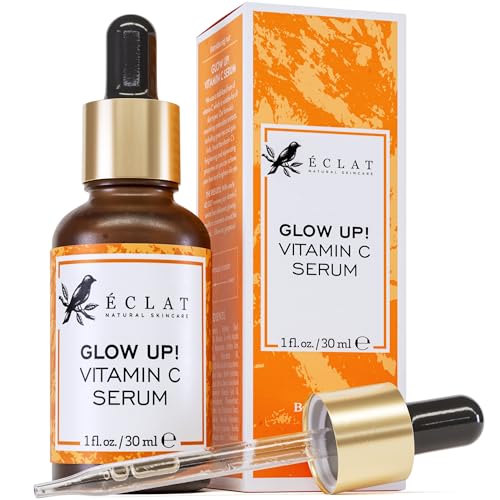
Vitamin C serum has become a cornerstone of modern skincare — and for good reason. This powerful antioxidant is clinically proven to brighten skin, reduce dark spots, and promote a radiant, even complexion. Whether you're dealing with sun damage, post-acne marks, or simply want to restore your skin's natural glow, a high-quality vitamin C serum can be a game-changer.
But with hundreds of options on the market, how do you choose the right one? This guide breaks down everything you need to know about vitamin C for skin brightening: how it works, which form is most effective, what percentage to look for, and our top recommended products to help you get started on your brightening journey.
How Does Vitamin C Brighten Skin?
Vitamin C (ascorbic acid) is a potent antioxidant that works on multiple levels to improve skin brightness:
- Inhibits melanin production: It blocks the enzyme tyrosinase, which is responsible for melanin synthesis, helping to prevent and fade dark spots.
- Neutralizes free radicals: Environmental stressors like UV rays and pollution generate free radicals that dull the skin. Vitamin C neutralizes these, preventing oxidative damage.
- Boosts collagen production: By stimulating collagen synthesis, vitamin C improves skin texture and elasticity, giving the skin a plumper, healthier appearance.
- Enhances sunscreen efficacy: When used with sunscreen, vitamin C provides an additional layer of protection against UV damage, which is crucial for maintaining bright, even skin.
💡 Key Insight: For optimal brightening, look for a vitamin C serum with L-ascorbic acid — the most bioavailable form — at a concentration of 10–20%, combined with vitamin E and ferulic acid to boost stability and efficacy.
Types of Vitamin C & What to Look For
Not all vitamin C serums are created equal. The effectiveness depends on the derivative used, concentration, pH level, and formulation stability.
✅ Best Derivatives for Brightening
- L-Ascorbic Acid — Most potent, clinically proven. Ideal concentration: 10–20%.
- Ethyl Ascorbic Acid — Stable, less irritating, good for sensitive skin.
- Sodium Ascorbyl Phosphate (SAP) — Gentle, water-soluble, also helps with acne.
⚠️ What to Avoid
- Low pH formulas (below 3.0) can irritate sensitive skin.
- Clear/transparent serums that have oxidized (turned yellow or brown) — they're less effective.
- High concentration (>20%) — increased risk of irritation without added benefit.
For sensitive skin, start with a lower concentration (5–10%) and gradually work your way up. If you're new to vitamin C, consider a derivative like ethyl ascorbic acid or SAP which are gentler on the skin. For more guidance on sensitive skin care, check out our guide on skincare for sensitive skin.
How to Use Vitamin C Serum for Best Results
To maximize brightening benefits, proper application is just as important as the product itself. Follow these steps:
- Cleanse your face with a gentle, non-stripping cleanser.
- Apply vitamin C serum to dry skin in the morning. Dispense 3–4 drops and pat onto your face and neck.
- Wait 2–3 minutes for the serum to fully absorb before applying other products.
- Follow with a moisturizer to lock in hydration. For dry skin, try a non-greasy moisturizer that complements your serum.
- Always finish with sunscreen (SPF 30 or higher) — vitamin C makes your skin more sensitive to UV rays, and sunscreen is essential to prevent further pigmentation.
⏰ Pro Tip: Vitamin C works best when used consistently every morning. It pairs wonderfully with hyaluronic acid for hydration and niacinamide (at different times of day) to enhance brightening effects.
For a complete routine tailored to your skin type, explore our top skincare products guide.
Comparing Vitamin C Serum Types
Use this quick reference to understand the differences between common vitamin C derivatives:
| Derivative | Potency | Stability | Best For |
|---|---|---|---|
| L-Ascorbic Acid | High | Low (unstable) | Normal to oily skin, experienced users |
| Ethyl Ascorbic Acid | High | Good | Sensitive skin, beginners |
| Sodium Ascorbyl Phosphate (SAP) | Moderate | Excellent | Acne-prone, sensitive skin |
| Magnesium Ascorbyl Phosphate (MAP) | Moderate | Excellent | Dry, sensitive skin |
* Stability refers to how resistant the derivative is to oxidation (turning yellow/brown).
Who Should Use a Brightening Vitamin C Serum?
Vitamin C serum is beneficial for almost all skin types, but it is especially recommended for:
- Those with hyperpigmentation — dark spots, melasma, sun spots, or post-inflammatory hyperpigmentation (PIH). For targeted treatment, consider combining with a dark spot correcting serum.
- Anyone experiencing dull or uneven skin tone — vitamin C restores radiance and clarity.
- Mature skin — as collagen production declines with age, vitamin C helps maintain firmness and elasticity.
- People exposed to environmental stressors — pollution, smoke, and UV radiation can accelerate skin aging; vitamin C provides essential antioxidant defense.
If you have highly sensitive skin or rosacea, start with a low-concentration derivative and patch-test first. You can also explore other gentle brightening options like niacinamide or alpha arbutin as alternatives or complements to vitamin C.
Potential Side Effects & How to Avoid Them
While vitamin C is generally well-tolerated, some people may experience:
- Mild irritation or redness — especially with L-ascorbic acid at high concentrations. Start with a lower percentage and use every other day.
- Purge (temporary breakouts) — rare, but can happen as skin turnover increases. This usually subsides within 2–4 weeks.
- Oxidation discoloration — the serum may turn yellow or brown, indicating reduced efficacy. Store your serum in a cool, dark place and replace it if it changes color.
To minimize side effects, always apply to dry skin and follow with a good moisturizer for sensitive skin to buffer the serum.
Final Thoughts: Is Vitamin C Serum Worth It?
Absolutely. Vitamin C is one of the most well-researched and effective skincare ingredients for brightening, evening skin tone, and providing antioxidant protection. With consistent use, most people notice visible improvements in skin radiance and clarity within 4–6 weeks.
The key to success is choosing the right formulation for your skin type and using it correctly. Whether you opt for a potent L-ascorbic acid serum or a gentle derivative, incorporating vitamin C into your daily routine is one of the best investments you can make for healthier, brighter skin.
Ready to find your perfect match? Browse our curated selection of top-rated vitamin C serums below, each chosen for their proven brightening benefits and high-quality formulations.
For more skincare advice, explore our guides on skincare for glowing skin and hydrating skincare essentials.