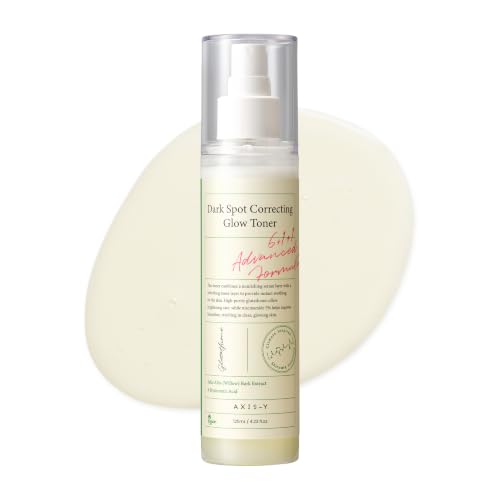
Dark Spot Correcting Glow Serum: The Ultimate Guide
Discover how the right serum can fade dark spots, even out skin tone, and give you a radiant, healthy glow. Our expert guide covers everything you need to know.
Shop Top-Rated Serums
What Is a Dark Spot Correcting Glow Serum?
A dark spot correcting glow serum is a targeted skincare treatment designed to reduce the appearance of hyperpigmentation, sun spots, age spots, and post-acne marks while simultaneously brightening the overall complexion. These serums are formulated with potent active ingredients that inhibit melanin production, accelerate cell turnover, and provide antioxidant protection to reveal smoother, more luminous skin.
Unlike basic moisturizers, serums have a lightweight, highly concentrated formula that penetrates deeper into the skin. They are the workhorses of any brightening routine. If you are struggling with uneven skin tone or dullness, incorporating a dedicated serum can make a significant difference. For a complete skincare approach, you might also explore other skin care products for glowing skin to complement your routine.
Key Ingredients to Look For
The effectiveness of a dark spot corrector lies in its ingredients. Here are the most scientifically-backed components you should look for when choosing a serum:
Vitamin C (L-Ascorbic Acid)
Niacinamide (Vitamin B3)
Tranexamic Acid
Alpha Arbutin
Kojic Acid
Azelaic Acid
Retinol
Licorice Root Extract
Vitamin C is a potent antioxidant that brightens skin and protects against environmental damage. For best results, pair it with vitamin C and ferulic acid for enhanced stability and efficacy. Niacinamide reduces inflammation and helps fade dark spots. Tranexamic acid and alpha arbutin are gentle yet effective melanin inhibitors, while retinol speeds up cell turnover to shed pigmented cells. Many of these ingredients are also found in other targeted treatments, such as a face serum for dark spots.
How It Works: The Science of Brightening
Dark spots form when melanocytes (skin cells that produce pigment) go into overdrive, often triggered by UV exposure, hormonal changes, or inflammation. A correcting glow serum intervenes in this process through several mechanisms:
- Inhibiting Tyrosinase: This enzyme is crucial for melanin production. Ingredients like kojic acid and alpha arbutin block it, preventing new spots from forming.
- Exfoliating the Surface: Retinol and AHAs (like glycolic acid) gently dissolve the glue holding dead skin cells together, revealing fresher skin underneath and fading surface-level pigmentation.
- Providing Antioxidant Protection: Vitamin C and other antioxidants neutralize free radicals from UV rays and pollution, which are major contributors to pigmentation.
- Reducing Inflammation: Niacinamide and licorice root calm the skin, which is especially beneficial for post-inflammatory hyperpigmentation (PIH) left by acne.
For those new to active ingredients, it's wise to start slowly and always use a body sunscreen or facial SPF during the day, as these ingredients can increase sun sensitivity.
Top Serum Types Compared
Not all serums are created equal. Here’s a quick comparison to help you decide based on your skin type and concerns.
| Type |
Best For |
Key Ingredients |
Skin Type |
| Vitamin C Serum |
Overall brightening & antioxidant protection |
L-Ascorbic Acid, Ferulic Acid |
All, especially normal to dry |
| Tranexamic Acid Serum |
Stubborn dark spots, melasma |
Tranexamic Acid, Niacinamide |
Sensitive, dry |
| Retinol Serum |
Texture improvement, deep pigmentation |
Retinol, Bakuchiol |
Oily, combination (avoid if sensitive) |
| Alpha Arbutin Serum |
Gentle lightening, post-acne marks |
Alpha Arbutin, Hyaluronic Acid |
All, especially sensitive |
If you're unsure where to start, a brightening serum for dark spots with a combination of niacinamide and vitamin C is often a safe and effective choice for most skin types.
How to Choose the Right Dark Spot Serum
Selecting the perfect serum can feel overwhelming. Here are key factors to consider to ensure you get the best results:
1. Identify Your Skin Type
Oily skin benefits from lightweight, gel-based serums. Dry skin needs hydrating formulas with hyaluronic acid. Sensitive skin should look for gentle, fragrance-free options.
2. Know Your Pigmentation
Sun spots and age spots respond well to vitamin C and retinol. Melasma often requires a combination of tranexamic acid and sunscreen. Post-acne marks benefit from niacinamide and alpha arbutin.
3. Check the Concentration
Effective serums list their active ingredients prominently. For example, look for 10-20% vitamin C, 2-5% niacinamide, or 0.5-1% retinol. Start with lower concentrations if you're new.
4. Consider Your Routine
Apply your serum in the morning for antioxidant protection (follow with SPF) or at night for repair. Avoid layering too many active ingredients to prevent irritation.
Pro Tips for Maximum Results
Even the best serum won't work miracles if applied incorrectly. Follow these expert tips to get the most out of your dark spot correcting glow serum:
- Apply to Damp Skin: Applying your serum right after cleansing, while your skin is still slightly damp, can enhance absorption and reduce the risk of irritation.
- Use a Pea-Sized Amount: A little goes a long way. Use just enough to cover your face and neck in a thin, even layer.
- Wait Before Moisturizing: Allow the serum to absorb for 1-2 minutes before applying your moisturizer to lock in the active ingredients.
- Be Consistent: Results take time. Most serums show visible improvement after 4-8 weeks of consistent use. Patience is key.
- Never Skip Sunscreen: Daily SPF application is non-negotiable when using brightening agents. Without protection, your dark spots will return.
For a deeper understanding of building a routine around active ingredients, check out our guide on vitamin C products for skin.
Frequently Asked Questions
How long does it take for a dark spot serum to work?
Most users begin to see subtle improvements within 4 weeks, with more significant results visible after 8-12 weeks of consistent use. The timeline depends on the ingredients' potency and the depth of the pigmentation.
Can I use a dark spot serum with retinol?
Yes, but it's best to use them at different times of the day (vitamin C in the morning, retinol at night) to avoid irritation. If you're new to retinol, start with a low concentration and use it only a few times a week.
Are these serums safe for all skin tones?
Yes, most are safe for all skin tones. However, if you have a darker complexion, avoid high concentrations of harsh exfoliants and always patch-test. A dermatologist can recommend the safest options.
What is the difference between a dark spot serum and a brightening serum?
They are often used interchangeably. However, a "dark spot" serum focuses specifically on fading pigmentation, while a "brightening" serum also aims to improve overall skin radiance and evenness.
Ready to Transform Your Skin?
Explore our curated list of the best dark spot correcting glow serums. Each product has been selected based on efficacy, ingredient quality, and user reviews.
Shop Now & Get Your Glow