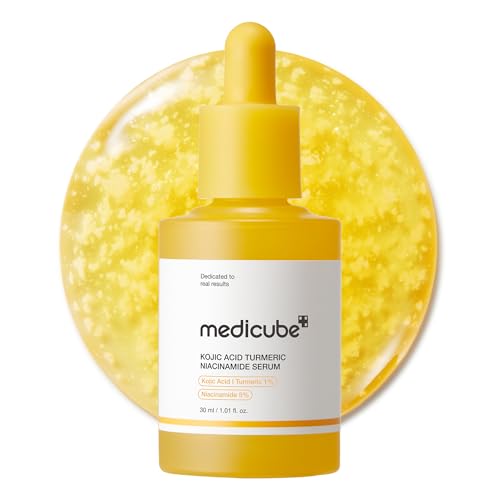
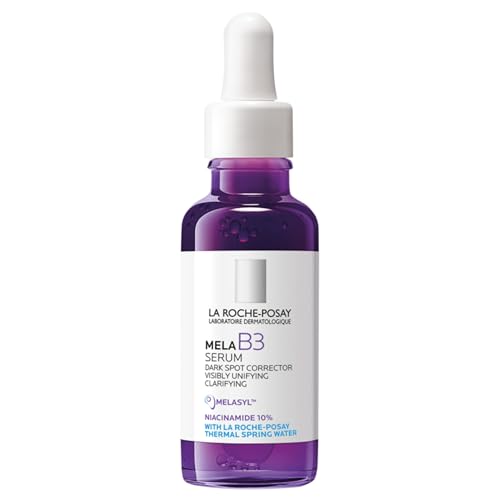
Brightening Serum for Dark Spots: Your Complete Guide
Dark spots, hyperpigmentation, and uneven skin tone can be stubborn. The right brightening serum—packed with Vitamin C, niacinamide, or retinol—can fade discoloration and restore your skin's natural glow. This guide explains how these ingredients work, what to look for, and how to choose the best serum for your skin type.
Shop Top-Rated Brightening Serums
What Causes Dark Spots?
Dark spots—also called hyperpigmentation, sun spots, or age spots—occur when melanin (the pigment that gives skin its color) is overproduced and deposits in concentrated areas. Common triggers include:
- Sun exposure: UV rays stimulate melanocytes, leading to sun spots and freckles.
- Post-inflammatory hyperpigmentation (PIH): Acne, cuts, or burns can leave dark marks after healing.
- Hormonal changes: Melasma, often triggered by pregnancy or birth control, causes patches of dark skin.
- Aging: Over time, skin cell turnover slows, making it harder to shed pigmented cells.
Targeting these issues requires ingredients that inhibit melanin production, accelerate cell renewal, or block pigmentation signals. Discover more skincare essentials for glowing skin.
Top Brightening Ingredients for Dark Spots
Not all brightening serums are created equal. Here are the most effective ingredients backed by dermatological research:
Vitamin C (L-Ascorbic Acid)
A powerful antioxidant that inhibits tyrosinase (the enzyme that produces melanin) and neutralizes free radicals. Ideal for fading sun spots and brightening overall tone.
Niacinamide
Vitamin B3 that reduces melanin transfer to skin cells, strengthens the skin barrier, and minimizes redness. Excellent for sensitive skin and PIH.
Tranexamic Acid
Targets melasma and stubborn hyperpigmentation by blocking melanin production at the source. Often combined with other actives for faster results.
Retinoids (Retinol)
Accelerates cell turnover, helping to shed pigmented cells and reveal fresher, brighter skin. Great for aging skin with dark spots.
Alpha Arbutin
A gentler alternative to hydroquinone that inhibits tyrosinase without irritation. Suitable for all skin types, including sensitive.
Kojic Acid
Derived from fungi, this ingredient lightens hyperpigmentation by chelating copper needed for melanin production. Effective for sun damage.
Many serums combine several of these ingredients for synergistic effects. For example, Vitamin C serums often pair with ferulic acid or Vitamin E to boost stability and efficacy.
How to Choose the Right Brightening Serum
Selecting a serum depends on your skin type, the cause of your dark spots, and your tolerance for active ingredients. Follow these guidelines:
- For sensitive skin: Opt for niacinamide or alpha arbutin. Avoid high concentrations of Vitamin C (look for derivatives like ascorbyl glucoside instead). Explore skincare for dry and sensitive skin.
- For oily or acne-prone skin: Choose a serum with niacinamide or a lightweight Vitamin C derivative. These help regulate sebum while fading marks.
- For mature skin with deep spots: Retinoids combined with niacinamide or tranexamic acid work well. Always use sunscreen during the day.
- For melasma: Look for tranexamic acid, kojic acid, or azelaic acid. These are clinically proven to lighten hormone-induced pigmentation.
💡 Pro Tip: Always patch-test new serums on your jawline or inner arm. Introduce active ingredients gradually—start with every other night to minimize irritation. And never skip sunscreen; UV exposure will undo all your brightening efforts.
How to Use a Brightening Serum for Best Results
To maximize effectiveness, incorporate your serum correctly into your routine:
- Cleanse your face with a gentle, pH-balanced wash.
- Apply a toner to prep skin and balance pH (optional but recommended).
- Apply the serum while skin is still slightly damp—this helps absorption. Use 2–3 drops and pat gently (don't rub).
- Wait 1–2 minutes for the serum to absorb, then follow with a moisturizer to lock in hydration.
- In the morning, always finish with sunscreen (SPF 30 or higher). Brightening actives make skin more photosensitive.
Consistency is key—most serums take 8–12 weeks to show visible improvement. For stubborn spots, consider pairing with targeted Vitamin C treatments or professional treatments like chemical peels.
The Science of Skin Brightening
Dark spots form when melanocytes (pigment-producing cells) are triggered by UV radiation, inflammation, or hormones. Brightening ingredients work through different pathways:
- Tyrosinase inhibitors (Vitamin C, kojic acid, arbutin) block the enzyme that initiates melanin production.
- Melanin-transfer inhibitors (niacinamide) prevent pigment from reaching the skin's surface.
- Exfoliants (retinoids, AHAs) speed up cell turnover, shedding pigmented cells faster.
- Antioxidants (Vitamin C, E, ferulic acid) neutralize free radicals that trigger pigmentation in the first place.
Combination serums that address multiple pathways often deliver the best results. For instance, Vitamin C with ferulic acid enhances stability and photoprotection, making it a powerful duo against dark spots.
Ready to Fade Your Dark Spots?
Choosing the right brightening serum is the first step toward clearer, more even-toned skin. Whether you opt for a Vitamin C powerhouse, a niacinamide-based formula, or a retinol treatment, consistency and sun protection are non-negotiable.
For more personalized advice, explore our guides on hydration, targeted serums, and getting started with skincare. If you have persistent or severe hyperpigmentation, consult a dermatologist for prescription-strength options.
Shop Brightening Serums Now