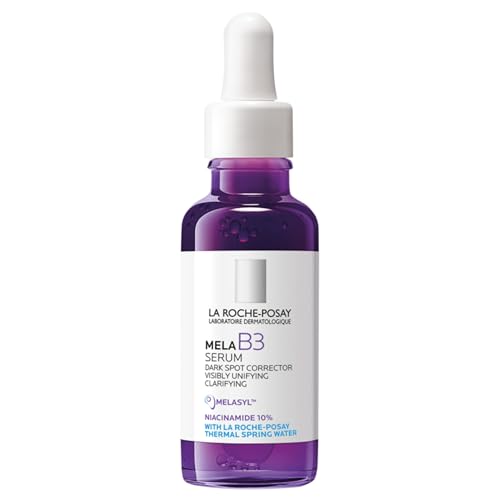
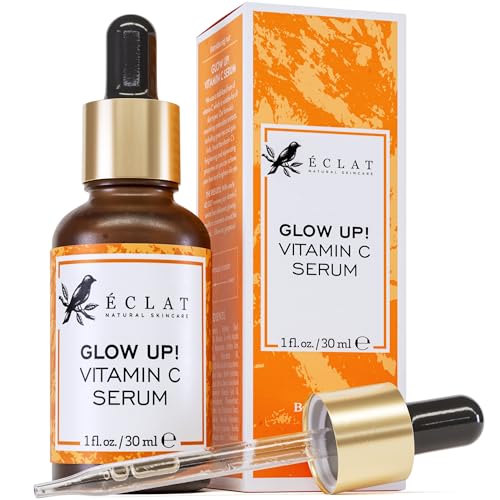
Face Serum for Dark Spots: Your Complete Guide to Brighter, Even Skin
Struggling with dark spots, hyperpigmentation, or uneven skin tone? Discover how the right face serum can transform your skin. This expert guide covers the best ingredients, how to choose the perfect product, and our top recommendations.
Shop Top-Rated SerumsDid you know? Dark spots, also known as hyperpigmentation, are caused by an overproduction of melanin. The right face serum can help inhibit melanin production, exfoliate surface cells, and reveal brighter, more even-toned skin over time.
Understanding Dark Spots & Hyperpigmentation
Dark spots, age spots, and post-acne marks are all forms of hyperpigmentation. They occur when the skin produces excess melanin in response to triggers like UV exposure, hormonal changes, inflammation, or injury. While they are harmless, many people seek to reduce their appearance for a more even and radiant complexion. The most effective way to target these concerns is with a dedicated face serum for dark spots, formulated with potent active ingredients that penetrate deeper than moisturizers.
When choosing a serum, it's essential to consider your skin type and the specific cause of your dark spots. For example, sun-induced spots respond well to ingredients like vitamin C and retinol, while post-inflammatory hyperpigmentation (PIH) from acne may benefit from gentle exfoliating acids like azelaic acid or tranexamic acid. For a comprehensive approach, you might also explore our guide on skin care products for glowing skin to complement your routine.
Key Ingredients to Look For
The best face serums for dark spots combine multiple brightening and exfoliating ingredients. Here are the most clinically proven ones:
Vitamin C (L-Ascorbic Acid)
A potent antioxidant that inhibits melanin production and protects against UV damage. It also boosts collagen for firmer skin. Look for stable formulations with ferulic acid for enhanced efficacy. For more information, see our dedicated vitamin c products for skin guide.
Retinoids (Retinol, Retinaldehyde)
Vitamin A derivatives that accelerate cell turnover, fading dark spots and smoothing texture. They are among the most effective ingredients for pigmentation and anti-aging. Start with a lower concentration to avoid irritation.
Tranexamic Acid & Kojic Acid
Both are tyrosinase inhibitors that reduce melanin production. Tranexamic acid is particularly effective for stubborn, sun-induced dark spots, while kojic acid is gentle and suitable for sensitive skin.
Alpha Hydroxy Acids (AHAs)
Glycolic acid and lactic acid gently exfoliate the skin's surface, removing pigment-laden dead cells and revealing brighter skin underneath. They also enhance the penetration of other active ingredients.
Many top-rated serums combine these ingredients for a synergistic effect. For example, a serum with vitamin C, retinol, and tranexamic acid can address pigmentation from multiple angles. Remember that consistency is key; results typically appear after 8-12 weeks of daily use.
How to Choose the Right Face Serum for Your Skin
With so many options on the market, selecting the right serum can feel overwhelming. Here's a simple checklist to help you make an informed decision:
- Identify your skin type: If you have sensitive skin, opt for a serum with soothing ingredients like niacinamide and avoid high concentrations of retinoids or acids. Oily skin types can tolerate lightweight, water-based serums.
- Check the formulation: Look for serums that are fragrance-free and packaged in opaque, air-tight bottles to preserve the stability of active ingredients, especially vitamin C.
- Consider your main trigger: Sun spots, melasma, or post-acne marks each respond best to specific ingredient combinations. Melasma, for instance, may require a prescription-strength product, so consult a dermatologist.
- Read reviews and research: Customer reviews and clinical studies can provide valuable insights into a product's efficacy and potential side effects.
If you're new to active ingredients, start slowly. Apply the serum once every other night, and always follow with a sunscreen during the day. For more tailored advice, check out our getting started guide for building a safe and effective skincare routine.
How to Apply Your Serum for Maximum Efficacy
Correct application ensures your serum delivers optimal results. Follow these steps:
- Cleanse: Start with a gentle cleanser to remove dirt, oil, and makeup. Pat your skin dry, leaving it slightly damp to enhance absorption.
- Apply a toner (optional): A hydrating toner can prep your skin and balance its pH. Our guide on skin toner for sensitive skin offers excellent options.
- Dispense the serum: Use 2-3 drops of serum onto your fingertips or palm. Avoid applying directly from the dropper to your face to maintain hygiene.
- Press and pat: Gently press the serum into your skin, focusing on areas with dark spots. Patting motions help the product absorb without tugging the skin.
- Wait and layer: Allow the serum to absorb for 1-2 minutes before applying your moisturizer. For dry skin, follow with a rich moisturizer. For oily skin, a lightweight gel moisturizer works well.
- Never skip SPF: This is the most critical step. Sun exposure can undo all your efforts and even worsen existing dark spots. Use a broad-spectrum SPF 30 or higher daily. Consider a spf moisturizer for oily skin or a dedicated sunscreen for your skin type.
For optimal results, many experts recommend using a brightening serum in the morning (like vitamin C) and a cell-communicating agent (like retinol) in the evening. This approach provides 24/7 protection and repair.
Lifestyle and Dietary Tips to Complement Your Serum
While a good serum is the cornerstone of treating dark spots, a holistic approach accelerates results. Here are some additional strategies:
- Sun Protection: Wear SPF daily, even on cloudy days or when indoors near windows. Reapply every two hours if you're outdoors.
- Antioxidant-rich diet: Foods high in vitamins C, E, and beta-carotene support your skin from within. Consider adding a vitamin c supplement for skin to boost your intake.
- Stay hydrated: Drinking adequate water helps maintain skin elasticity and flush out toxins.
- Manage stress: Chronic stress can trigger inflammation and exacerbate skin issues. Explore our stress management tips for healthier skin and mind.
- Adequate sleep: The body repairs itself during sleep, including the production of collagen and cell regeneration. Our beauty sleep guide offers practical advice.
By combining a targeted face serum with a healthy lifestyle, you'll see faster and more sustained improvements in your skin tone and overall complexion.
Frequently Asked Questions
- How long does it take for a face serum to fade dark spots? Visible results typically appear within 8 to 12 weeks of consistent use. However, deeper or older dark spots may take 4 to 6 months to show significant fading.
- Can I use a brightening serum with retinol? Yes, but it's best to use vitamin C in the morning and retinol at night to avoid irritation. If you're new to these actives, introduce them gradually.
- Are there any side effects? Some irritation, redness, or peeling may occur, especially with retinol or acids. Start with a lower concentration and use a moisturizer to soothe your skin.
- What about hydroquinone? Hydroquinone is a potent skin-lightening agent available in over-the-counter and prescription strengths. It's effective, but use with caution and under professional guidance. Learn more in our detailed hydroquinone cream for dark spots guide.
Still have questions? Feel free to contact us for personalized advice.
Ready to Fade Your Dark Spots?
Explore our curated selection of top-rated face serums for dark spots below. Each product is chosen for its proven ingredients, positive reviews, and high-quality formulation. Click through to see pricing, ingredients, and real customer testimonials.
View Recommended Serums