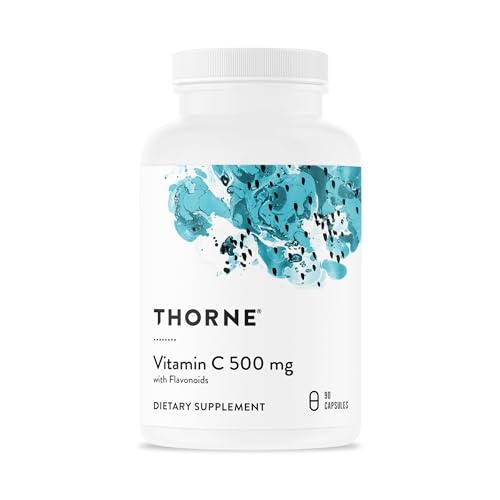
Vitamin C Supplement for Skin: Unlock Your Glow from Within
Discover how a high-quality vitamin C supplement can transform your skin — boosting collagen, fading dark spots, and protecting against environmental damage. Your complete guide to benefits, dosage, and the best products.
Shop Top Vitamin C SupplementsWhy Your Skin Needs a Vitamin C Supplement
Vitamin C is a powerhouse antioxidant that plays a critical role in skin health. While topical vitamin C serums are popular, taking a vitamin C supplement for skin offers systemic benefits that reach deeper layers. When you consume vitamin C orally, it supports collagen synthesis from within, helps neutralize free radicals, and works alongside other nutrients to keep your skin firm, bright, and resilient.
Many people focus solely on topical applications, but oral vitamin C provides a foundation that topical products cannot replicate. It helps reduce oxidative stress throughout the body, which directly impacts how your skin ages and recovers from sun exposure. If you're serious about long-term skin health, a vitamin C supplement is a non-negotiable part of your daily routine.
Top Benefits of Vitamin C Supplement for Skin
Here are the most scientifically-backed benefits of adding a vitamin C supplement to your daily regimen:
- Boosts Collagen Production: Vitamin C is a co-factor for the enzymes that stabilize and cross-link collagen molecules. This leads to firmer, more youthful-looking skin.
- Fades Hyperpigmentation: By inhibiting tyrosinase activity, vitamin C helps reduce melanin production, fading dark spots, sun spots, and melasma over time.
- Protects Against UV Damage: As an antioxidant, it neutralizes free radicals generated by UV exposure, reducing oxidative stress that leads to premature aging.
- Enhances Wound Healing: Vitamin C promotes the formation of new connective tissue and accelerates the healing of minor wounds and skin imperfections.
- Reduces Inflammation: It has mild anti-inflammatory properties that can help calm redness and irritation, beneficial for sensitive or acne-prone skin.
- Improves Skin Barrier Function: By supporting lipid synthesis, vitamin C helps strengthen the skin's moisture barrier, preventing dryness and dehydration.
For maximum skin benefits, many dermatologists recommend combining an oral vitamin C supplement with a topical vitamin C product for a synergistic effect.
Optimal Dosage and How to Choose the Best Supplement
Not all vitamin C supplements are created equal. Here's what you need to know to make an informed choice:
| Form of Vitamin C | Bioavailability | Best For |
|---|---|---|
| L-Ascorbic Acid | High | Standard, well-researched form; best taken in divided doses. |
| Sodium Ascorbate | High | Buffered, less acidic – gentle on the stomach. |
| Calcium Ascorbate | High | Buffered with calcium; good for sensitive stomachs. |
| Liposomal Vitamin C | Very High | Enhanced absorption; ideal for higher doses and sensitive GI. |
| Ester-C (Calcium Ascorbate) | High | Non-acidic, stays in the body longer. |
Recommended Daily Dosage: For skin health, a daily dose of 500–1,000 mg is commonly recommended by dermatologists. Higher doses up to 2,000 mg are safe for most people but may cause digestive upset in some. It's best to start with a lower dose and increase gradually. Remember that vitamin C is water-soluble, so your body excretes excess amounts – but consistent daily intake is key to maintaining optimal skin levels.
Look for supplements that combine vitamin C with bioflavonoids or rose hips – these enhance absorption and provide complementary antioxidant benefits. Some premium formulas also include ferulic acid or vitamin E for added stability and efficacy.
What Science Says About Vitamin C and Skin Health
Numerous clinical studies have confirmed the profound impact of vitamin C on skin. A 2018 study published in the American Journal of Clinical Nutrition found that higher dietary vitamin C intake was associated with a lower risk of wrinkled skin and dryness in middle-aged women. Another study in Dermatology and Therapy highlighted that oral vitamin C supplementation significantly improved skin hydration, elasticity, and reduced wrinkle depth after 8 weeks.
Research also shows that vitamin C works synergistically with other antioxidants like vitamin E and skin-supporting nutrients to provide comprehensive protection against photoaging. For individuals with melasma or post-inflammatory hyperpigmentation, combining a vitamin C supplement with sunscreen and topical brighteners yields the best results.
It's important to note that while topical vitamin C delivers high concentrations directly to the skin surface, oral supplements ensure that the nutrient reaches the dermis via the bloodstream, benefiting both the epidermis and underlying structural tissues. This inside-out approach is why many skincare experts recommend a dual strategy.
Vitamin C Supplement vs. Topical Serum: Do You Need Both?
This is a common question, and the answer is yes – they complement each other.
- Topical Vitamin C: Delivers a high concentration directly to the outermost layers of the skin. Excellent for surface-level brightening, protection against UV damage, and reducing fine lines. However, it can be unstable and may not penetrate deeply enough to stimulate collagen in the dermis.
- Oral Vitamin C Supplement: Provides systemic benefits, reaching the deeper layers of the skin through blood circulation. It supports collagen production from within, which is essential for maintaining skin structure and elasticity over time.
Using both a topical vitamin C serum and an oral supplement maximizes your results. The topical product works on the surface while the supplement reinforces the skin from inside. Many dermatologists recommend this combination for anyone serious about anti-aging and skin health.
If you have sensitive skin that reacts to topical vitamin C, an oral supplement may be a gentler alternative to still obtain the benefits.
Vitamin C from Food vs. Supplement: Which is Better?
While a diet rich in fruits and vegetables – including citrus, bell peppers, kiwi, and broccoli – is the most natural way to get vitamin C, supplements offer convenience and consistency. To achieve the high doses (500–1,000 mg) that show skin benefits, you would need to consume large quantities of food daily. For example, one medium orange provides about 70 mg of vitamin C, so you'd need around 7–14 oranges to reach a therapeutic dose.
Supplements ensure you hit your target intake every day without excess calories or sugar. However, whole foods provide additional nutrients like fiber and bioflavonoids that enhance absorption and offer extra health benefits. The ideal approach is a combination: a diet rich in vitamin C foods plus a high-quality supplement to fill the gap.
When choosing a supplement, look for brands that use third-party testing and have clear ingredient labeling. Avoid fillers and artificial additives.
Potential Side Effects and Safety Precautions
Vitamin C is generally safe and well-tolerated, but there are a few things to keep in mind:
- Digestive Issues: High doses (above 2,000 mg) can cause diarrhea, nausea, or stomach cramps. Start with a lower dose and increase gradually.
- Kidney Stones: Individuals with a history of calcium oxalate kidney stones should consult a doctor before taking high-dose vitamin C supplements.
- Iron Absorption: Vitamin C enhances iron absorption, which can be beneficial for those with iron deficiency but may be a concern for people with hemochromatosis.
- Medication Interactions: Vitamin C may interact with certain medications, including blood thinners and chemotherapy drugs. Always consult your healthcare provider before starting any new supplement.
For most healthy adults, a daily dose of 500–1,000 mg is safe and effective for skin health. Always follow the manufacturer's recommended dosage and consult with a dermatologist or nutritionist if you have specific concerns.
Frequently Asked Questions About Vitamin C Supplement for Skin
How long does it take for vitamin C supplements to improve skin?
Most people start to see noticeable improvements in skin brightness and texture after 4–8 weeks of consistent use. For collagen-related benefits like firmness, it may take 3–6 months of daily supplementation.
Is 1000 mg of vitamin C daily too much for skin?
No, 1,000 mg per day is considered safe and effective for most adults. It's the upper limit recommended for general health and provides optimal skin benefits without significant risk of side effects. Always stay within the 2,000 mg daily upper limit.
Can I take vitamin C with other skincare supplements?
Yes, vitamin C pairs well with other supplements like ferulic acid, vitamin E, zinc, and omega-3 fatty acids. These nutrients work synergistically to support skin health and enhance antioxidant protection.
Is it better to take vitamin C in the morning or at night?
Vitamin C is water-soluble and can be taken at any time of day. Some people prefer taking it in the morning to support daytime antioxidant protection, while others take it at night to assist with skin repair during sleep. Consistency is more important than timing.
Can vitamin C supplements help with acne scars?
Yes, vitamin C promotes collagen production and skin regeneration, which can help fade post-inflammatory hyperpigmentation and improve the appearance of acne scars over time. Combining oral supplements with a topical vitamin C product yields the best results.
Ready to Transform Your Skin from Within?
Browse our curated selection of the best vitamin C supplements for skin. Each product is researched for quality, bioavailability, and proven results. Start your journey to radiant, healthier skin today.
Shop Vitamin C Supplements →