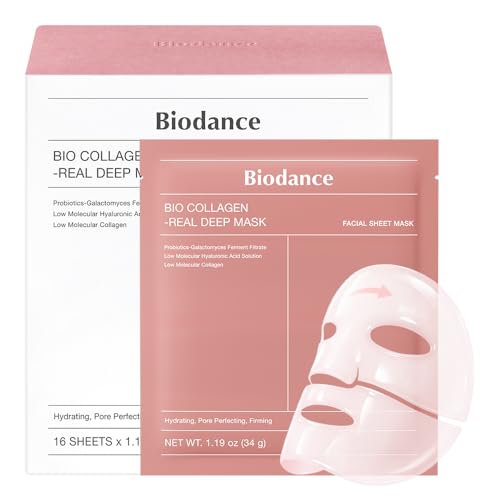
Hydrating Face Masks: Deep Moisture & Skin Renewal
Discover the power of intense hydration with expert-recommended face masks for dry, dehydrated, and dull skin. Transform your complexion with the right mask for your skin type.
If your skin feels tight, looks dull, or shows signs of dehydration, a hydrating face mask could be the game-changer your skincare routine needs. Unlike your daily moisturiser, a face mask delivers a concentrated dose of moisture and nutrients to deeply nourish and replenish your skin.
Whether you're dealing with seasonal dryness, environmental damage, or naturally sensitive skin, finding the right hydrating mask can restore your skin's barrier, boost radiance, and leave your complexion feeling plump and refreshed. This comprehensive guide covers everything you need to know about hydrating face masks, from key ingredients to application techniques.
Benefits of Hydrating Face Masks
Regular use of hydrating face masks provides multiple benefits for your skin:
Deep Hydration
Delivers moisture to deeper skin layers
Barrier Repair
Strengthens skin's natural protective barrier
Plump & Radiant
Reduces fine lines for a youthful glow
Soothing Relief
Calms irritation and reduces redness
Key Ingredients for Hydrating Face Masks
The effectiveness of a hydrating face mask depends on its ingredients. Here are the most powerful hydrating ingredients to look for:
Hyaluronic Acid
Holds up to 1,000 times its weight in water, providing intense hydration and plumping the skin. Ideal for all skin types, especially dehydrated skin.
Glycerin
A humectant that draws moisture from the air into the skin, keeping it soft and supple. Excellent for sensitive skin.
Aloe Vera
Soothing and hydrating, aloe vera calms irritation while providing essential moisture. Perfect for sun-exposed or sensitive skin.
Ceramides
Lipids that restore the skin barrier, locking in moisture and protecting against environmental damage.
Snail Mucin
Rich in glycoproteins and hyaluronic acid, snail mucin promotes hydration and skin repair. Popular in K-beauty formulations.
Vitamin B5 (Panthenol)
Deeply hydrates and soothes, making it excellent for skin barrier support and healing.
Types of Hydrating Face Masks
Choosing the right format can enhance your experience and results:
- Sheet Masks: Pre-cut fabric soaked in serum. Convenient and mess-free, perfect for travel or quick hydration. Found in many K-beauty routines.
- Cream Masks: Rich, creamy texture that provides deep nourishment. Ideal for very dry skin and winter months.
- Gel Masks: Lightweight, water-based formulas that cool and hydrate. Great for oily or combination skin that needs hydration without heaviness.
- Clay Masks with Hydration: Some clay masks include hydrating ingredients for a balanced cleanse-and-moisture effect.
- Overnight Masks: Also called sleeping masks, these work while you sleep for intense, all-night hydration.
How to Apply a Hydrating Face Mask
Follow these steps to maximize the benefits of your hydrating face mask:
Cleanse Thoroughly
Start with a clean canvas. Use a gentle face cleanser to remove dirt, oil, and makeup. Pat skin dry with a clean towel.
Apply Toner (Optional)
A face toner can prep your skin to better absorb the mask's hydrating ingredients.
Apply the Mask
For sheet masks, unfold and carefully place over your face, smoothing out air bubbles. For cream or gel masks, apply a thick, even layer across your face and neck.
Relax & Wait
Leave the mask on for the recommended time (typically 10-20 minutes). Use this time to relax and let the ingredients penetrate deeply.
Remove & Massage
Gently remove the sheet mask or rinse off the cream/gel mask. Massage any remaining serum into your skin.
Follow Up
Seal in the hydration with a good face moisturizer or face oil to lock in moisture.
How to Choose the Right Hydrating Mask
Match Your Skin Type
- Dry Skin: Opt for cream masks rich in ceramides, shea butter, and hyaluronic acid. Look for shea butter moisturiser formulations.
- Dehydrated Skin: Choose gel or sheet masks with hyaluronic acid and glycerin for an instant moisture boost.
- Sensitive Skin: Look for soothing, fragrance-free masks with aloe vera, chamomile, or oat extract.
- Oily/Combination Skin: Opt for lightweight, non-comedogenic gel masks that hydrate without clogging pores.
- Aging Skin: Consider masks with peptides, hyaluronic acid, and vitamin C for hydration and plumping.
Tips for Maximum Hydration
- Use a hydrating face mask 1-3 times per week, depending on your skin's needs.
- For an extra hydration boost, apply a thin layer of hydrating moisturiser before your mask.
- Store sheet masks in the refrigerator for a refreshing, depuffing effect.
- Follow up with a SPF moisturiser in the morning to protect hydrated skin from UV damage.
- Consider incorporating a face serum with hyaluronic acid into your daily routine for ongoing hydration.
Final Thoughts
Hydrating face masks are an essential tool in achieving and maintaining glowing, healthy skin. Whether you choose a luxurious sheet mask for a weekly treat or a nourishing cream mask for deep hydration, the key is consistency and choosing the right ingredients for your skin type.
Ready to elevate your skincare routine? Explore our recommended hydrating face masks below to find the perfect match for your skin needs. Remember, natural skin care principles combined with scientifically-backed ingredients offer the best results for long-term skin health.
If you have persistent skin concerns, consider consulting a dermatologist for personalized advice. And don't forget to patch-test new products, especially if you have hypoallergenic concerns.