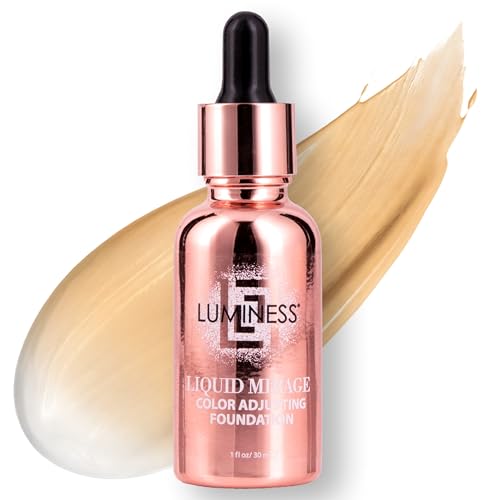
Holy Grail Foundation for Mature Skin
Find the flawless finish you deserve. This guide reveals how to choose a foundation that hydrates, lifts, and blurs imperfections for radiant mature skin.
As skin matures, its needs change. A foundation that worked in your twenties may now settle into fine lines or cling to dry patches. The right holy grail foundation for mature skin should do more than provide coverage—it should hydrate, smooth, and illuminate without feeling heavy. This guide walks you through the key features, formula types, and application techniques to help you find your perfect match.
Why Mature Skin Needs a Different Foundation
Mature skin typically produces less oil, loses elasticity, and develops fine lines and wrinkles. These changes mean that a traditional matte foundation can look cakey or emphasize texture. Instead, you need a formula that:
- Hydrates and plumps: Ingredients like hyaluronic acid and glycerin draw moisture into the skin, reducing the appearance of dry lines.
- Offers flexible coverage: Buildable, lightweight coverage looks more natural than a heavy, opaque layer.
- Contains light-diffusing particles: These tiny minerals bounce light away from imperfections, creating a soft-focus effect.
- Is non-drying: Avoid alcohol-heavy or matte formulas that can settle into creases.
- Includes skin-loving extras: Antioxidants, peptides, and SPF are welcome bonuses that protect and nourish.
For more targeted advice on choosing a formula for aging skin, explore our guide on foundation makeup for older women.
Key Features of a Holy Grail Foundation for Mature Skin
Before you start shopping, look for these essential characteristics. They separate a good foundation from a truly holy grail product.
Moisture-Boosting Formula
A foundation with a hydrating base—think serums, oils, or cream textures—helps prevent the dreaded "cracking" effect. Look for ingredients like squalane, ceramides, and hyaluronic acid. These keep skin supple throughout the day.
Radiant or Satin Finish
A soft, luminous finish reflects light and makes skin look healthier. Avoid overly matte or powdery finishes, which can flatten the complexion and highlight texture. A satin or dewy finish is often the most flattering.
Buildable, Medium Coverage
Sheer-to-medium coverage evens out skin tone without masking it. You can always add a second layer for more coverage, but a heavy formula from the start often looks unnatural and settles into lines.
SPF and Antioxidants
Sun damage is a major contributor to premature aging. A foundation with broad-spectrum SPF (and antioxidants like vitamin C or E) offers extra protection. However, don't rely solely on makeup for sun protection—always use a dedicated sunscreen underneath.
How to Choose the Right Foundation for Your Skin Type
Mature skin isn't a single category—it can be dry, oily, combination, or sensitive. Here's how to narrow down your options.
For Dry or Dehydrated Mature Skin
Choose a liquid or cream foundation with a dewy finish. Avoid powder foundations and anything labeled "matte" or "long-wear." A hydrating primer can also help create a smooth canvas. Check out our tips for face moisturizer for dry sensitive skin to prep your skin before foundation.
For Oily or Combination Mature Skin
Look for a lightweight, oil-free formula with a natural or satin finish. A primer designed for oily skin can help control shine without drying out the skin. Our article on face primer for oily skin offers useful recommendations.
For Sensitive Mature Skin
Fragrance-free, hypoallergenic formulas are your best bet. Mineral-based foundations can be gentle, but some can be drying—look for ones with added moisturizers. If your skin is reactive, read our guide on foundation makeup for sensitive skin.
Application Tips for a Flawless Finish
Even the best foundation can look less-than-perfect if applied incorrectly. Follow these techniques to maximize your results.
- Start with skincare: Apply a hydrating serum and moisturizer, and let them absorb fully. A smooth base is essential.
- Use a primer: A blurring or hydrating primer fills in fine lines and helps foundation last longer.
- Apply with a damp sponge: A damp makeup sponge presses the product into the skin for a seamless, natural look. Our guide to foundation brushes can help you choose the right tool.
- Build in thin layers: Start with a sheer layer and add more only where needed. Avoid piling on product.
- Set selectively: Use a light dusting of translucent powder only on areas prone to shine, like the T-zone. Leave the cheeks and under-eyes luminous.
- Refresh with a mist: A hydrating setting spray can melt powder into the skin and revive the finish midday.
Comparing Foundation Tiers
Foundations are available at various quality tiers, each with its own strengths. Here's a general comparison to set your expectations.
| Tier | Typical Characteristics | Best For |
|---|---|---|
| Entry-Level / Budget-Friendly | Basic hydration, limited shade range, may lack skin-care ingredients. | Those experimenting with formulas or on a tight budget. |
| Mid-Range / Mid-Tier | Good balance of hydration, coverage, and additional benefits like SPF or antioxidants. Often a wider shade range. | Everyday wear for most skin types; a solid value. |
| Premium / High-End | Advanced formulas with peptides, light-diffusing particles, and luxurious textures. Usually extensive shade ranges. | Those wanting maximum anti-aging benefits and a flawless finish. |
| Luxury / Top-Tier | Cutting-edge technology, rare ingredients, and impeccable packaging. Often includes skincare actives at higher concentrations. | Beauty enthusiasts seeking the ultimate in performance and pampering. |
For more options across different tiers, explore our selection of full coverage foundation for mature skin.
Common Mistakes to Avoid
- Using too much powder: Excess powder settles into lines and makes skin look dry. Use it sparingly.
- Skipping moisturizer: Hydrated skin is the best base for foundation. Never skip your morning moisturizer.
- Choosing the wrong shade: Test foundation on your jawline in natural light, not on your hand.
- Ignoring undertones: A mismatch in undertone (cool, warm, neutral) can make foundation look ashy or orange. Our guide to foundation for olive skin may help if you have olive undertones.
- Not exfoliating: Gentle exfoliation removes dead skin cells that can cause foundation to look patchy. Try a gentle exfoliator for dry skin once or twice a week.
Ready to Find Your Holy Grail?
Explore our curated selection of top-rated foundations for mature skin, chosen for their hydrating, lifting, and blurring properties.
See Recommended FoundationsFrequently Asked Questions
What is the best foundation finish for mature skin?
A radiant, satin, or dewy finish is generally the most flattering. These finishes reflect light and make skin look more youthful and hydrated. Avoid heavy matte finishes, which can emphasize dryness and fine lines.
Should I use a primer under foundation for mature skin?
Yes, a primer can make a significant difference. A hydrating or blurring primer fills in fine lines and creates a smooth canvas, helping foundation apply more evenly and last longer. Choose one suited to your skin type.
How do I prevent foundation from settling into fine lines?
Start with well-moisturized skin, use a hydrating primer, apply foundation in thin layers with a damp sponge, and avoid over-powdering. Setting only the areas that need it can also help.
Is powder foundation good for mature skin?
Powder foundations can work, but they are more likely to settle into lines and emphasize dryness. If you prefer powder, look for finely milled, hydrating formulas and apply with a light hand. A liquid or cream foundation is often more forgiving.
How can I find my perfect shade match?
Test foundation on your jawline in natural daylight. The right shade should blend seamlessly with both your face and neck. Consider your undertone—warm, cool, or neutral—to ensure a natural look.
For more beauty guidance, explore our getting started section, learn about foundation basics, or discover tips on high-end makeup. You can also read our disclaimer and affiliate disclosure for full transparency.