Skincare Routine Guide for Every Skin Type
Build the perfect regimen from cleansing to moisturizing, including tips for managing hyperpigmentation.
Read More →
Understanding the causes, effective ingredients, and the best products to achieve a clear, even-toned complexion.
Start Your Skincare JourneyDid you know? Dark spots, also known as hyperpigmentation, are one of the most common skincare concerns. They can appear on any skin type and are often triggered by sun exposure, hormonal changes, acne scars, or inflammation. The good news? With the right ingredients and consistent routine, you can significantly fade them.
Dark spots occur when the skin produces excess melanin, the pigment that gives skin its color. This overproduction can be triggered by several factors:
UV radiation stimulates melanocytes to produce more melanin as a defense mechanism. Over time, this leads to sunspots and age spots, especially on areas frequently exposed to the sun like the face, hands, and chest.
Prevention: Daily sunscreen with at least SPF 30 is non-negotiable.
Dark spots that appear after skin inflammation, such as acne, cuts, or burns. This is more common in darker skin tones. PIH can linger for months or even years if not treated properly.
Solution: Gentle face wash and targeted treatments.
Melasma often appears as larger, patchy brown spots on the cheeks, forehead, and upper lip. It's commonly triggered by pregnancy, birth control pills, or hormone replacement therapy. Sun exposure worsens it significantly.
Approach: Consult a dermatologist, plus skin lightening cream with prescription-grade ingredients may be needed.
As we age, skin cell turnover slows down, causing pigmented cells to accumulate. Additionally, any trauma to the skin (like picking at scabs or aggressive treatments) can leave behind dark marks.
Key: Incorporate antioxidant serums to boost skin repair.
Not all products are created equal. Here are the most scientifically-backed ingredients that can help brighten skin and reduce hyperpigmentation.
A potent antioxidant that inhibits melanin production. Look for L-ascorbic acid serum for maximum efficacy.
Accelerates cell turnover, helping to shed pigmented cells faster. Start with a gentle retinol product.
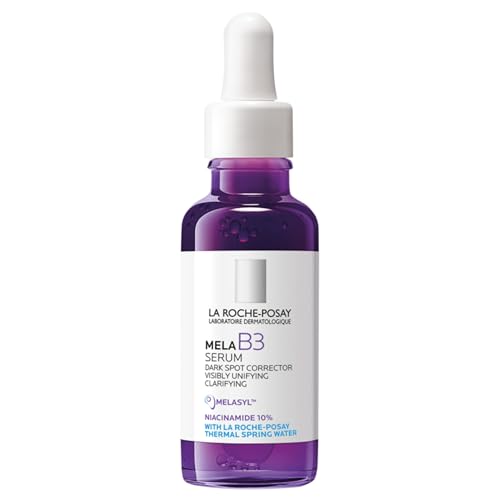
Also known as Vitamin B3, it reduces melanin transfer to skin cells and improves skin barrier function. Great for all skin types.
A gentler alternative to hydroquinone, alpha arbutin effectively targets hyperpigmentation with minimal irritation.
An AHA that exfoliates the skin's surface to reveal brighter skin underneath. Try glycolic acid toning for regular use.
Derived from fungi, it inhibits tyrosinase, an enzyme needed for melanin production. Often found in skin lightening cream.
Consistency is key. Follow this step-by-step guide to incorporate brightening products into your daily regimen without causing irritation.
Expand your skincare knowledge with these expert-curated articles.
Build the perfect regimen from cleansing to moisturizing, including tips for managing hyperpigmentation.
Read More →Discover top-rated serums with vitamin C, retinol, and niacinamide to target dark spots effectively.
Read More →Prevention is better than cure. Learn how to treat acne properly to avoid PIH.
Read More →If your skin is easily irritated, explore gentle AHA and PHA exfoliants that won't worsen hyperpigmentation.
Read More →Find the best sunscreen for your skin type and understand how UV protection is crucial for fading dark spots.
Read More →Explore natural ingredients like aloe vera, licorice, and vitamin E that can support your brightening routine.
Read More →💡 Final Advice: Fading dark spots takes time—typically 3 to 6 months of consistent use. Be patient, always use sun protection, and listen to your skin. If your dark spots are severe or not improving, consult a board-certified dermatologist for prescription-strength options.
⚠️ AFFILIATE DISCLOSURE: This website contains affiliate links. As an Amazon Associate, we earn from qualifying purchases. If you make a purchase through these links, we may receive a small commission at no additional cost to you. Read our full affiliate policy.



BeautyTipsGuide provides educational content only. Not a substitute for professional medical advice. Always patch-test new products and consult a dermatologist for skin concerns. Some content may use AI. We are not responsible for adverse reactions. By using this site, you accept these terms. If you do not agree, please leave this website and discontinue its use. Read full disclaimer.