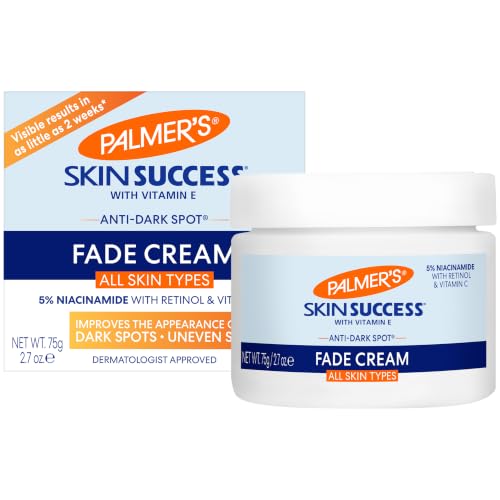
Skin Lightening Cream: Your Complete Guide to Even, Radiant Skin
Struggling with dark spots, hyperpigmentation, or uneven skin tone? We break down the best skin lightening creams, key ingredients, safety tips, and how to choose the right one for your skin type.
Skin lightening creams are among the most sought-after skincare products globally. Whether you're dealing with sun damage, melasma, acne scars, or simply want a more even complexion, the right formula can make a significant difference. But with countless options on the market, finding a safe, effective, and trustworthy product can feel overwhelming.
This guide cuts through the noise. We’ll explore the science behind skin lightening, highlight the most effective ingredients, debunk common myths, and recommend products that deliver real results. By the end, you’ll have all the knowledge you need to make a confident purchase.
What Is Skin Lightening Cream?
A skin lightening cream (also called a brightening cream or depigmenting cream) is a topical product formulated to reduce the appearance of dark spots, hyperpigmentation, and uneven skin tone. These creams work by inhibiting the production of melanin—the pigment responsible for skin color—or by accelerating cell turnover to reveal newer, lighter skin cells.
Unlike bleaching agents that can be harsh and damaging, modern skin lightening creams are designed to be gentle, often incorporating natural extracts and advanced dermatological compounds. They can be used on the face, body, or specific areas like elbows and knees.
If you're new to this, you might also want to explore our getting started guide for a broader skincare foundation. For targeted concerns like acne scars, check out our guide on treating dark spots.
Key Ingredients That Work
Top Performers
- Vitamin C (L-ascorbic acid) – Brightens and evens tone; powerful antioxidant.
- Niacinamide (Vitamin B3) – Reduces dark spots, improves barrier function.
- Alpha Arbutin – A natural hydroquinone alternative; gentle yet effective.
- Kojic Acid – Derived from fungi; inhibits tyrosinase, brightens skin.
- Tranexamic Acid – Targets melasma and stubborn pigmentation.
- Retinoids (Retinol, Adapalene) – Speed up cell turnover, fade pigmentation.
For a deeper dive into ingredient science, see our antioxidant serum guide and alpha arbutin explainer.
Ingredients to Avoid
- Hydroquinone (high concentration) – Can cause ochronosis (blue-black discoloration) and is banned in many countries.
- Mercury – Toxic, illegal in most regions, but still found in some unregulated products.
- Steroids (clobetasol, betamethasone) – Thins skin, causes rebound pigmentation.
- Parabens & Phthalates – Potential endocrine disruptors; opt for paraben-free.
Always check the ingredient list. For a comprehensive list of clean options, visit our clean beauty product guide.
How to Choose the Right Cream
Selecting the best skin lightening cream depends on your skin type, the severity of pigmentation, and your lifestyle. Here are key factors to consider:
- Skin Type: Oily skin may prefer a gel or serum, while dry skin benefits from richer creams.
- Sensitivity: If you have sensitive skin, start with milder ingredients like niacinamide or licorice extract.
- Sun Exposure: Always pair with a high-SPF sunscreen (SPF 30+). Many products are designed for nighttime use.
- Budget: Effective options exist at every price point. Don't assume expensive equals better.
For daytime protection, consider a body sunscreen or a daily facial sunscreen. If you're dealing with post-acne marks, our acne-prone skin guide offers additional strategies.
Safety & Side Effects
💡 Tip: Always perform a patch test before using any new product. Apply a small amount to your inner arm and wait 24 hours to check for irritation.
Most modern skin lightening creams are safe when used as directed. However, some users may experience:
- Mild redness or peeling – Especially with retinoids or acids; start slowly (every other night).
- Increased sun sensitivity – Always use sunscreen; otherwise, pigmentation may worsen.
- Allergic reactions – Rare, but discontinue use if you experience severe itching or swelling.
If you have a history of skin conditions or are pregnant, consult a dermatologist before starting any new treatment. For more on skin health, read our non-toxic skincare guide.
How to Apply for Best Results
- Cleanse your face with a gentle cleanser. (See our daily facial cleanser recommendations.)
- Tone to balance pH (optional).
- Apply a pea-sized amount of lightening cream to dry skin, focusing on dark spots.
- Massage gently until absorbed. Wait 2–3 minutes before applying other products.
- Moisturize if needed, especially for dry skin.
- Sunscreen is non-negotiable in the morning.
Consistency is key. Most products take 4–8 weeks of daily use to show visible results. For an all-in-one routine, check our complete skincare routine guide.
Frequently Asked Questions
Can skin lightening cream make my skin lighter permanently?
No. Results are temporary and require maintenance. If you stop using the product, pigmentation may slowly return due to sun exposure and natural melanin production.
Is it safe to use on my body (arms, legs)?
Yes, but body skin is thicker, so you may need a stronger formulation. Always patch-test first. For body-specific products, see body lotion and body sunscreen.
Can I use it with retinol or vitamin C?
Yes, but introduce them gradually to avoid irritation. Vitamin C is best in the morning, retinol at night. Our antioxidant serum guide offers more details.
Final Verdict
Finding the right skin lightening cream is about understanding your skin and choosing ingredients that are both effective and safe. Whether you opt for a vitamin C serum, a niacinamide cream, or a combo product, patience and sunscreen are your best allies. The products recommended below have been carefully selected for their quality, safety, and proven results.
Ready to buy? Explore our top picks below and start your journey to brighter, more even-toned skin.