Understanding Black Spots on the Face: Causes, Treatments & Prevention
Black spots, dark patches, and hyperpigmentation can be frustrating. This comprehensive guide explains why they appear and how to effectively treat them with proven skincare solutions.
Shop Recommended ProductsWhat Are Black Spots on the Face?
Black spots on the face, also known as hyperpigmentation, are areas of skin that become darker than the surrounding skin due to an excess production of melanin. They can appear as small freckle-like dots, larger patches, or uneven skin tone. While generally harmless, they can be a cosmetic concern for many people.
Understanding the root cause of your black spots is the first step toward effective treatment. Whether they are sun-induced, hormonal, or the result of acne scarring, there are proven strategies to fade them and achieve a more even complexion.
Common Causes of Black Spots
1. Sun Exposure (Sun Spots / Solar Lentigines)
Prolonged exposure to ultraviolet (UV) rays triggers melanocytes to produce more melanin as a protective response. Over time, this can lead to the formation of sun spots, which are flat, brown, or black spots that often appear on areas frequently exposed to the sun, such as the face, hands, and shoulders. This is one of the most common causes of dark spots.
2. Hormonal Changes (Melasma / Chloasma)
Hormonal fluctuations, particularly during pregnancy, from birth control pills, or hormone replacement therapy, can cause melasma. This condition results in brown to gray-brown patches, typically on the cheeks, bridge of the nose, forehead, chin, and above the upper lip. It is more common in women and can be triggered by sun exposure.
3. Post-Inflammatory Hyperpigmentation (PIH)
Acne, burns, cuts, or other skin injuries can leave behind dark marks as the skin heals. This is known as post-inflammatory hyperpigmentation. When the skin experiences inflammation, melanocytes can be overstimulated, leading to excess pigment production. These spots can be pink, red, brown, or black and are common in people with darker skin tones.
4. Aging (Age Spots / Liver Spots)
As we age, skin cells regenerate more slowly, and melanin production can become uneven. Age spots are a natural part of aging and are often found on areas that have had significant sun exposure over the years.
5. Medications & Other Factors
Certain medications, such as some antibiotics, anti-malarial drugs, and chemotherapy drugs, can cause hyperpigmentation as a side effect. Medical conditions like hemochromatosis (iron overload) and Addison's disease can also affect skin pigmentation.
How to Treat and Fade Black Spots
Treating black spots requires a multifaceted approach. The best strategy combines sun protection, topical treatments, and professional procedures for faster results.
1. Sun Protection is Essential
Daily use of a broad-spectrum sunscreen with SPF 30 or higher is non-negotiable. Sun exposure can darken existing spots and undo progress from treatments. Choose a sunscreen suitable for sensitive skin and reapply every two hours when outdoors.
2. Topical Skincare Ingredients That Work
- Vitamin C Serum: A potent antioxidant that inhibits melanin production and brightens the skin. A Vitamin C serum for sensitive skin can be a game-changer.
- Retinoids (Retinol): Accelerate cell turnover, helping to shed pigmented cells and promote new, healthy skin growth. Start with a low concentration to avoid irritation.
- Niacinamide: Reduces inflammation and inhibits the transfer of melanin to the upper layers of the skin, helping to fade dark spots.
- Alpha Hydroxy Acids (AHAs) & Beta Hydroxy Acids (BHAs): Exfoliate the skin's surface, removing dead skin cells and improving the appearance of dark spots. A salicylic acid cleanser can also help with acne-related marks.
- Hydroquinone: A skin-lightening agent that can be very effective for severe hyperpigmentation. It should be used under the guidance of a dermatologist.
- Licorice Extract, Kojic Acid, and Azelaic Acid: Gentle, natural alternatives that help brighten the skin and even out skin tone.
3. Professional Treatments
- Chemical Peels: Remove the outer layer of skin to reveal lighter skin underneath.
- Laser Therapy: Targets and breaks down melanin in the skin.
- Microdermabrasion: A less invasive exfoliation treatment that can help fade superficial spots.
- Microneedling: Stimulates collagen production and can improve the appearance of pigmentation, especially when combined with topical serums.
Consult a Dermatologist: If over-the-counter products are not effective, or if your dark spots are large, changing, or accompanied by other symptoms, it's important to consult a dermatologist. They can provide a proper diagnosis and recommend the most effective treatment plan. You can find a skin care clinic near you for professional advice.
Preventing Future Black Spots
- Apply Sunscreen Daily: Make sunscreen a non-negotiable part of your morning routine.
- Wear Protective Clothing: Hats and sunglasses can protect your face from harmful UV rays.
- Use Antioxidants: Incorporate Vitamin C serum for skin to help protect against environmental damage.
- Treat Acne and Skin Injuries Promptly: Avoid picking at blemishes or scabs to minimize the risk of PIH.
- Follow a Consistent Skincare Routine: Regular exfoliation and moisturizing can keep your skin healthy and resilient.
Lifestyle Changes and Home Remedies
While professional and over-the-counter products are the most effective, certain lifestyle changes can support your skin health.
- Diet: A diet rich in antioxidants, vitamins, and minerals can support overall skin health. Foods high in Vitamin C, E, and beta-carotene can be beneficial. A skin-health diet can make a difference.
- Hydration: Drinking plenty of water keeps your skin hydrated and helps flush out toxins.
- Gentle Skincare: Avoid harsh scrubs that can irritate the skin and worsen pigmentation. Use gentle cleanser for sensitive skin to maintain your skin barrier.
- DIY Masks: Natural ingredients like aloe vera, turmeric, and yogurt have mild brightening properties, though they are not as potent as clinical ingredients. You can find many DIY face mask recipes online.
Frequently Asked Questions About Black Spots on the Face
Q: Can black spots on the face be completely removed?
A: With consistent treatment and sun protection, most black spots can be significantly faded or even completely removed. The time frame varies depending on the type, depth, and cause of the pigmentation.
Q: How long does it take for dark spots to fade?
A: Superficial spots may fade in a few weeks with the right products, while deeper pigmentation can take several months of consistent treatment.
Q: Are black spots a sign of skin cancer?
A: While most black spots are harmless, any new, changing, or unusual-looking spot should be examined by a dermatologist. Look for the ABCDEs (Asymmetry, Border, Color, Diameter, Evolving) and consult a professional if you have concerns.
Q: What is the best over-the-counter product for black spots?
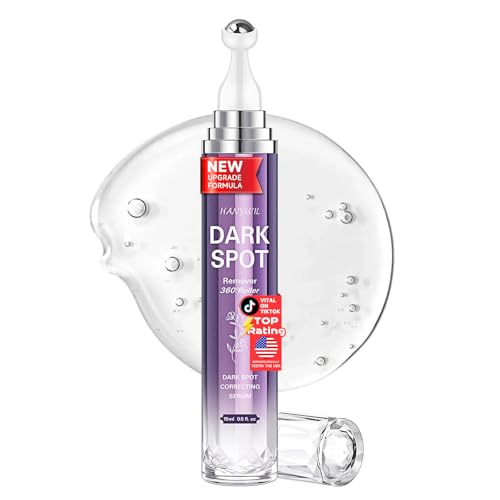
A: Products containing Vitamin C, retinol, and niacinamide are excellent starting points. A dedicated dark spot remover for face can be a targeted solution. However, the "best" product depends on your skin type and the cause of your spots.
Your Journey to Clearer Skin Starts Here
Black spots on the face are a common and treatable skin concern. By understanding the root cause and adopting a consistent skincare routine that includes sun protection, targeted treatments, and professional guidance when needed, you can achieve a clearer, more even complexion.
Ready to take the next step? Explore our selection of recommended products below and start your journey today.