
Winged Eyeliner for Downturned Eyes
Learn how to draw a lifting, flattering wing that opens up downturned eyes. Expert techniques, product guidance, and a step-by-step method you can follow at home.
START THE GUIDEIf you have downturned eyes, you've probably tried a classic cat-eye and wondered why it made your eyes look sad or heavy instead of lifted. The good news is that a winged eyeliner for downturned eyes is absolutely achievable — it just requires a slightly different angle and placement than the standard tutorial. This guide walks you through the exact technique, the products that make it easier, and the mistakes to avoid.
Whether you're a beginner or a seasoned makeup wearer, the method below will help you create a wing that flatters your natural eye shape. If you want to explore the broader category first, our winged eyeliner guide covers the fundamentals, while this page focuses specifically on the downturned variation.
Understanding Downturned Eyes
Downturned eyes are characterized by an outer corner that slopes downward relative to the inner corner. This is a beautiful, expressive eye shape, but it does mean that certain eyeliner styles can work against you if placed incorrectly. The goal with winged eyeliner for downturned eyes is to create an upward lift at the outer corner without making the liner look disconnected from the lash line.
There are a few common sub-variations: some people have a pronounced downturn, while others have a subtle slope. The technique below works for both, but you may need to adjust the angle and thickness based on how strong your downturn is. If you're also working on your overall brow and eye framing, see our guide to eyebrow shape for complementary tips.
The Right Wing Angle for Downturned Eyes
The single most important element is the angle of the wing. Instead of following the natural downward slope of your outer corner, you want the wing to point upward and outward toward the tail of your eyebrow. Think of an imaginary line from the outer corner of your eye to the outer tip of your brow — that's your guide.
Here's a simple way to visualize it:
- Wrong: Wing extends straight out or downward, following the eye's natural slope.
- Right: Wing flicks slightly upward, ending in line with the brow tail.
- Best: Wing starts thin at the outer third of the lash line and tapers to a fine point, with a subtle upward angle.
Keeping the wing relatively thin and precise is key. A thick, heavy wing can overwhelm downturned eyes and create a "dragging" effect. If you prefer a bolder look, build the thickness gradually and keep the tip sharp. For inspiration on complementary eye makeup styles, browse our makeup looks collection.
Step-by-Step: Winged Eyeliner for Downturned Eyes
Follow these steps for a clean, lifting wing. You'll need a fine-tipped liquid or gel eyeliner, a small angled brush, and a cotton swab for corrections.
- Prep the eyelid. Apply an eye primer and set it with a light dusting of translucent powder. This prevents smudging and gives the liner a smooth surface to grip. Avoid heavy moisturizer directly on the lid.
- Tightline the upper lash line. Using a pencil or gel liner, fill the spaces between the lashes from the inner corner to the outer corner. This makes the lash line look fuller and creates a seamless base for the wing.
- Map the wing angle. Place a small dot at the outer corner of your eye, then another dot slightly above and outward — aligned with the tail of your brow. Connect the dots mentally to visualize the upward angle.
- Draw the wing first. Starting from the outer dot, draw a fine line back toward the outer third of your lash line. Keep the line thin and tapered. This is the skeleton of your wing.
- Connect to the lash line. Fill in the triangle between the wing and the lash line, but only at the outer third. Keep the inner two-thirds of the lash line thin — this is what creates the lifting effect.
- Refine and sharpen. Use a small angled brush dipped in a tiny amount of concealer to clean up the underside of the wing for a crisp edge. Sharpen the tip with the liner pen if needed.
- Set the wing. Lightly press a matching matte eyeshadow over the wing with a small brush to lock it in place and prevent transfer throughout the day.
Quick Tips for a Flattering Wing
- Keep the wing short and subtle if you have a strong downturn — a long wing can look dramatic but harder to control.
- Angle the wing toward the brow tail, not toward the temple.
- Use a fine-tipped pen for precision; chisel-tip markers are harder to control for this shape.
- Practice on a bare face first, then add the rest of your makeup.
- If you make a mistake, correct with a pointed cotton swab dipped in micellar water.
Choosing the Right Eyeliner Formula
The formula you choose affects how easy the wing is to draw and how long it lasts. Here's a comparison of the main options:
| Formula | Best For | Control & Precision | Longevity |
|---|---|---|---|
| Liquid pen | Beginners and precise wings | High — fine tip gives clean lines | Long-wearing, often waterproof |
| Gel pot + brush | Intermediate users who want intensity | High — adjustable with brush angle | Excellent, especially waterproof gels |
| Pencil | Soft, smudged looks | Moderate — harder to get a sharp tip | Shorter, requires setting |
| Felt-tip pen | Quick everyday wings | Good — consistent line width | Moderate to long |
If you're shopping for a reliable liner, our roundup of the top-rated waterproof liquid eyeliner covers formulas that hold up well for downturned eye shapes, where smudging at the outer corner is a common concern. For a softer everyday option, a smudge-proof pencil paired with a setting powder works well too.
Product Tiers: What to Expect at Each Level
Eyeliner formulas vary widely in performance, and it helps to understand what you get at each tier. Here's a neutral breakdown without pricing — use it to match your needs and budget style.
Budget-Friendly
Entry-level liners can work well for practice and everyday wear. Expect decent pigmentation and moderate longevity; you may need to set with powder and reapply on long days. Fine tips are less consistent, so look for a pen with a firm, tapered tip.
Mid-Range
Mid-tier liners typically offer smoother application, better tip precision, and improved water resistance. This is the sweet spot for most people — reliable enough for daily use without a premium commitment.
Premium
High-end formulas often feature ultra-fine tips, fast-drying ink, and long-wear technology that resists smudging even on hooded or oily lids. If you wear winged liner daily and want consistent results, this tier is worth considering.
For a closer look at specific recommendations, see our guide to the top-rated waterproof liquid eyeliner, which compares options across tiers. You can also explore vegan and cruelty-free makeup if ethical sourcing matters to you.
Common Mistakes to Avoid
Even with the right angle, a few common errors can undermine the lifting effect. Watch out for these:
- Following the natural downturn. This is the most common mistake — it makes the eye look heavier and sadder.
- Making the wing too thick. A heavy wing overwhelms the eye and looks disproportionate on downturned shapes.
- Starting the wing too far inward. Begin at the outer third of the lash line, not the middle, to keep the lift focused.
- Skipping primer. Without a base, liner can migrate into the outer corner and smudge.
- Using a dull or frayed tip. A worn pen makes a clean, sharp tip nearly impossible. Replace pens when the tip stops tapering.
If you're also considering other eye-enhancing treatments, our overview of volume lashes and wispy lashes can help you decide whether lash enhancements complement your liner routine. For a fuller glam look, see our smokey eyes tutorial.
Winged Eyeliner for Downturned Eyes: FAQ
What is the best eyeliner style for downturned eyes?
A subtle, upward-angled wing that starts at the outer third of the lash line works best. Avoid thick, straight wings that follow the natural downward slope, as these can drag the eye down further. A soft, slightly lifted flick paired with tightlining creates a natural eye-opening effect.
Where should the wing point for downturned eyes?
The wing should angle toward the tail of your eyebrow or the outer corner of your brow. This creates an upward visual line that counters the downward pull of the eye shape. Never let the wing follow the natural downturn of the outer corner.
Should I use liquid or pencil eyeliner for downturned eyes?
Liquid or gel liner gives the crispest, most defined wing and is easier to control for precise angles. Pencil works well for a softer, smudged look but requires more careful blending to avoid looking heavy. For beginners, a fine-tipped liquid pen is often the most forgiving.
How do I prevent my winged eyeliner from smudging?
Start with an oil-free eye primer, set the lid with translucent powder, and choose a waterproof or long-wear formula. Avoid applying liner to a moisturized or oily lid, and consider setting the wing with a matching eyeshadow.
Can I wear winged eyeliner with hooded downturned eyes?
Yes. Keep the wing thin and focus the liner on the outer third, and consider a "batwing" or straight-wing variation that sits above the hood. Avoid drawing the liner too thick across the entire lid, which can transfer onto the hood.
Complementary Eye Makeup
Winged liner works best when it's part of a cohesive eye look. For downturned eyes, focus on opening up the eye area with light, brightening shades on the inner corner and lid, and deeper tones on the outer third to enhance the lift. A coat of lengthening or volume mascara on the upper lashes further opens the eye, while a soft line on the lower lash line — kept to the outer half — balances the look.
If you're building a full makeup kit, our guides to eyeshadow brushes and makeup brushes can help you choose the right tools for blending and precision. For travel or storage, a makeup bag keeps your liner and brushes organized. And if you want to explore other liner techniques, browse our winged eyeliner guide for variations like the floating wing and the puppy wing.
Final Thoughts
Winged eyeliner for downturned eyes is all about the angle. By aiming the wing upward toward the brow tail, keeping the line thin at the inner two-thirds, and setting the formula with a powder, you can create a lifting effect that flatters your natural eye shape.
Start with a fine-tipped liquid or gel liner, practice the mapping technique on a bare lid, and refine with a concealer cleanup. With a little patience, a well-placed wing becomes second nature — and you'll wonder why you ever struggled with the standard cat-eye.
Ready to explore more beauty techniques? Visit our getting started guide for a full overview of skincare, makeup, and haircare fundamentals, or browse the makeup section for more tutorials.
Recommended Eyeliners & Eye Makeup for Downturned Eyes
⚠️ AFFILIATE DISCLOSURE: This website contains affiliate links. As an Amazon Associate, we earn from qualifying purchases. If you make a purchase through these links, we may receive a small commission at no additional cost to you. Read our full affiliate policy.

iMethod Winged Eyeliner Stamp, Waterproof & Smudge-proof, 2 Pens 10 mm New
Check price on Amazon
Dual Ended Liquid Eyeliner, Wing Stamp & Felt Tip, Black Cat Eye Liner Pen | 8mm stamp for everyday light makeup
Check price on Amazon
iMethod Winged Eyeliner Stamp, Waterproof & Smudge-proof, 2 Pens, 8 mm New
Check price on Amazon
ONarisae Eyeliner Stamp Double-sided Liquid, Winged, Smudgeproof, Black
Check price on Amazon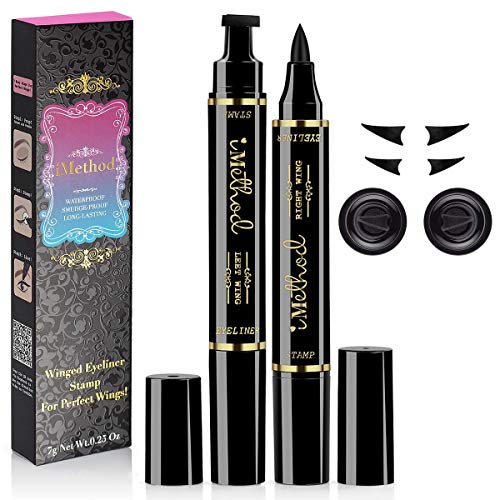
iMethod Winged Eyeliner Stamp, Waterproof & Smudge-proof, 2 Pens, 10 mm
Check price on Amazon
L'Oreal Paris Makeup Infallible Flash Cat Eye Waterproof Liquid Eyeliner, Black, 0.44 oz.
Check price on Amazon
IDDFEVE 4 Pcs Eyeliner Stencils for Cat Eye Winged and Smokey Eyeshadow Applicators Shaper Tool Guide (10 Different Effects)
Check price on Amazon
The Flick Stick Winged Eyeliner Stamp For Quick and Easy Cat Eye Makeup, SmudgeProof & Waterpoof Eye Liner Cat Eye Stencil Makeup Tool, Wingliner, Liquid Eyeliner Pens (8mm Mini, Midnight Black)
Check price on AmazonDisclaimer
BeautyTipsGuide provides educational content only. Not a substitute for professional medical advice. Always patch-test new products and consult a dermatologist for skin concerns. Some content may use AI. We are not responsible for adverse reactions. By using this site, you accept these terms. If you do not agree, please leave this website and discontinue its use. Read full disclaimer.