Under Eye Corrector for Dark Circles
Your complete guide to choosing and using the best color corrector to banish dark circles and brighten your under-eye area.
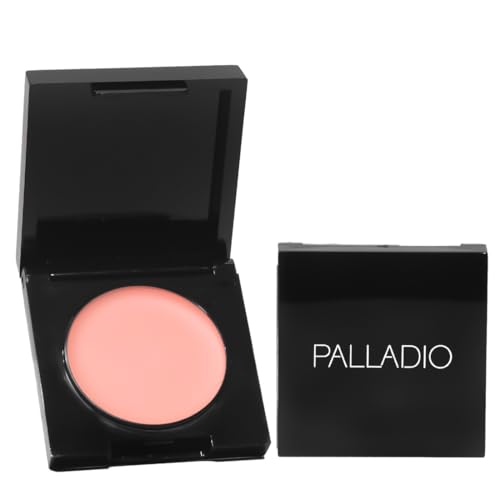
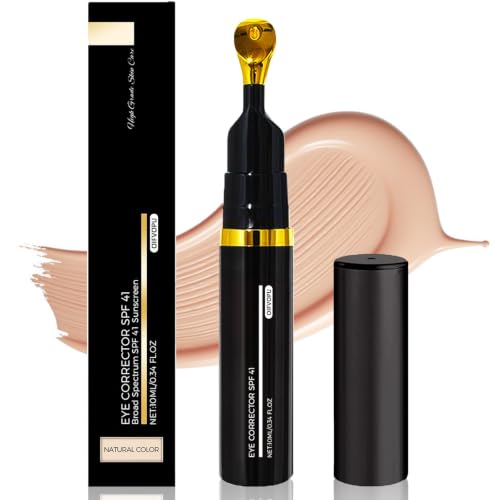
Explore Beauty TipsWhat is an Under Eye Corrector? A color corrector is a targeted product designed to neutralize specific discoloration. For dark circles, a peach or orange-toned corrector counteracts the blue or purple hues, creating a flawless base for concealer. Unlike a concealer which provides coverage, a corrector works with color theory to cancel out unwanted tones.
Understanding Dark Circles: Causes and Solutions
Dark circles are a common concern caused by a combination of factors including genetics, thinning skin, pigmentation, and lifestyle habits. As we age, the skin under our eyes becomes thinner, making the underlying blood vessels more visible. Allergies, lack of sleep, and dehydration can also exacerbate the appearance of dark circles. An under eye corrector for dark circles is specifically formulated to address these issues.
While a good eye cream can help with hydration and firmness, a color corrector offers immediate, visible results. For those with deeper or more pigmented dark circles, a corrector is an essential step in any makeup routine. It works best when paired with a concealer that matches your skin tone, ensuring a seamless, brightened finish.
How to Choose the Right Under Eye Corrector
Selecting the correct shade is crucial. The general rule of thumb is to use a shade opposite your discoloration on the color wheel. For most skin tones, dark circles appear blue or purple, so a peach or salmon corrector is ideal. If you have fair skin, a light peach or pink corrector works well. For medium to tan skin, a salmon or light orange corrector is more effective. Deeper skin tones with very dark or purple circles often benefit from a vibrant orange or red-orange corrector.
When choosing a formula, consider your skin type. A creamy, hydrating corrector is excellent for dry or mature skin, as it won't settle into fine lines. For oily skin, a lightweight, liquid or stick formula with a matte finish may be preferable. You can also find correctors with added skincare benefits like vitamin C or hyaluronic acid to treat the area over time. If you're looking for a multi-tasking product, a peach concealer combines color correction and coverage in one step.
Step-by-Step Application Guide
Applying an under eye corrector correctly is just as important as choosing the right product. Follow these steps for the best results:
- Prep the Skin: Start with a hydrating eye cream to smooth the skin and prevent the corrector from looking cakey. Allow it to absorb for a few minutes.
- Apply the Corrector: Using your ring finger or a small concealer brush, apply the corrector only to the dark areas—typically the inner corner and any shadowy parts. Avoid the entire under-eye area to keep it looking natural.
- Blend Gently: Pat the product in with your ring finger using a dabbing motion. The warmth of your finger helps the product melt into the skin. Avoid rubbing, as this can cause creasing.
- Apply Concealer: Once the corrector is blended, apply a concealer that matches your skin tone over the top. This will provide coverage and brighten the area.
- Set with Powder: To ensure long-lasting wear, set the under-eye area with a light dusting of translucent powder. This helps prevent creasing throughout the day. For more tips on the perfect base, explore our guide on translucent powder and setting powder.
Key Ingredients to Look For
Hydrating Agents
Ingredients like hyaluronic acid and glycerin keep the under-eye area moisturized, preventing the corrector from settling into fine lines. This is especially beneficial for mature or dry skin types.
Brightening Complex
Look for correctors that include vitamin C or niacinamide. These ingredients help to brighten the skin over time, reducing the appearance of dark circles with continued use.
Lightweight Texture
A lightweight, buildable formula is key. It should provide enough pigment to correct discoloration without feeling heavy or looking mask-like on the skin.
Long-Lasting Wear
Many correctors are now formulated to be waterproof or smudge-proof, ensuring your under-eye area stays bright and fresh for hours. This is perfect for those with busy lifestyles.
When shopping for a corrector, consider whether you want a product that is primarily for correction or one that also offers skincare benefits. For those with sensitive skin, it's wise to look for fragrance-free and hypoallergenic options. If you're also considering other eye products, you might find our guide on lash serum for sensitive eyes helpful for your overall eye care routine.
Under Eye Corrector vs. Concealer: What's the Difference?
While they are often used together, a corrector and a concealer serve different purposes. A color corrector is meant to neutralize discoloration using color theory. It's the first step in the process to balance out the skin tone. A concealer, on the other hand, is designed to match your skin tone and provide coverage over the corrected area. If you have mild dark circles, a concealer alone might be enough. However, for more prominent circles, using both a corrector and a concealer will give you the most flawless and natural-looking result. For a complete guide on various skin care products, check out our article on the top skin care products.
Expert Tips for a Flawless Finish
- Less is More: Apply a thin layer of corrector. You can always build it up if needed, but starting with a small amount prevents a heavy, cakey look.
- Use the Right Tools: While your fingers are a great tool, using a small, dense concealer brush can offer more precise application, especially if you have specific areas of discoloration.
- Consider Your Lighting: Apply your makeup in natural light to see the true effect of your corrector and concealer. This will ensure you don't overdo it.
- Set Immediately: Set your corrector and concealer with a powder immediately after blending to lock everything in place and prevent creasing.
- Pair with Skincare: For a long-term solution, combine your corrector with a good eye cream. A product like an eye cream for bags can help reduce puffiness and improve skin texture over time.