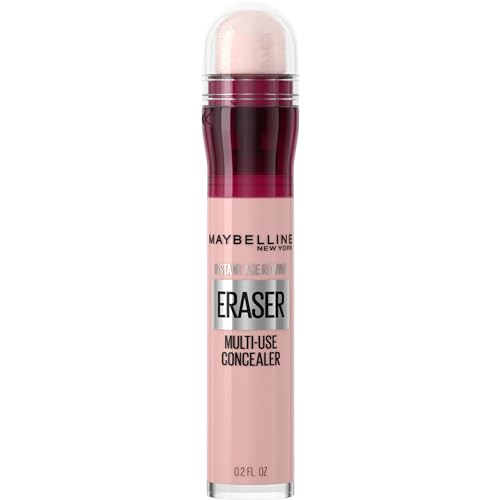
Peach Concealer for Dark Circles: Your Complete Guide
Learn how peach and salmon-toned concealers neutralize dark undereye circles. Discover expert tips for choosing the right shade, application techniques, and the best products for your skin type.
START YOUR BEAUTY JOURNEYWhy Peach Concealer Works: Dark circles often have blue or purple undertones. Peach and salmon pigments are opposite on the color wheel, effectively neutralizing those shadows for a bright, well-rested look.
Understanding Peach Concealer
Dark circles can be caused by a variety of factors including genetics, lack of sleep, allergies, and thinning skin. While a traditional concealer can help cover them, a peach concealer works by color-correcting the underlying blue or purple tones. This technique is a game-changer for achieving a truly bright and even undereye area.
Choosing the right shade of peach is crucial. The goal is to neutralize without leaving a peachy or orange cast. For fair to light skin tones, a soft peach or pink-peach is ideal. For medium skin, a salmon or apricot tone works best, while deeper skin tones benefit from a rich orange or deep peach corrector. This is the foundational principle behind effective undereye treatments and color correction.
How to Apply Peach Concealer
Step-by-Step Application Guide
- Prep the Skin: Start with a hydrating eye cream. This helps the concealer glide on smoothly and prevents creasing. Proper hydration is key for dry eyelids and the delicate undereye area.
- Apply the Corrector: Using a small brush or your ring finger, apply the peach corrector only to the dark areas. The ring finger applies gentle pressure, warming the product for seamless blending.
- Blend, Don't Rub: Gently pat and blend the product into the skin using a dabbing motion. Rubbing can tug at the delicate skin and create streaks.
- Set with Powder: Lightly dust a translucent powder to set the corrector. This prevents creasing and ensures long-lasting wear. This technique pairs well with a quality setting powder for a flawless finish.
- Layer Your Concealer: For full coverage, apply your regular skin-toned concealer over the peach corrector. This brightens the area while providing a natural finish.
Choosing the Right Shade
Selecting the correct peach shade is essential for achieving a natural look. Here’s a simple guide to help you find your match:
- Fair to Light Skin: Look for a soft, pale peach or a pink-peach. This provides gentle correction without looking too orange.
- Medium to Olive Skin: A salmon or apricot corrector is your best bet. These shades offer a stronger peach pigment to counteract more pronounced blue/purple tones.
- Tan to Deep Skin: Opt for a rich orange or a deep, warm peach. These highly pigmented shades are necessary to cancel out dark shadows on melanin-rich skin.
If you have persistent dark circles, consider pairing your peach concealer with a dedicated under-eye corrector for enhanced coverage.
Pro Tips for Long-Lasting Wear
- Prime Your Eyes: Use an eye primer to create a smooth canvas and help your corrector and concealer adhere better. This step is crucial for face primer application around the eye area.
- Don't Over-Apply: A little goes a long way. Start with a small amount of product and build up as needed to avoid a cakey finish.
- Use a Damp Sponge: For a sheer, natural look, apply the concealer with a damp beauty sponge. This sheers out the product and ensures it melts into the skin.
- Apply in Natural Light: Undereye concealer can look different in various lighting. Apply in natural daylight to ensure the shade and coverage are flattering.
- Keep It Clean: Regularly clean your makeup tools and sponges to prevent breakouts and ensure a smooth application. Clean tools are essential for makeup brushes and sponges.
For a quick refresh throughout the day, gently tap the area with your ring finger. Avoid rubbing, which can disrupt the product.
Common Mistakes to Avoid
- Using the Wrong Shade: A peach that is too light will look ashy, while one that is too dark can appear orange. Always test shades in natural light.
- Skipping Moisturizer: Dry undereyes will make any concealer crease and look cakey. Always hydrate the area before application.
- Applying Too Close to the Lash Line: Focus the product on the dark crescent under your eye. Applying too close to the lower lash line can make your eyes look smaller.
- Not Letting it Set: Rushing to apply your skin-toned concealer over the corrector before it dries can result in mixing and a muddy appearance. Allow a few seconds for the corrector to settle.
- Using Too Much Product: Layering on excessive product often leads to creasing and caking. Build coverage gradually.
Frequently Asked Questions
- Can I use peach concealer alone? Yes, if you have relatively mild dark circles, a peach corrector alone can provide sufficient color correction and coverage.
- What if I have very dark circles? For severe dark circles, use a peach corrector as a base and follow with a full-coverage concealer that matches your skin tone.
- Is peach concealer good for mature skin? Absolutely. It's excellent for mature skin as it brightens without looking heavy. Pair it with a hydrating eye cream to prevent creasing. A cream-based foundation is also a great complement for a youthful look.
- Can I use a peach corrector on acne? A peach corrector is generally used for undereye circles. For redness or acne, a green color corrector is more suitable.