Special Effects Makeup: The Complete Guide
From subtle character details to full prosthetics and horror looks — master the art of SFX makeup with our expert guide.
What is Special Effects Makeup?
Special effects (SFX) makeup is the art of creating illusions, injuries, fantasy characters, and non-human appearances using advanced cosmetics, prosthetics, and sculpting techniques. Unlike everyday beauty makeup, SFX focuses on transformation — whether for film, theater, cosplay, or Halloween. This guide covers everything from essential makeup artist tools to advanced techniques like prosthetics application and blood gel creation.
If you're a beginner, start with getting started with basic face paint and latex. For more advanced projects, you'll need costume makeup kits and specialized adhesives. This page is your roadmap to understanding the materials, techniques, and safety practices that every SFX artist should know.
Essential SFX Tools & Materials
Before you start, gather these core supplies. Investing in quality tools makes a significant difference in the final look and your comfort during application.
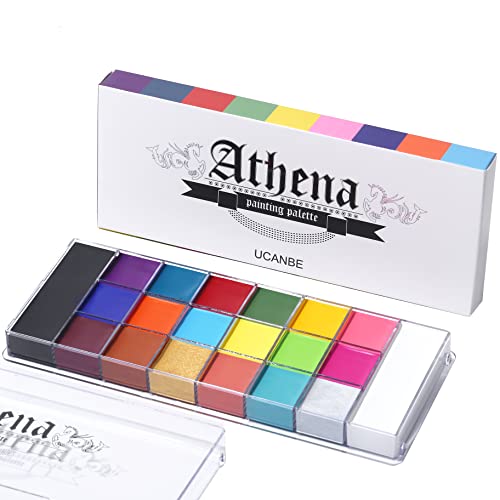
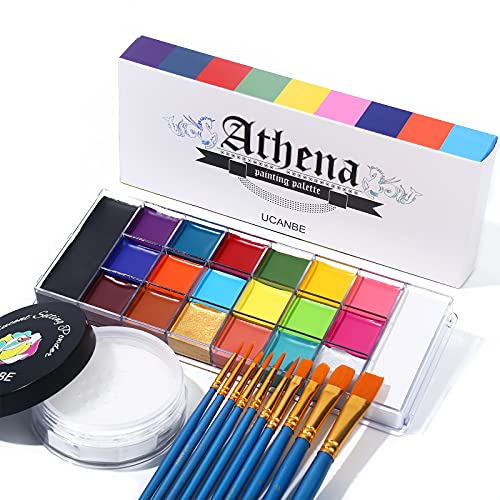
- Face & Body Paints: Water-based or alcohol-activated paints for full coverage and longevity. Look for palettes with a wide range of colors.
- Prosthetic Appliances: Pre-made or custom-molded pieces like scars, wounds, or fantasy features (elf ears, horns).
- Adhesives & Removers: Spirit gum, medical adhesive, and latex for attaching prosthetics; specialized removers for safe take-down.
- Brushes & Sponges: A variety of sizes, including fine-tip brushes for detail work and stipple sponges for texture.
- Fake Blood & Gels: Theatrical blood gels, stage blood, and thickening agents for realistic wounds.
- Setting Powders & Sprays: To lock in the design and prevent smudging during wear.
Prosthetics & Sculpting Techniques
Prosthetics are the heart of high-level SFX. You can create custom pieces using materials like special effects makeup clays, liquid latex, or silicone. For beginners, pre-made prosthetics are a great starting point. The application process involves:
- Preparation: Clean and dry the skin. Apply a barrier spray or adhesive primer.
- Adhesion: Apply prosthetic adhesive to both the appliance and the skin. Press firmly and hold until set.
- Blending: Use latex or modeling gel to blend the edges of the prosthetic into the skin. Stipple with a sponge for a seamless finish.
- Coloring: Paint over the prosthetic with SFX paints to match skin tone or create character-specific coloring.
- Texture & Details: Add texture with sponges or stippling, and use fine brushes for veins, wrinkles, or scar details.
For character makeup like fantasy creatures or aging effects, study the facial structure and use shading techniques to enhance the illusion. Tools like gua sha tools can also be used to create impressions and texture in clay before baking.
Creating Realistic Wounds & Injuries
Injury simulation is one of the most requested SFX skills. Whether for a horror film, Halloween party, or theatrical production, realistic wounds require layering and depth.
- Scars & Cuts: Use scar wax or rigid collodion to build up edges and create depth. Color with red, purple, and brown tones for a healing or fresh look.
- Bruises: Layer yellow, blue, purple, and green shades, blending with a sponge to mimic blood pooling under the skin.
- Blood Gels: Mix stage blood with corn syrup and food coloring for a thick, realistic flow. Apply with a brush or dropper for control.
- Burns & Abrasions: Use liquid latex to build skin texture, then add dark red and yellow tones for charred or raw skin effects.
Character & Fantasy Makeup
Beyond injuries, SFX is used to transform actors into fantastical beings: aliens, zombies, vampires, animals, and more. This requires a combination of prosthetics, paint, and often, specialized costume makeup techniques.
- Color Theory: Use complementary colors for striking contrasts. For example, green skin tones work well with dark purple shading.
- Facial Structure: Alter features using contouring, prosthetics, and shading. For example, enlarged brow ridges or sunken cheeks.
- Textures & Finish: Use matte powders for dry, old skin, and gloss or gel for wet, slimy, or fresh effects.
- Accessories: Enhance the look with face gems, fangs, contact lenses, and wigs.
For inspiration, study character designs from popular media and practice on friends or mannequin heads. The key to a believable character is consistency across the makeup, costume, and performance.
Safe Removal & Post-Makeup Care
Proper removal is just as important as application. Harsh adhesives and heavy paints can irritate skin if not removed carefully.
- Removers: Use designated adhesive removers (like Telesis or isopropyl myristate) for prosthetics. For paints, use a gentle oil-based cleanser or makeup remover.
- Cleanse: Follow up with a mild, non-comedogenic cleanser to remove all residue. Double cleansing is highly recommended.
- Sooth & Hydrate: Apply a soothing toner and a moisturizer with calming ingredients like centella asiatica or aloe vera to restore the skin barrier.
- Avoid Irritation: If you experience redness or breakouts, switch to hypoallergenic products and consider a sensitive skin care routine.
Start Your SFX Journey Today
Special effects makeup is a rewarding skill that blends artistry, technique, and a bit of science. Whether you're aiming for a career in film or just want to impress at your next event, the resources on this page will give you a solid foundation. Start with simple projects, practice your blending and coloring, and gradually work up to more complex prosthetics and character designs.
Explore our getting started guide for beginners, or dive into specific techniques like eye makeup for sensitive eyes if you're working on detailed eye effects. Remember, safety and creativity go hand in hand. With the right tools and knowledge, you can create anything you imagine.