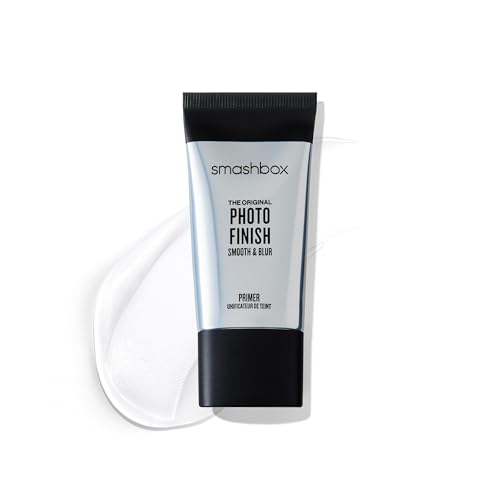
Primer Makeup: The Ultimate Guide to a Flawless Base
Discover everything you need to know about face primers: what they do, which type suits your skin, and how to apply them for a smooth, long-lasting finish.
What Is a Makeup Primer?
A makeup primer is a preparatory product applied after skincare and before foundation or concealer. Its primary purpose is to create an even, smooth canvas that helps makeup adhere better, last longer, and appear more flawless. Think of it as the base coat for your face – just like you wouldn’t paint a wall without priming it first, your makeup performs best when applied over a good primer.
Primers are versatile and come in a variety of formulas to address different skin concerns, from large pores and fine lines to dryness and excessive oil. Using the right primer can make the difference between makeup that fades after a few hours and a look that stays fresh from morning to night.
Key Benefits of Using a Face Primer
- Extends makeup wear: Primer creates a barrier between your skin and makeup, helping foundation and concealer stay put all day.
- Minimizes pores and fine lines: Many primers contain blurring ingredients that fill in imperfections, giving your skin a smoother appearance.
- Controls shine or adds glow: Depending on the formula, primers can either mattify oily skin or add a radiant, dewy finish for dry or dull skin.
- Helps makeup blend more easily: A smooth surface allows foundation, bronzer, and blush to glide on effortlessly without patchiness.
- Can include added skincare benefits: Many modern primers are infused with hydrating ingredients, antioxidants, or SPF for extra skin protection.
💡 Tip: For the best results, always wait 2–3 minutes after applying your moisturizer and sunscreen before applying primer. This allows your skincare to absorb fully and prevents pilling.
Types of Makeup Primers: Choose the Right One for Your Skin
Not all primers are the same. Choosing the right one depends on your skin type and the finish you want to achieve. Here are the most common types:
🔹 Mattifying Primer
Best for: Oily and combination skin. These primers are oil-absorbing and help control shine throughout the day. They often contain ingredients like silica or clay to keep the skin matte and prevent makeup from breaking down.
🔹 Hydrating Primer
Best for: Dry or dehydrated skin. Formulated with glycerin, hyaluronic acid, or squalane, these primers add moisture and give the skin a plump, dewy look. They prevent foundation from clinging to dry patches.
🔹 Pore-Filling & Smoothing Primer
Best for: Visible pores, fine lines, and uneven texture. Usually silicone-based, these primers blur imperfections and create a velvety surface. Perfect for those who want a flawless, airbrushed finish.
🔹 Illuminating Primer
Best for: Dull skin or those who want a radiant glow. These primers contain light-reflecting particles that give the skin a subtle luminosity. Ideal for special occasions or a fresh, dewy everyday look.
There are also color-correcting primers designed to neutralize skin discolorations: green primers counteract redness, peach or orange corrects dark circles, and lavender brightens sallow skin. If you have multiple concerns, you can even combine primers by applying them to different areas of the face.
How to Apply Primer: Step-by-Step Guide
Applying primer correctly is just as important as choosing the right one. Follow these steps for the best results:
- Start with a clean, moisturized face. Always apply primer after your moisturizer and sunscreen have fully absorbed.
- Dispense a small amount. A pea-sized amount is usually enough for the entire face. You can always add more if needed.
- Dot it on. Apply small dots of primer on your forehead, cheeks, nose, and chin.
- Blend it in. Use your fingers, a damp sponge, or a makeup brush to gently blend the primer outward. Make sure it's evenly distributed and avoid rubbing it in too aggressively.
- Wait 1–2 minutes. Give the primer a moment to set before applying foundation. This allows it to form a proper base.
🎯 Pro tip: If you have oily areas (like the T-zone) and dry cheeks, you can use a mattifying primer on your T-zone and a hydrating primer on your cheeks. This customized approach gives you the best of both worlds.
Remember, primer is not a substitute for proper skincare. It works best when your skin is already well-prepared. For a complete routine, explore our guides on skincare products and Korean skincare to build the perfect base.
Common Myths About Makeup Primer
- Myth: Primer is only for special occasions.
Truth: Using primer daily can significantly improve how your makeup looks and lasts, even for a natural "no-makeup" makeup look. - Myth: Primer is not necessary if you have good skin.
Truth: Even with good skin, primer can enhance the finish of your foundation and help it stay in place longer. - Myth: All primers are the same.
Truth: There is a wide variety of primers for different skin types and desired finishes. Choosing the right one is key to getting the best results.
Frequently Asked Questions
Do I need primer if I use BB cream or tinted moisturizer?
While not always necessary, a primer can still help your BB cream or tinted moisturizer last longer and apply more evenly.
Can I use primer without foundation?
Absolutely. If you want to even out your skin texture without full coverage, a smoothing or illuminating primer can be worn alone for a fresh, natural look.
Is primer suitable for sensitive skin?
Yes, but always choose a primer that is fragrance-free and formulated for sensitive skin. Look for ingredients like aloe vera or green tea that soothe the skin. You can also explore clean beauty makeup options that are gentle on sensitive skin.
Final Tips for Primer Perfection
- Less is more. Using too much primer can cause your makeup to slide off or pill. Start with a small amount and build up if necessary.
- Check the base. Make sure your primer and foundation have the same base (water-based or silicone-based) to prevent separation and pilling.
- Don't forget your eyelids. An eyeshadow primer is a great addition if you want your eye makeup to stay vibrant and crease-free all day.
- Store properly. Keep your primer in a cool, dry place away from direct sunlight to maintain its effectiveness.
Now that you're equipped with all the knowledge about primer makeup, it's time to find the perfect one for your routine. Below, we've curated a selection of top-rated primers that cater to different skin types and concerns. Explore the options and get ready to elevate your makeup game.