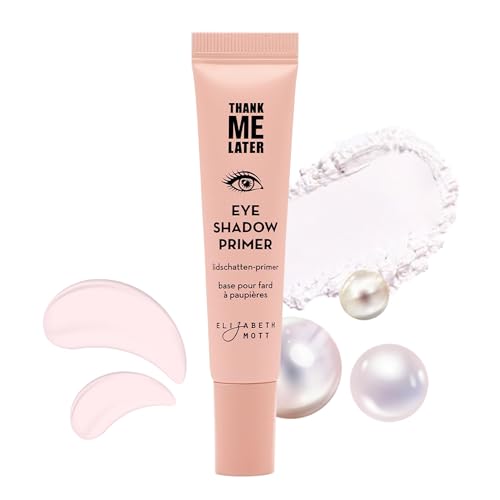
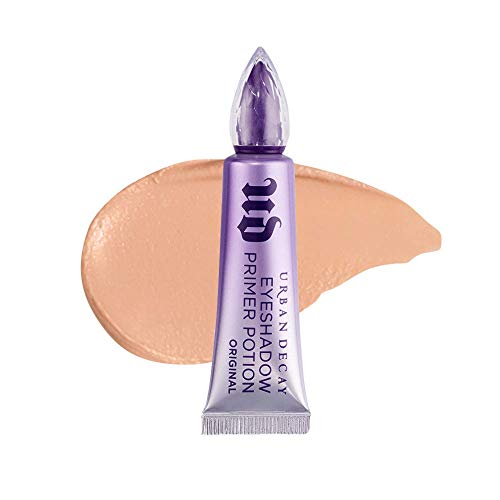
Eyeshadow Primer: The Secret to Crease-Proof, Vibrant Eye Makeup
Discover how the right primer transforms your eyeshadow – from color payoff to all-day wear. Your ultimate guide to choosing and applying the perfect base.
Eyeshadow primer is the unsung hero of any eye makeup look. Whether you're going for a subtle everyday shimmer or a dramatic smoky eye, a good primer ensures your eyeshadow stays vibrant, blendable, and crease-free for hours. But with so many formulas on the market – from hydrating to mattifying, tinted to transparent – it's easy to feel overwhelmed. This guide breaks down everything you need to know, so you can pick the perfect primer for your eyelids and application style.
Why You Need an Eyeshadow Primer
If you've ever experienced eyeshadow that fades, creases, or looks muddy by midday, a primer is the solution. Here’s what a quality eyeshadow primer does:
- Boosts color payoff: It creates a smooth, slightly tacky surface that grabs pigment, making even affordable shadows appear more vibrant.
- Prevents creasing: By absorbing excess oil and filling in fine lines, it stops shadow from settling into creases.
- Extends wear: It acts as a barrier between your skin's natural oils and the shadow, keeping your look intact for 8+ hours.
- Smoothes texture: It blurs imperfections and evens out the eyelid, providing a flawless canvas for blending.
Whether you have oily lids, dry skin, or mature eyes, there's a primer formulated for your needs. For a complete base routine, explore our guide to face primers as well.
How to Choose the Best Eyeshadow Primer
Selecting the right eyeshadow primer depends on your skin type, desired finish, and the type of eyeshadow you use. Here are the key factors to consider:
🛢️ Oily Lids
Look for oil-absorbing, mattifying primers with ingredients like silica or kaolin clay. They control shine and prevent creasing.
💧 Dry or Mature Lids
Choose hydrating, creamy primers with hyaluronic acid or vitamin E. They moisturize and prevent flakiness, while smoothing fine lines.
🎨 For Pigmented Shadows
Opt for a tinted primer (nude, white, or peach) to neutralize discoloration and make bright colors pop even more.
✨ For Glitter & Shimmer
A slightly tacky, glitter-grip primer helps metallic and glitter shadows adhere without fallout.
Many primers also double as a concealer base. If you're looking for a multi-purpose product, check out our recommended concealer brushes for seamless application.
Step-by-Step Application Guide
Application technique is just as important as the product itself. Follow these steps for a flawless base:
- Start with clean, dry lids: Remove any residual makeup or oil. A gentle cleanser works best.
- Use a small amount: A pea-sized drop for both eyes is usually enough. Too much can make shadows crease.
- Apply with your fingertip or a brush: Use your ring finger (gentlest pressure) or a flat synthetic brush to pat the primer evenly across the entire lid, up to the brow bone.
- Wait 30–60 seconds: Let the primer set until it feels slightly tacky but not wet. This ensures maximum grip.
- Set with translucent powder (optional): For oily lids, a light dusting of powder over the primer can add extra longevity.
For a complete eye look, pair your primer with our top eyeshadow palettes and professional eyeshadow brushes.
Types of Eyeshadow Primers
Not all primers are created equal. Here’s a breakdown of the most common types:
- Traditional cream primers: The most common, they come in tubes or pots and offer a balance of oil control and adhesion.
- Glitter glues: Specifically designed for loose pigments and glitter, these are extra tacky.
- Pencil or stick primers: Convenient for on-the-go, they glide on and can be blended with fingers.
- Color-correcting primers: Tinted (peach for dark circles, yellow for redness) to even out skin tone before shadow.
If you're new to eye makeup, start with a versatile cream primer. For more advanced techniques, explore our beginner-friendly makeup tutorials.
Common Mistakes to Avoid
Even the best primer can underperform if applied incorrectly. Avoid these pitfalls:
- Using too much product: A thick layer leads to creasing and caking. Start small and build if needed.
- Skipping the wait time: Applying shadow immediately on wet primer ruins blendability. Let it set.
- Not blending to the edges: If you don't cover the entire area where shadow will go, you'll get uneven color.
- Ignoring your skin type: Using a mattifying primer on dry lids can cause flakiness. Choose accordingly.
For a foolproof eye makeup routine, combine your primer with high-quality eye makeup products and waterproof eyeliners that won't budge.
Pro Tip: If you're in a rush, you can use a lightweight concealer as a makeshift primer. However, dedicated primers are formulated to grip shadow better. For the best results, invest in a product that matches your specific needs. And remember – a good primer doesn't just extend wear; it elevates the entire quality of your eye makeup. Now that you're equipped with this knowledge, you're ready to shop with confidence.
Explore our curated selection of top-rated eyeshadow primers below, and find the perfect match for your routine.