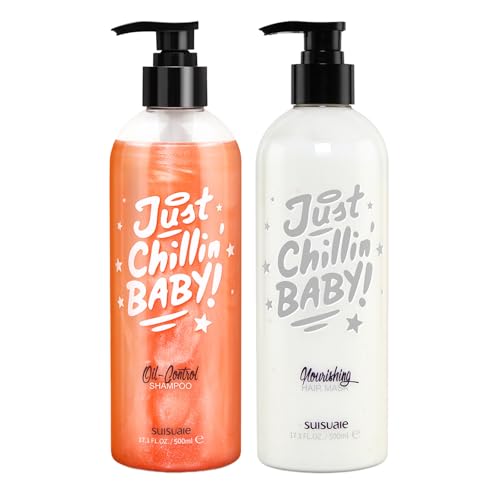
Expert Guide to Oily Hair Care
Discover proven strategies to manage excess oil, choose the right products, and achieve fresh, voluminous hair every day.
Start Your Hair Care JourneyDealing with oily hair can feel like a never-ending battle. You wash your hair in the morning, and by the afternoon, it looks flat and greasy again. This common concern affects many people, and while it can be frustrating, it is entirely manageable with the right approach. This guide provides you with a comprehensive understanding of what causes oily hair, the best oily hair care routines, and how to select products that genuinely work for your hair type.
We will explore everything from choosing the ideal shampoo to lifestyle adjustments that can help balance your scalp's oil production. By the end of this guide, you will have all the knowledge you need to say goodbye to greasy, limp hair and hello to fresh, voluminous, and healthy-looking locks. Remember, everyone's hair is different, and finding your perfect routine may require some trial and error, but we are here to help you every step of the way.
Understanding the Root Cause of Oily Hair
Oily hair starts at the scalp. The sebaceous glands in your scalp produce sebum, a natural oil that keeps your hair and scalp moisturized. While sebum is essential for hair health, overproduction can lead to that unwanted greasy look. Several factors contribute to this overproduction, including:
- Genetics: Your natural hair type and oil production levels are largely determined by your genes. Some people are simply predisposed to having a more active scalp.
- Hormones: Hormonal fluctuations, particularly during puberty, pregnancy, or menstruation, can trigger a spike in sebum production.
- Over-washing: It seems counterintuitive, but washing your hair too often can strip your scalp of its natural oils. This can lead to a rebound effect where your scalp produces even more oil to compensate for the dryness.
- Product Buildup: Using heavy, silicone-based conditioners and styling products can create a layer of buildup on your scalp that traps oil and prevents your hair from breathing.
Understanding these causes is the first step in creating an effective management strategy. By identifying the root of your specific issue, you can tailor your routine for the best possible results. For more on managing other hair concerns, you might also find our guide on frizz control helpful.
Building an Effective Oily Hair Care Routine
Your daily and weekly habits are crucial in managing oily hair. A consistent, well-thought-out routine can dramatically reduce excess oil and improve the overall health of your hair. Here is a step-by-step breakdown of an effective routine:
Step 1: Choose the Right Shampoo
Look for a clarifying or balancing shampoo specifically formulated for oily hair. These shampoos are designed to effectively remove excess oil and product buildup without being overly harsh. Key ingredients to look for include salicylic acid, which gently exfoliates the scalp, and tea tree oil, known for its purifying properties.
For more detailed advice on selecting the perfect cleanser for your skin, which shares similar principles with scalp care, see our guide on facial cleanser for oily skin.
Step 2: Master the Washing Technique
- Water Temperature: Use warm water to open the pores and effectively cleanse, but always rinse with cool water. Cool water helps to close pores and can reduce oiliness.
- Focus on the Scalp: Apply shampoo directly to your scalp and massage gently with your fingertips. Let the suds run through the rest of your hair, but avoid piling all your hair on top of your head, which can cause breakage.
- Double Wash: For very oily hair, a double wash can be beneficial. The first wash removes surface dirt and oil, while the second wash deeply cleanses your scalp.
Step 3: Condition with Care
Many people with oily hair believe they should skip conditioner, but this can lead to dry, brittle ends. The key is to condition only from the mid-lengths to the ends of your hair. Avoid applying conditioner directly to your scalp, as this can weigh your hair down and contribute to a greasy look. A lightweight, oil-free conditioner is your best bet.
If you are dealing with other skin issues like acne, which can be exacerbated by the wrong products, you might be interested in our guide on makeup for acne.
Step 4: Towel Drying and Styling
- Pat, Don't Rub: Rubbing your hair with a towel can roughen the cuticle and increase frizz. Instead, gently pat your hair dry.
- Air Dry When Possible: Heat from blow dryers can stimulate your scalp's oil glands. Let your hair air dry as often as you can.
- Limit Product Use: Heavy gels, pomades, and serums can add to the problem. If you need to style, opt for lightweight, water-based products.
In-Between Wash Best Practices
On days when you don't wash your hair, you can still manage oiliness. Dry shampoo is an excellent tool for absorbing excess oil and adding volume. Apply it to your roots, let it sit for a minute to absorb the oil, and then brush it out. Additionally, changing your pillowcases frequently and using a silk pillowcase can help absorb less oil and reduce friction.
These small habits can make a significant difference. A consistent self-care routine that includes these steps ensures your hair stays fresh between washes.
Key Ingredients to Look For and Avoid
Ingredients to Love
- Salicylic Acid: Helps to gently exfoliate the scalp and clear out oil and dead skin cells.
- Witch Hazel: A natural astringent that can help control oil production.
- Tea Tree Oil: Possesses antifungal and antibacterial properties, keeping your scalp clean and healthy.
- Clay (e.g., Kaolin or Bentonite): Acts as a magnet for dirt and oil, making it a great ingredient for cleansing shampoos or masks.
- Aloe Vera: Soothes the scalp and adds a touch of moisture without leaving it greasy.
Ingredients to Avoid
- Silicones (e.g., Dimethicone): These synthetic oils coat the hair shaft, leading to buildup and weighing down fine hair.
- Sulfates: While harsh sulfates can strip your hair, they can also trigger your scalp to overproduce oil to compensate for the moisture loss.
- Parabens: Used as preservatives, they can sometimes cause irritation or buildup on the scalp.
- Heavy Oils (e.g., Coconut Oil, Shea Butter): These are excellent for dry, coarse hair but can be too heavy for oily hair types and contribute to greasiness.
Being mindful of these ingredients when shopping is key. For a deeper dive into skin and hair health from the inside out, explore our articles on healthy eating and skin health diet.
Lifestyle Factors That Affect Hair Oiliness
Your oil production isn't just about what you put on your hair—it's also influenced by your overall health and lifestyle. Stress can trigger a spike in cortisol, leading to increased sebum production. A balanced diet rich in superfoods and low in processed foods can also help regulate your oil glands. Furthermore, a good beauty sleep routine ensures your body is well-rested, keeping your hormones and stress levels in check.
Incorporating stress management techniques into your daily life, like meditation or journaling, can have a positive impact on your hair's health, proving that beauty truly starts from within.
Conclusion: Your Path to Fresh, Vibrant Hair
Managing oily hair is a journey that combines the right products, a tailored routine, and a few lifestyle changes. It is about understanding your unique hair needs and finding the balance that works for you. By incorporating the tips and strategies discussed in this guide, you can confidently manage oiliness and enjoy fresh, voluminous hair every day.
Remember, the goal isn't to eliminate sebum entirely—it's essential for healthy hair—but to control it. We hope this guide has empowered you to take control of your hair care. If you have any questions or feedback, please do not hesitate to contact us.