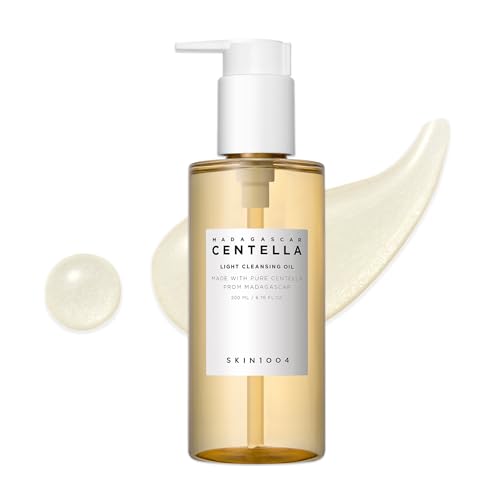
Oil Based Cleanser: The Ultimate Guide to Double Cleansing
Unlock the secret to deeply cleansed, balanced, and glowing skin. Learn why an oil based cleanser is the first step in any effective skincare routine.
Start Your Skincare JourneyWhat Is an Oil Based Cleanser?
An oil based cleanser is a skincare product formulated with a blend of natural or synthetic oils designed to dissolve and remove impurities that water-based cleansers can't tackle alone. Think of it as a magnet for makeup, sunscreen, excess sebum, and environmental pollutants. Unlike traditional foaming cleansers that can strip the skin, oil cleansers work on the principle of "like dissolves like," gently lifting away oil-based debris without disrupting your skin's natural moisture barrier.
Whether you have oily, dry, or combination skin, incorporating an oil based cleanser into your routine—especially as the first step of the double cleansing method—can transform your complexion. It leaves skin feeling clean, soft, and prepped for the rest of your skincare products.
Why Choose an Oil Based Cleanser?
✅ Deeply Dissolves Makeup & SPF
Water-based cleansers struggle to break down long-wear foundation, waterproof mascara, and physical sunscreens. An oil cleanser melts them effortlessly, ensuring a thorough clean.
✅ Balances Oily Skin
It sounds counterintuitive, but oil cleansers can actually help regulate sebum production. By removing excess oil and impurities, they prevent clogged pores and reduce breakouts.
✅ Maintains Skin Barrier
Unlike harsh surfactants, oil cleansers are gentle and don't strip the skin of its natural lipids, leaving it hydrated and resilient.
✅ Improves Absorption
A clean, prepped canvas allows serums and moisturizers to penetrate deeper, maximizing the effectiveness of your entire skincare routine.
How to Use an Oil Based Cleanser (Step-by-Step)
Using an oil based cleanser is simple, but technique matters. Follow these steps for the best results:
- Start with dry hands and a dry face. Do not wet your skin first. Apply 1–2 pumps of the oil cleanser to your palms.
- Massage gently onto your face. Use circular motions for about 60 seconds, focusing on areas with heavy makeup or sunscreen. This allows the oil to break down debris.
- Add a little warm water to emulsify. The oil will turn into a milky emulsion. Continue massaging for another 30 seconds.
- Rinse thoroughly with lukewarm water until all residue is gone.
- Follow with a water-based cleanser (like a gentle foaming or gel cleanser) to remove any remaining water-soluble impurities.
This two-step process is known as double cleansing, and it's the foundation of many Korean skincare routines. For a deeper dive into cleansing, check out our guide on daily facial cleansers.
Is an Oil Cleanser Right for Your Skin Type?
Oily & Acne-Prone Skin
Yes! Look for lightweight oils like grapeseed, jojoba, or hemp seed oil. Avoid heavy comedogenic oils like coconut oil. A good oil cleanser can actually help unclog pores and reduce blackheads.
Dry & Dehydrated Skin
Oil cleansers are a godsend for dry skin. They cleanse without stripping, leaving a soft, nourished feel. Opt for formulas with avocado, olive, or marula oil.
Combination Skin
A balanced formula with a mix of lightweight and nourishing oils works best. It will address both oily T-zones and dry cheeks effectively.
Sensitive Skin
Choose fragrance-free, hypoallergenic oil cleansers with minimal ingredients. Mineral oil or squalane-based cleansers are often very well-tolerated.
Key Ingredients in the Best Oil Cleansers
When shopping for an oil based cleanser, the ingredient list matters. Here are some star players to look for:
- Jojoba Oil: Mimics the skin's natural sebum, making it excellent for all skin types.
- Grapeseed Oil: Lightweight and rich in linoleic acid, perfect for oily and acne-prone skin.
- Olive Oil: Deeply hydrating and full of antioxidants, ideal for dry skin.
- Squalane: A stable, non-comedogenic oil that softens and protects.
- Sunflower Seed Oil: Contains vitamin E and is known for its barrier-repairing properties.
- Emulsifiers (like PEG-20 Glyceryl Triisostearate): These help the oil wash off easily with water, preventing residue.
For those with sensitive skin or conditions like rosacea, a non-comedogenic cleanser is a safe choice. You can also explore facial oils for added hydration.
Common Mistakes to Avoid
- ❌ Not emulsifying: Failing to add water and massage until it turns milky can leave a greasy film.
- ❌ Skipping the second cleanse: The water-based cleanser is crucial to remove any remaining dirt and oil residue.
- ❌ Using too much product: A little goes a long way. Start with a small amount and add more if needed.
- ❌ Wiping off instead of rinsing: Always rinse with water for the best results.
- ❌ Using it on wet skin: The oil won't be as effective at dissolving oil-based impurities on a wet face.
Frequently Asked Questions
Can I use an oil cleanser if I have acne?
Absolutely. In fact, many dermatologists recommend it. Just choose a non-comedogenic formula and always follow up with a water-based cleanser.
Is oil cleansing enough?
It's best as the first step of double cleansing. For most people, it's not enough on its own, especially to remove sweat and water-soluble dirt.
How often should I use an oil cleanser?
Once daily, usually in the evening, is sufficient. If you wear heavy makeup or sunscreen daily, it's a must.
Can it cause breakouts?
If a product is not properly emulsified or rinsed off, it can lead to breakouts. Also, some oils are comedogenic. Always patch-test new products.
Your Path to Cleaner, Healthier Skin Starts Here
An oil based cleanser is more than just a trend—it's a transformative step in skincare that delivers real, visible results. By dissolving impurities while respecting your skin's delicate barrier, it sets the stage for a glowing, radiant complexion.
Ready to make the switch? Explore our curated list of top-rated oil cleansers and find the perfect match for your skin type. For a complete skincare overhaul, don't miss our guides on luxury skincare and antioxidant serums.