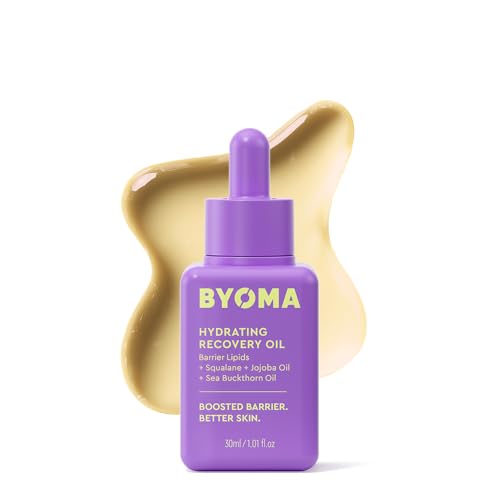
Facial Oil Guide: Unlock Radiant, Hydrated Skin
Discover the power of facial oils. Learn which oils suit your skin type, how to apply them, and find the best products for a glowing complexion.
Start Your Skincare JourneyFacial oils are not just for dry skin. Modern formulations are designed to balance, nourish, and protect every skin type—including oily and acne-prone. This guide will help you understand the benefits, how to incorporate them into your routine, and which oils are best for your unique needs.
Top Benefits of Facial Oils
Deep Moisture
Facial oils are rich in essential fatty acids and vitamins that deeply hydrate, strengthen the skin barrier, and prevent moisture loss.
Skin Barrier Support
They mimic the skin's natural lipids, helping to repair and protect the barrier from environmental stressors and irritation.
Balanced Sebum
Lightweight oils like squalane and jojoba can regulate oil production, making them excellent for oily and combination skin types.
Antioxidant Protection
Many oils (e.g., rosehip, marula) are packed with antioxidants like vitamin C and E, which fight free radicals and brighten the skin.
Soothing & Calming
Oils high in linoleic acid (like hemp seed or evening primrose) have anti-inflammatory properties that calm redness and irritation.
Enhanced Product Absorption
Applied after water-based serums, facial oils can help lock in active ingredients and boost overall efficacy.
How to Use Facial Oil Correctly
Master the technique for maximum benefits:
- Cleanse – Start with a gentle face wash to remove impurities.
- Tone – Apply a hydrating toner like facial toner to prep the skin.
- Apply water-based serums – Use products like hyaluronic acid or vitamin C serum first.
- Use 2–3 drops of facial oil – Warm it between your palms, then gently press onto your face, neck, and décolletage.
- Follow with moisturizer (if needed) – For very dry skin, layer a cream over the oil to seal in hydration.
💡 Pro tip: For daytime, choose a lightweight oil and always follow with sunscreen (SPF 30+) to protect your skin.
Best Facial Oils for Every Skin Type
| Skin Type | Recommended Oils | Key Benefits |
|---|---|---|
| Dry / Dehydrated | Marula, Argan, Avocado, Rosehip | Rich in oleic acid, provide intense moisture, and improve elasticity. |
| Oily / Acne-Prone | Jojoba, Hemp Seed, Grapeseed, Squalane | Non-comedogenic, high in linoleic acid, balance sebum, and soothe breakouts. |
| Combination | Jojoba, Rosehip, Squalane, Evening Primrose | Balancing, lightweight, and provide hydration without clogging pores. |
| Sensitive / Redness-Prone | Calendula, Chamomile, Squalane, Sea Buckthorn | Anti-inflammatory, soothing, and rich in antioxidants to calm irritation. |
| Mature / Aging | Rosehip, Pomegranate, Marula, Bakuchiol Oil | High in vitamins A & C, promote cell renewal, and reduce fine lines. |
Key Ingredients to Look For
Vitamin C (L-Ascorbic Acid)
Brightens, evens tone, and boosts collagen. Often found in rosehip, sea buckthorn, and citrus-based oils. Learn more about L-ascorbic acid serums.
Retinoids (Bakuchiol)
A plant-based alternative to retinol that reduces wrinkles and improves texture without irritation. Explore bakuchiol serums.
Essential Fatty Acids
Omega 3, 6, and 9 are crucial for barrier function. Found in hemp seed, evening primrose, and flaxseed oils.
Antioxidants (Vitamin E, CoQ10)
Protect against free radical damage and environmental stressors. Common in argan, marula, and almond oils.
How to Choose the Right Facial Oil
🔍 Know your skin's needs:
- Check the comedogenic rating: For oily/acne-prone, choose oils rated 0–2 (e.g., hemp seed, grapeseed).
- Look for organic & cold-pressed: These retain more nutrients and are free from harmful solvents.
- Consider your routine: Use oils with antioxidant serums in the morning and with retinol at night.
- Patch test: Apply a drop behind your ear or on your inner arm to check for reactions.
For a deep dive into natural options, visit our natural beauty section.
Common Myths About Facial Oils
❌ Myth: Oily skin shouldn't use facial oils.
✅ Fact: The right oils (like jojoba and squalane) can regulate sebum production and actually reduce breakouts.
❌ Myth: Facial oils are the same as moisturizers.
✅ Fact: Oils lack water and humectants; they're best used in combination with a moisturizer or hydrating serum for optimal hydration.
❌ Myth: All oils clog pores.
✅ Fact: Many oils are non-comedogenic and are safe for even sensitive, acne-prone skin.
Final Takeaway: Facial oils are versatile, powerful skincare allies. Whether you're looking to reduce inflammation, boost hydration, or achieve a radiant glow, there's a facial oil perfect for you. Experiment with different oils to find your holy grail, and always listen to your skin's feedback.