Anti-Inflammatory Skin Care: Calm Redness & Soothe Sensitive Skin
Discover how to reduce skin inflammation, calm redness, and restore your skin's natural balance with expert-approved ingredients and routines. Your complete guide to soothing, healthy skin.
What Is Anti-Inflammatory Skin Care?
Anti-inflammatory skin care is a targeted approach to calming and soothing skin that is prone to redness, irritation, and sensitivity. Instead of simply masking symptoms, this method addresses the underlying causes of skin inflammation—whether from environmental stressors, harsh ingredients, or underlying conditions like rosacea or eczema.
By choosing products with soothing, anti-inflammatory ingredients, you can help your skin heal, reduce visible redness, and maintain a healthier, more resilient complexion. This guide will walk you through the best ingredients, routines, and products to achieve calm, balanced skin.
💡 Did You Know? Chronic skin inflammation can accelerate aging, weaken the skin barrier, and lead to conditions like acne and hyperpigmentation. Adopting an anti-inflammatory approach is one of the most effective ways to protect your skin's long-term health.
Top Anti-Inflammatory Ingredients for Skin
These scientifically-backed ingredients are known for their ability to calm inflammation, reduce redness, and support skin repair. Incorporating them into your routine can transform sensitive, reactive skin.
🌿 Centella Asiatica
Also known as cica or tiger grass, this herb accelerates wound healing, soothes irritation, and strengthens the skin barrier.
🌾 Oat Extract
Colloidal oatmeal is rich in antioxidants and anti-inflammatory compounds that calm itching, redness, and dry, sensitive skin.
🌺 Aloe Vera
Contains vitamins, enzymes, and amino acids that hydrate, soothe burns, and reduce inflammation. Perfect for sensitive or sun-exposed skin.
🍵 Green Tea
Packed with polyphenols and EGCG, green tea neutralizes free radicals and reduces redness, making it ideal for inflamed or aging skin.
🌻 Niacinamide
A form of vitamin B3 that reduces redness, minimizes pores, and strengthens the skin's lipid barrier while calming inflammation.
🍃 Chamomile
Contains bisabolol and chamazulene, powerful anti-inflammatory compounds that soothe irritation and promote healing.
When choosing products, look for these ingredients in serums, moisturizers, and cleansers. They work best when combined with a gentle, consistent routine that avoids harsh actives like strong retinoids or high-percentage acids.
For additional support, consider incorporating antioxidant serums into your routine to protect against environmental damage that can trigger inflammation. You may also find that a gentle, non-comedogenic cleanser helps maintain a calm, balanced complexion.
How to Build an Anti-Inflammatory Skincare Routine
Creating a routine that reduces inflammation doesn't have to be complicated. Follow these steps to calm your skin and maintain lasting results.
Step 1: Gentle Cleansing
Start with a mild, sulfate-free cleanser that removes impurities without stripping your skin's natural oils. Look for ingredients like aloe, oat, or glycerin. Avoid foaming cleansers with harsh surfactants that can irritate sensitive skin.
Step 2: Soothing Toner or Essence
Apply a toner or essence containing anti-inflammatory ingredients like green tea, chamomile, or Centella Asiatica. This step hydrates and preps your skin for the next products while delivering a calming boost.
Step 3: Targeted Serum
Use a serum with niacinamide, hyaluronic acid, or peptides to address inflammation while providing deep hydration. A high-quality antioxidant serum can neutralize free radicals that contribute to skin stress.
Step 4: Moisturize
Lock in hydration with a moisturizer that contains ceramides, oat extract, or shea butter. A non-comedogenic moisturizer ensures your pores stay clear while soothing your skin.
Step 5: Sun Protection
Protect your skin from UV-induced inflammation with a mineral SPF 30 or higher. Zinc oxide and titanium dioxide are excellent choices for sensitive skin as they are less likely to cause irritation.
🌙 Nighttime Tip: Consider using a retinol eye cream or a gentle retinol formulation at night to support cell turnover, but introduce it slowly to avoid triggering inflammation. Always follow with a rich moisturizer.
Ingredients to Avoid for Inflamed Skin
Just as important as what you add to your routine is what you avoid. These common ingredients can trigger or worsen inflammation:
- Alcohol (Denatured): Strips moisture and disrupts the skin barrier, leading to increased sensitivity.
- Fragrance & Essential Oils: Synthetic fragrances and some essential oils (like lavender, citrus) can cause allergic reactions and irritation.
- Harsh Surfactants: Sodium lauryl sulfate (SLS) and similar ingredients can break down skin lipids and cause redness.
- High-Percentage Acids: Glycolic acid or salicylic acid in high concentrations can over-exfoliate and inflame sensitive skin.
- Benzoyl Peroxide: While effective for acne, it can be too drying and irritating for inflammation-prone skin.
If you're unsure about a product, patch-test it on a small area of skin before full application. For personalized advice, consider consulting a dermatologist, especially if you have conditions like rosacea or eczema.
Lifestyle & Diet Tips to Reduce Inflammation
Skin inflammation isn't just about what you put on your face. Internal factors like diet, stress, and sleep play a major role in your skin's health.
🥗 Anti-Inflammatory Diet
Foods rich in omega-3s (salmon, walnuts), antioxidants (berries, leafy greens), and polyphenols (green tea, dark chocolate) can help calm inflammation from the inside out. Limit processed foods, sugar, and refined carbs, which can trigger inflammatory responses.
🧘 Stress Management
Chronic stress elevates cortisol levels, which can increase skin inflammation. Incorporate stress-reducing practices like meditation, yoga, or deep breathing into your daily routine.
😴 Quality Sleep
Your skin repairs itself while you sleep. Aim for 7–9 hours of quality rest. A consistent sleep routine and a relaxing bedtime ritual can make a significant difference in your skin's appearance and resilience.
🚰 Hydration
Drink plenty of water throughout the day to keep your skin hydrated and help flush out toxins that can contribute to inflammation.
By combining a gentle skincare routine with healthy lifestyle habits, you can achieve a visibly calmer, healthier complexion over time.
Frequently Asked Questions
Can anti-inflammatory skincare help with acne?
Yes! Inflammation is a key driver of acne, especially inflammatory acne (papules, pustules, and cysts). Calming ingredients like niacinamide and green tea can help reduce breakouts and prevent post-inflammatory hyperpigmentation. A targeted acne-fighting routine that prioritizes soothing ingredients is often more effective than harsh, drying treatments.
Is anti-inflammatory skincare safe for all skin types?
Yes, anti-inflammatory skincare is generally safe and beneficial for all skin types—dry, oily, combination, and sensitive. It's particularly valuable for those with easily irritated, reactive skin. However, always patch-test new products and introduce one at a time to monitor how your skin responds.
How long does it take to see results?
With consistent use, many people notice less redness and irritation within 4–6 weeks. However, visible improvements in skin texture and overall calmness may take up to 3 months of regular use.
Can I use anti-inflammatory products with active ingredients like retinol or vitamin C?
Yes, but it's best to layer them carefully. Start with a gentle, low-concentration retinol and use it sparingly, always following with a soothing moisturizer. For vitamin C, choose a stable, gentler derivative like magnesium ascorbyl phosphate. Always listen to your skin—if it feels irritated, reduce frequency or concentration.
For more guidance on building a personalized routine, explore our getting started guide or check out our clean beauty guide for more product recommendations.
Your Path to Calmer, Healthier Skin
Anti-inflammatory skin care is more than just a trend—it's a science-backed approach to achieving lasting skin health. By understanding your skin's needs, choosing the right ingredients, and adopting a holistic lifestyle, you can significantly reduce redness, sensitivity, and inflammation.
Start small. Swap one product in your routine for a gentler alternative. Add a soothing serum. Pay attention to how your skin feels. With patience and consistency, you'll notice a visible transformation.
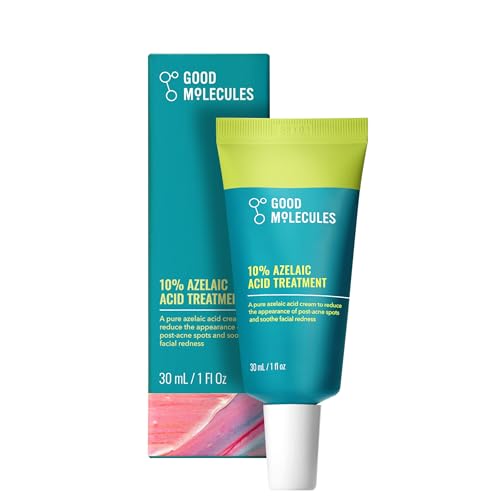
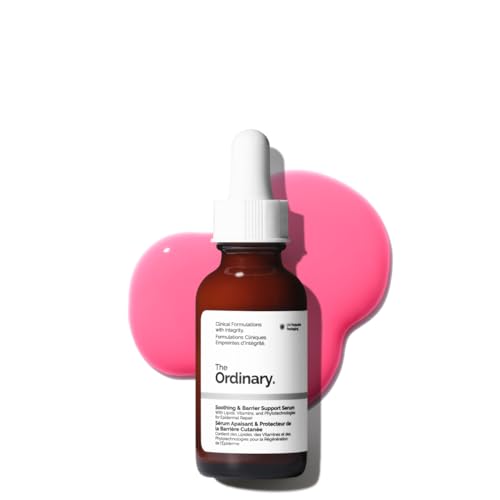
Ready to build your routine? Below are some of our top recommended anti-inflammatory products to help you get started.