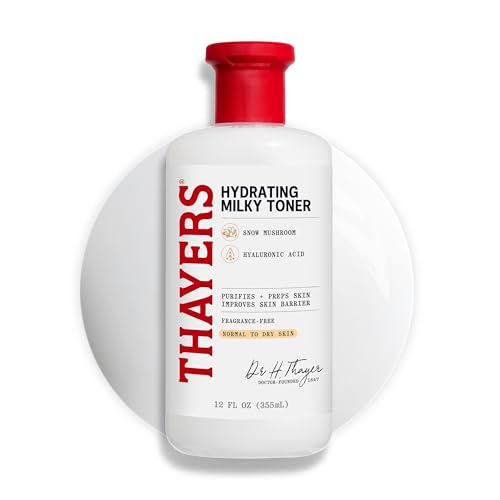
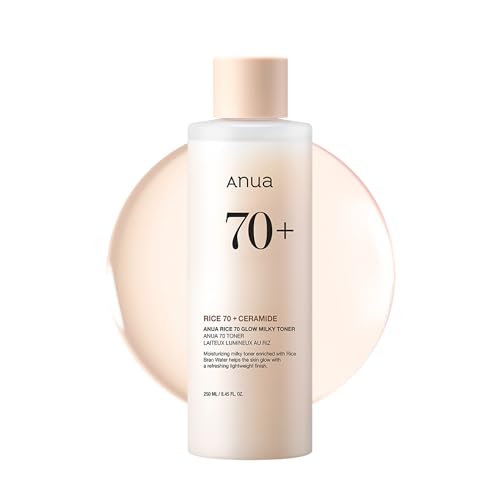
Milk Toner: The Gentle Hydrating Elixir for Your Skin
Discover why milk toner is a must-have in your skincare routine. From soothing sensitive skin to delivering deep hydration, learn how this milky essence can transform your complexion.
Start Your Skincare JourneyWhat Is Milk Toner?
A milk toner is a gentle, hydrating liquid that combines the benefits of a traditional toner with the nourishing properties of milk proteins and emollients. Unlike harsh astringent toners, milk toners are formulated to soothe, soften, and prepare the skin for subsequent skincare steps. Their milky, often slightly opaque appearance comes from ingredients like emollients, plant milks (oat, almond, or rice), and humectants that lock in moisture.
Milk toners are ideal for those with dry, sensitive, or dehydrated skin, but they can benefit all skin types, including oily and combination skin, by balancing the skin's pH and providing a lightweight layer of hydration without clogging pores.
💡 Key Insight: The best milk toners contain soothing ingredients like panthenol, ceramides, and oat extract. They help to calm redness, strengthen the skin barrier, and enhance the absorption of serums and moisturizers. For a deeper dive into barrier-strengthening ingredients, check out our guide on ceramide moisturizers.
Top 5 Benefits of Milk Toner
- Deep Hydration: Milk toners are packed with humectants like glycerin and hyaluronic acid that draw water into the skin, leaving it plump and dewy.
- Soothes Irritation: Ingredients like oat milk and allantoin calm inflammation and reduce redness, making them perfect for sensitive or reactive skin.
- Balances pH: After cleansing, skin pH can be disrupted. A milk toner helps restore the natural acidic pH, which is crucial for a healthy skin barrier.
- Prepares Skin for Better Absorption: By softening the skin's surface, milk toners enhance the efficacy of subsequent products like hydrating serums and moisturizers.
- Gentle Exfoliation (Lactic Acid): Many milk toners contain lactic acid, an alpha-hydroxy acid (AHA) derived from milk, which gently dissolves dead skin cells for a brighter, smoother complexion without irritation.
If you're looking for a non-irritating exfoliant, milk toner with lactic acid is a fantastic alternative to stronger AHAs. For a comprehensive exfoliation routine, consider pairing it with a gentle cleanser and a lightweight moisturizer.
How to Use Milk Toner in Your Routine
Incorporating a milk toner is simple. Follow these steps for best results:
- Cleanse: Start with a face cleanser suited to your skin type. Double cleanse if you wear makeup or sunscreen.
- Apply Toner: Pour a small amount of milk toner onto a cotton pad or into your palms. Gently press or sweep it over your face and neck, avoiding the eye area.
- Pat and Absorb: Allow the toner to absorb for a minute before applying your next skincare step. You can also layer it for extra hydration by applying multiple thin layers (the "7-skin method").
- Follow with Serum and Moisturizer: Lock in the hydration with a Korean skincare serum and a K-beauty moisturizer to seal in the benefits.
For best results, use milk toner morning and night. In the morning, follow with a sunscreen for face to protect your newly hydrated skin.
Key Ingredients to Look For
Not all milk toners are created equal. Here are the powerhouse ingredients that make a great milk toner:
- Oat Milk: Rich in beta-glucans and antioxidants, oat milk soothes itching and inflammation while providing deep moisture. Ideal for sensitive skin.
- Rice Milk: Packed with vitamins B and E, rice milk brightens the skin and improves elasticity. It's a staple in traditional Asian skincare.
- Lactic Acid: A gentle AHA that exfoliates and hydrates simultaneously, promoting a smooth and radiant complexion.
- Ceramides: Essential for maintaining the skin barrier, ceramides prevent moisture loss and protect against environmental stressors. Learn more about ceramide moisturizers.
- Panthenol (Vitamin B5): A powerful humectant and soothing agent that attracts moisture and calms redness.
For those with oily or acne-prone skin, look for non-comedogenic formulas that include ingredients like niacinamide serum to balance sebum production while delivering hydration.
Is Milk Toner Right for You?
Milk toner is incredibly versatile, but it's especially beneficial for:
- Dry or Dehydrated Skin: Provides a much-needed moisture boost.
- Sensitive Skin: Soothes irritation and strengthens the barrier.
- Mature Skin: Lactic acid gently exfoliates and plumps fine lines.
- Oily and Combination Skin: Lightweight formulas balance oil production without stripping the skin.
Even if you have acne-prone skin, a milk toner with soothing and non-comedogenic ingredients can be a game-changer. Always patch-test a new product to ensure compatibility. If you experience persistent redness or irritation, consult a dermatologist and consider our guide on gentle cleansers to build a calming routine.
📝 Pro Tip: For the ultimate hydration boost, layer your milk toner with a hydrating toner and a few drops of face oil for a luxurious, nourishing treatment.
Frequently Asked Questions About Milk Toner
Can I use milk toner every day?
Yes! Milk toner is gentle enough for daily use, both morning and night. Its hydrating and soothing properties make it a great addition to any routine.
Is milk toner good for acne-prone skin?
Absolutely. Look for a milk toner that is non-comedogenic and contains soothing ingredients like oat milk or panthenol. It can help balance oil production and reduce inflammation without clogging pores.
What's the difference between milk toner and regular toner?
Regular toners are often astringent and designed to remove excess oil and tighten pores. Milk toners, on the other hand, are hydrating and soothing, focusing on moisturizing and balancing the skin's pH. They are much gentler and suitable for all skin types, especially dry and sensitive.
Can milk toner replace moisturizer?
No. A milk toner provides a boost of hydration, but it's not a substitute for a moisturizer. You should always follow up with a lightweight moisturizer or a richer cream to lock in the hydration and protect your skin barrier.