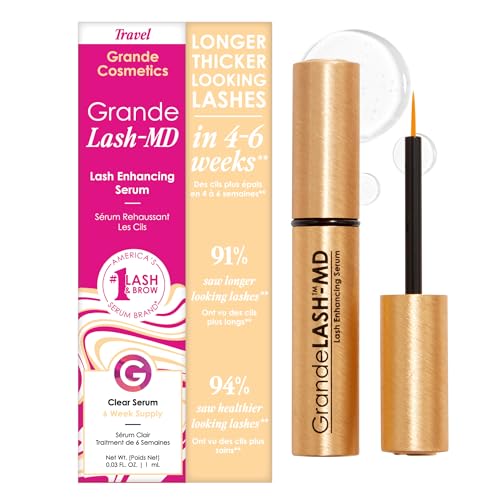
Eyelash Serum for Longer Lashes: Your Complete Guide
Everything you need to know about eyelash growth serums — how they work, which ingredients matter, how to apply them safely, and what realistic results to expect before you buy.
EXPLORE TOP PICKSWhy this guide matters: If you are researching eyelash serums, you already know you want longer, fuller lashes — but the sheer number of formulas, claims, and warnings can be overwhelming. This guide cuts through the noise with clear, evidence-informed information so you can choose confidently and use your serum safely.
What Is an Eyelash Serum and How Does It Work?
An eyelash serum is a leave-on treatment applied along the upper lash line to support the appearance of longer, thicker, and healthier-looking lashes. Unlike mascara, which offers temporary cosmetic volume, a well-formulated serum works with your natural lash growth cycle over weeks and months.
Your eyelashes grow in a repeating cycle of three phases: the anagen (growth) phase, the catagen (transition) phase, and the telogen (resting) phase. Eyelash serums typically contain conditioning ingredients — such as peptides, biotin, panthenol, and hyaluronic acid — that help nourish the lash follicle and reduce breakage during the growth phase. Some formulas also include prostaglandin analogues, which are powerful but require careful consideration and, in many regions, a prescription.
It is important to set realistic expectations. Most dermatologists and lash specialists agree that visible improvement takes time. Consistent daily application is the single biggest factor in whether a serum delivers results. If you are also exploring other lash-enhancing options, our guide to eyelash growth serums that work can help you compare approaches.
Key Ingredients to Look For (and What They Do)
The ingredient list is where a serum proves whether it is worth your attention. Here are the most common and well-regarded lash serum ingredients, organized by function:
Peptides (e.g., Myristoyl Pentapeptide-17)
Signaling peptides are among the most studied lash ingredients. They help support the keratin structure of lashes and are commonly found in mid-range and premium serums.
Biotin & Panthenol (Pro-Vitamin B5)
Conditioning agents that help lashes retain moisture and appear stronger. Panthenol is a staple in entry-level and mid-tier formulas because it is gentle and well tolerated.
Hyaluronic Acid
A humectant that draws moisture to the lash line, reducing brittleness. Especially useful for lashes that break easily or feel dry after mascara use.
Prostaglandin Analogues
Potent compounds that can produce dramatic growth but carry side-effect risks such as iris darkening and eyelid irritation. These are typically high-end, prescription-tier products requiring professional guidance.
Plant Extracts (e.g., Ginseng, Green Tea)
Antioxidant-rich botanical extracts that support a healthy lash environment. Common in natural-beauty and clean-beauty serums.
Conditioning Oils & Waxes
Castor oil, jojoba, and similar emollients coat lashes to reduce friction and breakage. They do not stimulate growth directly but improve the look of lash condition.
Pro tip: Look for serums that are ophthalmologist-tested and fragrance-free if you have sensitive eyes or wear contact lenses. Our guide to eye mascara for sensitive eyes follows the same principle — gentler formulas reduce the risk of irritation.
How to Apply Eyelash Serum Correctly
Application technique matters as much as the formula. A serum applied incorrectly can waste product, irritate the eye, or simply fail to reach the lash line. Follow this step-by-step routine for the best results:
Start with a clean, dry lash line
Remove all eye makeup and skincare residue first. Use a gentle cleanser or a dedicated eye makeup remover, then pat dry. Never apply serum over mascara or oily eye cream.
Apply a thin line along the upper lash root
Use the applicator brush to draw a single, thin stroke along the base of the upper lashes — as if applying eyeliner. One swipe per eye is enough; more product does not mean faster results.
Do not rub your eyes afterward
Let the serum absorb for at least a few minutes before applying other products. Avoid rubbing or touching the eye area to prevent transfer and irritation.
Use consistently, preferably at night
Apply once daily, ideally as the last step of your evening routine. Consistency over weeks — not intensity — is what produces results. Set a reminder if needed.
Store the serum correctly
Keep the cap tightly closed and store away from direct sunlight and heat. Most serums are best used within the timeframe printed on the packaging.
If you wear false eyelashes or extensions regularly, apply your serum on nights when you are not wearing them, and always remove adhesive residue first to keep the lash line clean.
Types of Eyelash Serums Compared
Not all lash serums are built the same. The table below breaks down the main categories so you can match a serum to your needs and comfort level:
| Serum Type | Key Ingredients | Typical Results Timeline | Best For | Considerations |
|---|---|---|---|---|
| Peptide-based | Signaling peptides, panthenol, hyaluronic acid | 6–12 weeks | Most users; gentle daily maintenance | Mid-range to premium formulas; very well tolerated |
| Botanical / natural | Plant extracts, conditioning oils, biotin | 8–12 weeks | Clean-beauty and vegan preferences | Entry-level to mid-tier; results can be subtle |
| Prostaglandin analogue | Synthetic prostaglandin derivatives | 4–8 weeks | Users seeking maximum growth under professional guidance | High-end / prescription-tier; side-effect risks require caution |
| Conditioning oil serums | Castor oil, jojoba, vitamin E | 4–6 weeks (conditioning only) | Preventing breakage and improving lash condition | Budget-friendly; does not stimulate new growth |
Important safety note: Prostaglandin analogue serums are potent and have been associated with iris color changes, eyelid darkening, and irritation. They are not suitable for everyone, and in many regions they require a prescription. If you are considering this category, speak to an eye care professional or dermatologist first.
No matter which serum you choose, stop use immediately if you experience redness, itching, swelling, or vision changes, and consult a healthcare professional.
What to Expect: A Realistic Timeline
Eyelash growth is not an overnight process. Because lashes grow in cycles, results emerge gradually as new hairs replace old ones. Here is a realistic timeline to help you evaluate your serum fairly:
- Weeks 1–4: Little visible change. Lashes may feel slightly more conditioned. This is normal — do not give up.
- Weeks 4–8: Early improvements may appear, especially reduced breakage and slightly fuller-looking lash lines.
- Weeks 8–12: Most users report noticeable length and density improvements in this window.
- Weeks 12–16: Full results of one growth cycle are typically visible. This is the point to judge whether the serum is working for you.
If you see no change after 16 weeks of consistent use, the formula may not be the right match for your lash cycle. Our article on eyelash serum to grow lashes explores how to evaluate results and when to switch products.
Eyelash Serum vs. Other Lash Enhancement Options
Serums are one tool among many. Depending on your goals, other options may complement or replace a serum routine:
- Mascara: Instant cosmetic volume. For sensitive eyes, a gentle formula is essential — see our guide to eye mascara for sensitive eyes.
- Eyelash extensions: Immediate length and volume but require maintenance appointments. Learn what to expect in our overview of eyelash extensions before and after.
- Lash lift and tint: Semi-permanent curl and color for natural lashes. Results last several weeks — see eyelash lift before and after.
- Eyelash curlers: A daily styling tool that complements serum use. Our guide to heated eyelash curlers covers technique and safety.
- False lashes: For special occasions, strip or cluster lashes offer instant drama. Start with our guide to false eyelashes and full set of classic lashes.
Choosing a Quality Eyelash Serum
Because lash serums are applied so close to the eye, quality and formulation matter more than marketing claims. Use these criteria when evaluating any product:
- Ingredient transparency: A reputable brand lists all ingredients clearly and avoids vague "proprietary blend" claims for active ingredients.
- Ophthalmologist-tested: This indicates the formula has been evaluated for eye-area tolerance. It is especially important for contact lens wearers.
- Fragrance-free: Fragrance is a common irritant in the eye area. Fragrance-free formulas are the safer choice.
- Applicator design: A fine brush applicator allows precise delivery along the lash line without excess product.
- Realistic claims: Be cautious of products promising dramatic results in days. Legitimate serums describe gradual improvement over weeks.
- Clinical or consumer testing data: Brands that publish study results or consumer panel data are generally more trustworthy.
Pro tip: Keep your lash line healthy by gently removing eye makeup each night and avoiding harsh rubbing. A facial cleanser for sensitive skin and a dedicated eye makeup remover are good companions to any serum routine.
Safety, Side Effects, and Who Should Be Careful
Most cosmetic eyelash serums are well tolerated when used as directed, but the eye area is delicate. Be aware of the following:
- Patch test first: Apply a small amount to the inner forearm or along the outer lash line and wait 24–48 hours to check for reactions.
- Common mild side effects: Temporary tingling, slight redness, or dryness at the application site. These usually resolve with continued use, but persistent irritation warrants discontinuation.
- Discontinue if irritation occurs: Stop use and consult a professional if you experience swelling, itching, pain, or vision changes.
- Contact lens wearers: Apply serum before inserting lenses and ensure it has fully absorbed. If irritation occurs, remove lenses and rinse.
- Pregnancy and breastfeeding: Consult your healthcare provider before starting any lash serum, especially those with active or prescription-strength ingredients.
- Eye conditions: If you have blepharitis, dry eye, glaucoma, or other eye conditions, speak to your eye doctor before use.
For general eye-area care, our eye serum for dark circles and eye mask for eye bags guides cover complementary routines that support the overall appearance of the eye area.
Frequently Asked Questions About Eyelash Serums
Still deciding? Explore our eye makeup section for complementary techniques, or learn about eyelash curlers for Asian eyes and eyelash tint and eyebrow tint to complete your lash and brow routine.