Classic Eyelash Extensions: The Complete Guide to Natural Lash Enhancement
Everything you need to know about classic eyelash extensions — from application and aftercare to choosing the right lash artist and maintaining beautiful, natural-looking results.
Explore the GuideWhy Classic Eyelash Extensions? Classic lashes are the most natural-looking option in the lash extension world. One premium extension is bonded to each natural lash, delivering length and definition that looks effortlessly like your own lashes — just better. If you want to wake up ready every day without mascara, this guide will walk you through exactly what to expect.
What Are Classic Eyelash Extensions?
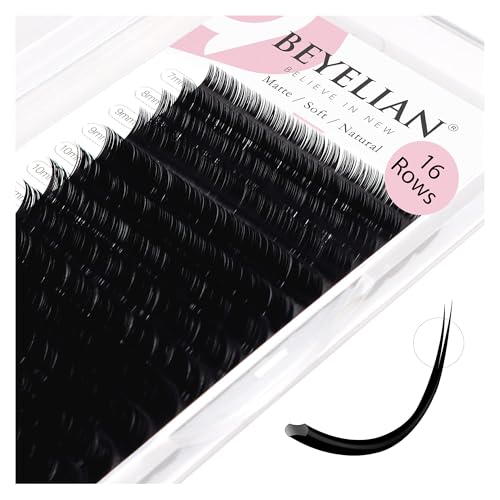
Classic eyelash extensions are individual synthetic or silk fibers applied one-to-one to your natural lashes. Each extension is carefully isolated and bonded to a single natural lash using a specially formulated lash adhesive. The result is a clean, natural enhancement that adds length, curl, and a subtle boost of volume — without the heavy, dramatic effect of volume or mega-volume sets.
Because the application is one-to-one, classic lashes are the ideal starting point for anyone new to extensions. They mimic the natural lash growth cycle, allowing your own lashes to shed and regrow normally while the extensions follow along. This is also why classic lashes are often recommended for clients with already healthy, dense natural lashes who simply want a polished, mascara-like finish.
Unlike strip lashes or clusters, classic extensions are semi-permanent. They are applied while you relax with your eyes closed, typically taking 90 minutes to 2 hours for a full set. The technique requires precision and a steady hand, which is why choosing a trained, licensed lash artist is essential. For a broader look at the tools and accessories that support lash work, explore our beauty tools guide.
Classic vs. Volume Lashes: Which Is Right for You?
One of the most common questions first-time clients ask is whether they should choose classic or volume lashes. The answer depends on your natural lash health, your desired look, and your maintenance preferences. Here is a clear comparison to help you decide:
| Feature | Classic Lashes | Volume Lashes |
|---|---|---|
| Application | 1 extension per natural lash | 2–6 lighter extensions per natural lash |
| Look | Natural, mascara-like definition | Fuller, darker, more dramatic |
| Best for | Beginners, sparse-to-average lashes, natural look | Experienced clients, fuller lash line, glamour look |
| Maintenance | Fills every 2–3 weeks | Fills every 2–3 weeks (more skill required) |
| Application time | Approximately 90–120 minutes | Approximately 2–3 hours |
| Weight on natural lash | Light, single extension | Light per extension but multiple fibers |
| Skill tier | Entry-level friendly | Advanced technique |
If you are new to lash extensions or prefer a look that could pass as your own lashes with mascara, classic is the safer, more versatile choice. If you have naturally strong lashes and want a denser, more dramatic finish, volume lashes may be worth exploring once you are comfortable with the extension process. Related lash topics worth reading include C-curl lashes for a lifted, open-eye effect and cluster lashes for at-home temporary options.
The Classic Lash Application Process: Step by Step
Understanding what happens during a lash appointment helps you feel prepared and confident. Here is the typical professional process for classic eyelash extensions:
- Consultation and patch test. Your lash artist reviews your natural lashes, discusses your desired look, and performs a patch test if you are a first-time client. This step screens for adhesive sensitivity and sets realistic expectations.
- Cleansing and preparation. Your lash line is gently cleansed to remove oils, makeup, and debris. Clean lashes are essential because any residue can weaken the adhesive bond.
- Isolation and application. Using fine tweezers, the artist isolates a single natural lash and dips the extension into adhesive before placing it precisely at the base of the natural lash. This process is repeated lash by lash across both eyes.
- Curing and final check. Once application is complete, the adhesive cures, and the artist checks for any stickies (extensions bonded to each other) and ensures symmetry.
- Aftercare briefing. You will receive instructions on keeping lashes dry for the first 24–48 hours, avoiding oil-based products, and scheduling your first fill appointment.
The appointment is painless — most clients relax or even nap during the process. A well-ventilated, hygienic studio and a certified lash artist are non-negotiable for safe results.
How to Choose the Right Lash Artist
Your lash artist has more influence on your results than any other factor. A skilled technician protects your natural lash health while delivering a beautiful, balanced set. Here is what to look for:
- Certification and licensing. Confirm that the artist has completed recognized lash training and holds the required licensing for your region.
- Portfolio and reviews. Review before-and-after photos and client testimonials. Look for consistent isolation, clean lash lines, and natural-looking placement. You can also study before-and-after brow lamination results to understand how professional before-and-after documentation should look.
- Hygiene standards. Fresh gloves, sanitized tools, and a clean workspace are essential. Do not compromise on hygiene.
- Consultation quality. A good artist asks about your lifestyle, eye shape, and natural lash condition before recommending a style.
- Realistic aftercare guidance. Expect clear written instructions and honest maintenance expectations.
Lash services sit within the broader professional beauty category, much like a beauty parlour or salon service. Treat your lash appointment with the same diligence you would use when selecting any professional beauty provider.
Classic Lash Aftercare: How to Make Your Extensions Last
Proper aftercare is the difference between lashes that look fresh for weeks and a set that starts shedding prematurely. Follow these professional guidelines:
- Keep lashes dry for 24–48 hours. Water and steam can interfere with adhesive curing during the first two days.
- Avoid oil-based products. Oils break down lash adhesive. Use oil-free makeup removers and cleansers around the eyes.
- Skip waterproof mascara and eyeliner. These products are difficult to remove and can damage extensions. If you must use eye makeup, choose lash-safe formulas.
- Cleanse gently daily. Use a lash-safe foam cleanser and a soft brush to remove buildup without tugging.
- Brush lashes daily. A clean spoolie keeps lashes aligned and prevents tangling.
- Sleep on your back or use a silk pillowcase. Friction and side-sleeping can cause premature shedding and twisting.
- Book fills every 2–3 weeks. Regular fills maintain a full look and let your artist inspect your natural lash health.
If you are also maintaining brow shape and brow health, products like brow gel and brow growing serum complement a polished eye-area routine. For lash health between appointments, a lash enhancing serum can help support your natural lashes over time.
Classic Lash Types and Materials Explained
Not all classic extensions are created equal. The material, curl, thickness, and length you choose dramatically affect the final look and how long the set lasts. Here is a breakdown of the main options:
Material
- Synthetic (PBT fiber): The most common material. Lightweight, durable, and available in many curls and thicknesses. Typically entry-level to mid-range in lash market tiers.
- Silk: Softer and more flexible than standard synthetic, with a natural matte finish. Often mid-range to premium.
- Mink (ethical faux-mink): Ultra-soft and lightweight with a fluffy appearance. Typically premium to luxury tier.
Curl
Curl determines how much lift the lash line receives. Common options include J-curl (subtle, natural), B-curl, C-curl (most popular, versatile lift), D-curl (dramatic, open-eye effect), and L-curl (straight base with lifted tip, ideal for hooded or downturned eyes). For a lifted, wide-eyed effect similar to a strong curl, see our guide on C-curl lashes.
Thickness and Length
Thickness ranges from 0.05 mm to 0.25 mm for classic lashes, with 0.15 mm and 0.18 mm being the most popular for a natural yet noticeable look. Length typically ranges from 8 mm to 16 mm. Your artist should balance length and thickness against your natural lash strength to avoid overloading the lash.
If you enjoy exploring eye makeup to complement your lashes, a brown mascara can create a softer daytime look, while bronze eyeliner adds warmth for evening wear. An eyelash curler guide is also useful for days when you skip extensions.
Maintenance Schedule and How Long Classic Lashes Last
Natural lashes shed on a cycle of roughly 60 to 90 days, which means extensions shed along with them. On average, you can expect to lose 2 to 5 extensions per eye per day. This is completely normal. A well-applied classic set typically looks full for 2 to 3 weeks before a fill is needed.
A typical maintenance calendar looks like this:
- Week 1: Lashes look fullest. Keep them dry for the first 48 hours and cleanse gently.
- Week 2: Slight shedding begins. Book your fill appointment.
- Week 3: Fill appointment restores fullness and lets the artist check natural lash health.
- Week 4–6: Without fills, the set gradually thins. A full removal and fresh set is often recommended after 6 to 8 weeks.
Longevity depends heavily on aftercare, your natural lash cycle, adhesive quality, and the artist's technique. Clients who follow aftercare guidelines consistently get the most value from each appointment.
Safety, Sensitivities, and Who Should Avoid Extensions
Classic eyelash extensions are safe for most people when applied by a trained professional. However, there are important considerations:
- Adhesive sensitivity. The cyanoacrylate in lash adhesive can irritate sensitive skin or eyes. Always request a patch test at least 24–48 hours before your first full set.
- Formaldehyde-free adhesives. If you have known sensitivities, ask your artist about low-fume or formaldehyde-free adhesive options.
- Not recommended during active eye infections. Conjunctivitis, styes, or blepharitis should be resolved before applying extensions.
- Natural lash health. If your natural lashes are very weak or sparse, your artist may recommend a break or a lighter style to protect lash health.
- Pregnancy and nursing. Some clients prefer to avoid lash adhesive during pregnancy. Consult your healthcare provider if you have concerns.
For general skin and eye-area sensitivities, our guides on eye cream for sensitive skin and color corrector for dark circles may be helpful for building a gentle eye-area routine. If you experience persistent irritation, discontinue use and consult a dermatologist. Please read our full disclaimer for more information on our educational content.
Ready to Book Your Classic Lash Appointment?
Use this guide to choose a certified lash artist, select the right curl and length for your eye shape, and follow aftercare best practices for beautiful, long-lasting results.
Start Your Beauty JourneyUnderstanding Lash Service Tiers and Value
Lash extension services vary widely in quality and market positioning. Rather than focusing on specific prices, it helps to understand the service tiers available so you can match your expectations to the experience:
- Entry-level — Often offered by newer artists building their portfolio. Suitable for basic classic sets, but verify certification and hygiene standards carefully.
- Mid-range — Experienced artists with a solid portfolio and consistent technique. This tier typically offers the best balance of quality, safety, and longevity.
- Premium — Established lash studios with advanced training, premium adhesives and materials, and comprehensive consultations. Ideal for sensitive clients or those wanting highly customized styling.
- Luxury — High-end salons offering bespoke lash design, extended appointment times, and luxury aftercare products. Best for clients who prioritize a fully personalized experience.
When comparing lash services, focus on certification, hygiene, portfolio consistency, and aftercare support rather than price alone. A well-applied set from a mid-range artist often outlasts a cheaper set from an untrained technician. If you are exploring at-home alternatives between appointments, products like cluster lashes and a quality lash enhancing serum can support your routine.
Frequently Asked Questions About Classic Eyelash Extensions
How long do classic eyelash extensions last?
Classic eyelash extensions typically last 4 to 6 weeks, depending on your natural lash growth cycle and how well you follow aftercare instructions. Most lash artists recommend a fill appointment every 2 to 3 weeks to maintain a full, polished look.
Are classic eyelash extensions safe for natural lashes?
When applied correctly by a trained lash artist, classic eyelash extensions are safe and do not damage natural lashes. Each extension is attached to a single natural lash using a small amount of adhesive, allowing it to grow and shed naturally.
What is the difference between classic and volume lashes?
Classic lashes involve attaching one extension to one natural lash for a natural, mascara-like effect. Volume lashes use multiple lighter extensions fanned out on a single natural lash to create a fuller, more dramatic look.
Can I wear mascara with classic eyelash extensions?
Most lash artists advise against mascara because it can break down the adhesive and shorten the life of your extensions. If you must use mascara, choose a lash-extension-safe formula and avoid waterproof options.
How should I prepare for my first lash appointment?
Arrive with clean, makeup-free lashes. Avoid caffeine before your appointment if you are sensitive to restlessness, and plan to lie still with your eyes closed for 90 to 120 minutes. Bring a reference photo of the style you want and be ready to discuss your natural lash health with your artist.
Can I swim or shower with classic eyelash extensions?
Yes, but avoid water and steam for the first 24 to 48 hours after application while the adhesive fully cures. After that, you can shower and swim normally, but gently pat lashes dry and avoid rubbing your eyes.
For more personalized guidance, feel free to contact us or review our affiliate disclosure to understand how we support this educational content.