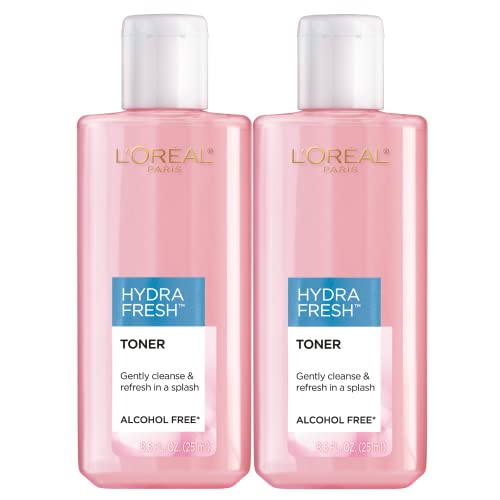
Alcohol-Free Toner for Face: The Gentle Path to Balanced Skin
Discover why alcohol-free toners are the foundation of a healthy, balanced skincare routine. Learn how to choose the perfect toner for your skin type and get expert tips for best results.
START YOUR SKINCARE JOURNEYWhat Is an Alcohol-Free Toner?
An alcohol-free toner is a water-based skincare product designed to refresh, hydrate, and balance the skin's pH level without the use of drying alcohols like denatured alcohol or ethanol. Unlike traditional astringent toners that can strip the skin of its natural oils, alcohol-free formulas rely on gentle, nourishing ingredients such as rose water, green tea, aloe vera, and hyaluronic acid. These toners help to remove any residual impurities after cleansing, prep the skin for better absorption of serums and moisturizers, and provide a soothing, calming effect—making them ideal for all skin types, especially sensitive, dry, and acne-prone skin.
If you've ever experienced a tight, stinging sensation after using a toner, it's likely the alcohol content. Many conventional toners contain high levels of alcohol to create a "cooling" effect and quickly remove oil, but this can disrupt your skin's moisture barrier. An alcohol-free toner for face offers a more balanced approach, supporting your skin's natural ecosystem rather than working against it.
Why Choose Alcohol-Free Toner?
Hydration
Alcohol-free toners are packed with humectants that attract and lock in moisture, keeping your skin plump and dewy.
Soothing
Ingredients like aloe vera and chamomile calm irritation and reduce redness, ideal for sensitive skin.
pH Balance
Gently restore your skin's natural pH after cleansing, which is essential for a healthy skin barrier.
Prepares Skin
Creates a perfect canvas for the next steps in your skincare routine, boosting the efficacy of serums and moisturizers.
For those with oily or combination skin, it might seem counterintuitive to avoid alcohol. However, stripping your skin of oil can actually lead to overproduction of sebum, making your skin even oilier. An alcohol-free toner helps balance oil production naturally, keeping your skin clear without the rebound effect.
How to Choose the Right Alcohol-Free Toner
Selecting the best alcohol-free toner depends on your skin type and concerns. Here’s a quick guide:
- For Dry Skin: Look for hydrating ingredients like hyaluronic acid, glycerin, and rose water. These will provide a moisture boost without any tightness.
- For Sensitive Skin: Choose a toner with minimal, soothing ingredients like aloe vera, chamomile, or green tea. Avoid fragrances and essential oils that may cause irritation.
- For Oily/Acne-Prone Skin: Opt for toners with ingredients like salicylic acid, niacinamide, or witch hazel (alcohol-free versions). These help unclog pores and reduce inflammation without overdrying.
- For Combination Skin: A balanced toner with a mix of hydrating and gentle astringent properties works best. Look for labels that mention "balancing" or "for all skin types."
Always check the ingredients list. Avoid anything with denatured alcohol, ethanol, isopropyl alcohol, or SD alcohol. Instead, look for humectants like panthenol, sodium hyaluronate, and plant extracts. Remember, the goal is to moisturize and soothe, not to strip.
How to Use Alcohol-Free Toner
Incorporating an alcohol-free toner into your daily routine is simple and effective. After cleansing your face with a gentle cleanser, pour a small amount of toner onto a reusable cotton pad or into the palms of your hands. Gently swipe the toner across your face and neck, avoiding the eye area. You can also pat it into your skin with your hands for better absorption. Follow up with a serum, moisturizer, and sunscreen during the day.
For best results, use your toner twice daily—morning and night—as part of your complete skincare routine. It's the bridge between cleansing and moisturizing, ensuring your skin is perfectly prepped to receive the maximum benefits from your other products.
Alcohol-Free vs. Alcohol-Based Toner
| Feature | Alcohol-Free Toner | Alcohol-Based Toner |
|---|---|---|
| Skin Feel | Soft, hydrated, and smooth | Stripped, tight, and dry |
| Best For | All skin types, especially sensitive, dry, and acne-prone | Very oily skin (use with caution) |
| Main Ingredients | Water, glycerin, hyaluronic acid, plant extracts | Denatured alcohol, ethanol, fragrance |
| Long-Term Effect | Strengthens skin barrier, improves hydration | Damages barrier, leads to overproduction of oil |
As the table shows, alcohol-free toners are the superior choice for long-term skin health. They work with your skin's natural biology to keep it balanced, hydrated, and resilient.
Key Ingredients in the Best Alcohol-Free Toners
- Hyaluronic Acid: A powerful humectant that draws moisture into the skin, keeping it plump and youthful.
- Rose Water: Soothes irritation, reduces redness, and provides a gentle, natural fragrance.
- Green Tea: Packed with antioxidants that protect against environmental damage and calm inflammation.
- Aloe Vera: A classic soothing agent that hydrates and heals sensitive or irritated skin.
- Niacinamide: A form of Vitamin B3 that brightens skin, minimizes pores, and improves elasticity.
- Panthenol (Vitamin B5): A moisturizing and soothing ingredient that helps repair the skin barrier.
When shopping, look for these ingredients on the label. They are the pillars of a gentle, effective toner that will elevate your skincare routine without any of the drawbacks of harsh alcohols.
Frequently Asked Questions
Is alcohol-free toner suitable for oily skin?
Absolutely. Alcohol-free toners help balance sebum production, preventing the skin from overproducing oil in response to being stripped. It's a healthier, more effective approach to managing oily skin.
Can I use alcohol-free toner every day?
Yes, it's gentle enough for twice-daily use. In fact, consistent use is key to seeing the long-term benefits of balanced, hydrated skin.
How long does it take to see results?
You may notice an immediate soothing effect. For more significant improvements in hydration and texture, you can expect to see changes within 2-4 weeks of consistent use.
Can I use it around my eyes?
It's best to avoid the immediate eye area to prevent any potential irritation. Use a dedicated eye cream for that delicate area.