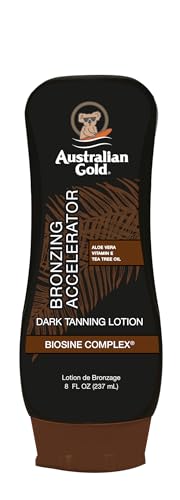
Tanning Oil Accelerator: Your Guide to a Faster, Deeper Tan
Understand how tanning oil accelerators work, which ingredients actually help, and how to use them safely for a richer, more even glow.
START LEARNINGQuick Overview: A tanning oil accelerator combines nourishing oils with ingredients that support melanin production. Used correctly, it can help you achieve a deeper tan in less time — but only when paired with smart sun practice and proper skin protection.
What Is a Tanning Oil Accelerator?
A tanning oil accelerator is a skincare product designed to speed up the skin's natural tanning response. Unlike a basic tanning oil that mainly moisturizes and adds shine, an accelerator includes active ingredients — such as tyrosine, melanin boosters, or plant extracts — that encourage the skin to produce more melanin when exposed to UV light.
The result is a faster, deeper tan with potentially fewer tanning sessions. Most accelerators are formulated with a blend of carrier oils like coconut, argan, or jojoba, plus botanical extracts and sometimes bronzing agents for an immediate glow. If you are still building your tanning kit, pairing an accelerator with a tanning mitt helps you apply it evenly and avoid patchy results.
It is important to understand that an accelerator is not a sunscreen. Many formulas contain little to no SPF, so they should be used as part of a responsible sun routine — not as a replacement for sun protection.
How Tanning Oil Accelerators Work
Stimulates Melanin
Ingredients like tyrosine and copper peptides support the skin's natural melanin production, which is responsible for the color of your tan.
Boosts Moisture
Hydrated skin tans more evenly. Oils such as argan and coconut help lock in moisture, reducing flaking and uneven fading.
Enhances Light Absorption
A thin layer of oil can help UV rays reach the skin more consistently, though this also means you must be extra careful about overexposure.
Adds Immediate Glow
Many formulas include subtle bronzers or tinted oils that give a temporary sun-kissed look while the real tan develops.
Key Ingredients to Look For
Not all accelerators are created equal. When reading labels, focus on these ingredient families:
- Tyrosine: An amino acid that is a precursor to melanin; one of the most common accelerator actives.
- Copper peptides: Support skin repair and can help enhance tan development.
- Natural oils: Argan, coconut, jojoba, and sunflower oil nourish the skin and improve spreadability. You can also explore using argan oil on face for related skin benefits.
- Botanical extracts: Aloe vera, green tea, and chamomile soothe the skin. See our guide on aloe vera for after-sun care.
- Bronzers: Temporary color agents like DHA or natural caramel give an instant glow.
- Vitamin E: An antioxidant that helps protect the skin from free radical damage.
Avoid formulas with high alcohol content or synthetic fragrances if you have sensitive skin, as these can irritate skin during sun exposure.
How to Apply a Tanning Oil Accelerator
Correct application is the difference between a smooth, golden tan and a patchy, uneven one. Follow these steps:
- Exfoliate first: Use a gentle DIY body scrub or a soft loofah 24 hours before tanning to remove dead skin cells.
- Patch test: Apply a small amount to your inner arm and wait 24 hours to check for reactions.
- Apply evenly: Use a tanning mitt or your hands to spread a thin, even layer over the body. Avoid over-applying on knees, elbows, and ankles.
- Wait before sun exposure: Let the product absorb for 10–15 minutes before stepping into the sun.
- Reapply responsibly: Follow the product instructions; most accelerators are not designed for repeated reapplication throughout the day.
- Moisturize after: Use an after-sun lotion to hydrate and prolong your tan.
Safety and Sun Protection
If you are concerned about sun exposure, you may prefer a sunless route. Self-tanning products and bronzing lotion offer color without UV exposure. For a natural glow without the sun, explore self-tanner options and learn how to maintain your results with a proper self-care routine.
Also keep in mind that healthy skin tans better. A diet rich in antioxidants — see our skin health diet guide — and consistent hydration support the skin's ability to recover from sun exposure.
Choosing the Right Tanning Oil Accelerator
Entry-Level
Basic oil blends with tyrosine and moisturizers. Good for beginners testing how their skin responds to accelerators.
Mid-Range
Formulas with a mix of peptides, bronzers, and botanical extracts. These typically offer better spreadability and a more even finish.
Premium
High-end accelerators often include advanced actives, luxury carrier oils, and anti-aging ingredients. They usually feel lighter and absorb faster.
When comparing products, read the ingredient list rather than relying on marketing claims. A mid-range formula with a thoughtful blend of oils and actives often performs as well as a premium one for most users. If you prefer clean formulations, look for options aligned with clean beauty standards or explore natural beauty alternatives.
Common Mistakes to Avoid
- Skipping exfoliation: Dead skin buildup leads to patchy, uneven tanning.
- Applying too much oil: Excess product can clog pores and cause breakouts on the body.
- Using an accelerator without sun protection: Accelerators are not sunscreen; always protect your skin.
- Tanning during peak UV hours: Early morning and late afternoon are safer for your skin.
- Forgetting after-sun care: Hydration is key to making your tan last. Use an after-sun lotion or a natural bath recipe to soothe the skin.
Frequently Asked Questions
Can I use tanning oil accelerator on my face?
How long does a tan from an accelerator last?
Do accelerators work without sun exposure?
Is it safe to use an accelerator in a tanning bed?
Can I combine a tanning oil accelerator with sunscreen?
Ready for a Deeper, More Even Tan?
Explore our curated selection of tanning oil accelerators below. Compare formulas, read the ingredient breakdowns, and choose the one that fits your tanning routine.
SHOP RECOMMENDED PRODUCTS