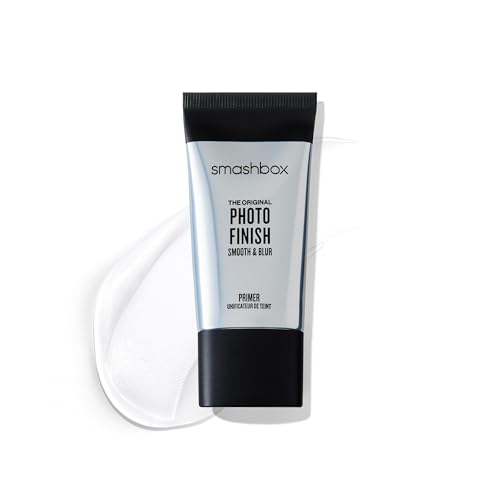
Silicone Based Primer Guide
Discover how silicone-based primers create a smooth, flawless canvas for your makeup. Learn the benefits, best application techniques, and top-rated products for every skin type.
A silicone based primer is a makeup essential that creates a silky, even surface for foundation and other complexion products. Formulated with dimethicone or other silicone derivatives, these primers fill in fine lines, blur pores, and help makeup stay put for hours. Whether you're preparing for a long day at work or a special event, a good silicone primer can be the difference between a makeup look that fades and one that stays fresh.
If you're new to primers or want to upgrade your current one, understanding how silicone-based formulas work is key. This guide covers everything from benefits and potential drawbacks to how to apply them for the best results. We've also curated a list of top-rated silicone primers to help you make an informed purchase.
Key Benefits of Silicone Primer
Blurs Imperfections
Fills in fine lines, wrinkles, and enlarged pores for a smooth, airbrushed finish.
Extends Wear
Creates a barrier that helps foundation and concealer stay in place all day.
Silky Texture
Provides a velvety, non-greasy feel that glides onto the skin effortlessly.
Controls Shine
Absorbs excess oil, making it ideal for combination to oily skin types.
Hydrating Formula
Many silicone primers contain moisturizing ingredients to keep skin comfortable.
Makeup Saver
Prevents foundation from settling into lines or becoming patchy throughout the day.
Pros & Cons of Silicone Primer
✅ Pros
- Instantly smooths skin texture
- Helps makeup last longer
- Non-comedogenic options available
- Great for special occasions and photos
- Can be used alone for a matte finish
⚠️ Cons
- May not suit very dry or flaky skin
- Can feel heavy if over-applied
- Some formulas may pill under certain foundations
- Requires thorough cleansing to remove
How to Use Silicone Based Primer
- Start with clean, moisturized skin. Apply your regular skincare routine and wait a few minutes for products to absorb.
- Use a pea-sized amount. A little goes a long way. Warm it between your fingers before patting onto the skin.
- Focus on areas with visible pores. Concentrate on the T-zone, cheeks, and any areas where you want to blur lines.
- Let it set for 1–2 minutes. Allow the primer to dry and form a smooth base before applying foundation.
- Apply foundation with a damp sponge or brush. Use a patting or stippling motion to avoid disturbing the primer layer.
Frequently Asked Questions
Silicone primers are ideal for normal, combination, and oily skin types. They help control shine and blur imperfections. If you have dry or flaky skin, look for a hydrating silicone primer or apply a rich moisturizer first.
Yes, but for best results, pair it with a foundation that has a similar silicone or water-based formula. Some water-based foundations may not adhere well to a heavy silicone base, so check the ingredients or do a patch test.
Use an oil-based cleanser or a cleansing balm followed by a gentle face wash. This ensures all the silicone is thoroughly removed without clogging pores.
Not necessarily. Look for non-comedogenic formulas that won't clog pores. Many silicone primers are oil-free and safe for acne-prone skin, but always test a small area first.
Related guides: Makeup • Lightweight Foundation • Eye Shadow Primer • Non-Comedogenic Makeup
Final Thoughts
A silicone based primer is a game-changer for anyone seeking a flawless, long-lasting makeup look. By filling in pores and fine lines, it creates a perfect canvas that helps your foundation perform at its best. Whether you're a makeup enthusiast or just starting out, adding a quality silicone primer to your routine can elevate your entire makeup experience. Explore our recommended products below and find the one that suits your needs.