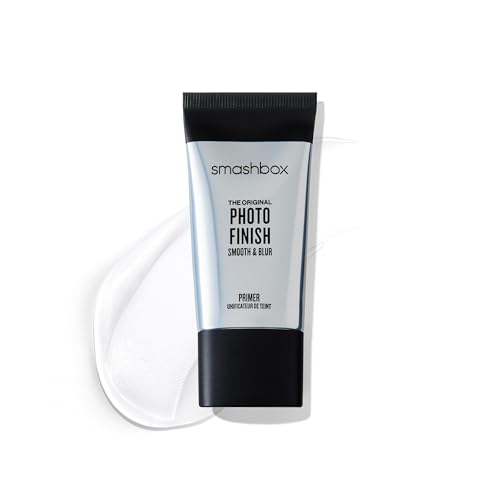
Water-Based Primer: The Ultimate Guide to a Hydrated, Flawless Base
Learn everything you need to know about water-based primers, from their skin benefits to application techniques. Achieve a smooth, long-lasting makeup look with this comprehensive guide.
If you've ever struggled with makeup that looks cakey, feels heavy, or simply doesn't last, your primer might be the issue. The secret to a flawless, natural-looking base often lies in choosing the right formula. Enter the water-based primer – a game-changer for anyone seeking hydration, a lightweight feel, and a radiant, skin-like finish. This guide will walk you through everything you need to know about water-based primers, helping you achieve a professional-looking makeup application every time.
What is a Water-Based Primer?
A water-based primer is a makeup base formulated with water as its primary ingredient, rather than oil or silicone. This gives it a lightweight, gel-like texture that absorbs quickly into the skin, providing a burst of hydration without leaving a greasy or heavy residue. It's the perfect choice for achieving a smooth, canvas-like surface that enhances the longevity and finish of your makeup.
Benefits of Using a Water-Based Primer
Choosing the right primer is crucial for a flawless makeup application. A water-based primer offers a range of benefits that make it a standout choice for many skin types and makeup styles:
- Intense Hydration: The high water content provides an instant boost of moisture, plumping the skin and creating a smooth surface for foundation application.
- Lightweight & Breathable: Unlike heavier silicone-based primers, water-based formulas feel almost weightless on the skin, allowing it to breathe. This is particularly beneficial for those who dislike the feel of heavy makeup.
- Natural, Radiant Finish: Water-based primers impart a subtle, healthy glow rather than a matte or overly dewy look, making them ideal for achieving a "your skin but better" effect.
- Prevents Cakiness: By hydrating the skin and filling in fine lines without adding bulk, these primers help prevent foundation from settling into creases or looking cakey.
- Compatible with Water-Based Foundations: Using a primer and foundation with the same base (water or silicone) is a fundamental rule of makeup. A water-based primer is the perfect partner for your water-based foundations.
Who is a Water-Based Primer Best For?
One of the best things about water-based primers is their versatility. They are an excellent choice for a wide range of individuals:
- Dry and Dehydrated Skin: The hydration boost is a lifesaver for dry skin types, preventing foundation from clinging to dry patches and ensuring a smooth, even application.
- Sensitive Skin: With fewer heavy silicones and oils, these formulas are often gentler and less likely to clog pores or cause irritation.
- Normal and Combination Skin: They provide the right amount of hydration without being too heavy, making them a great year-round option for normal to combination skin.
- Anyone Who Prefers a Natural Look: If you love a skin-like, radiant finish, a water-based primer is your go-to. It enhances your skin's natural texture without masking it.
💡 Expert Tip for Oily Skin
While water-based primers are fantastic for hydration, those with very oily skin might initially worry about adding more moisture. The key is to choose a formula that is also oil-free and has a matte or natural finish. This will provide necessary hydration without contributing to excess shine. You can also pair it with a mattifying setting powder. For more specialized skin care, explore our guide on non-comedogenic moisturizers to prevent breakouts while keeping your skin hydrated.
How to Apply a Water-Based Primer
Applying a water-based primer correctly is key to reaping its full benefits. Follow these simple steps for a flawless finish:
- Start with a Clean, Hydrated Face: Wash your face and apply your favorite hydrating toner and moisturizer. Allow the moisturizer to fully absorb for a few minutes.
- Dispense a Small Amount: Water-based primers are often lightweight and spread far. A pea-sized amount is usually sufficient for your entire face.
- Apply to the Center of the Face: Squeeze the primer onto the back of your hand or directly onto your fingertips.
- Blend Outward: Gently press and blend the primer into your skin using your fingertips or a damp makeup sponge. Start from the center of your face (nose and cheeks) and blend outwards to the hairline and jawline.
- Wait for it to Set: Before applying your foundation, give the primer a minute or two to settle into your skin. This allows it to create the perfect grip for your makeup.
- Follow with Your Favorite Foundation: Now you can apply your water-based foundation or any other foundation you love.
⚠️ Common Mistakes to Avoid
Using too much: A common mistake is applying too much primer, which can lead to pilling and an uneven finish. Remember, a little goes a long way. Rubbing it in: Instead of rubbing the primer into your skin, use a pressing and blending motion. This helps it settle into the skin for a smoother base.
Water-Based vs. Silicone-Based Primer
This is one of the most common dilemmas in the makeup world. The choice fundamentally comes down to your skin type and the foundation you plan to use.
- Water-Based Primer: Ideal for dry to normal skin. Provides hydration, feels lightweight, and offers a natural, radiant finish. It works best with water-based foundations.
- Silicone-Based Primer: Great for oily skin. It's packed with dimethicone, which fills in large pores and fine lines for a super smooth, matte surface. However, it can feel heavy and is more likely to cause breakouts if not properly cleansed. It's formulated to work best with silicone-based foundations.
Remember the Golden Rule: For the best results, pair your primer and foundation that have the same base – water with water, silicone with silicone. For more tips on creating a flawless makeup base, don't miss our articles on how to use a makeup setting spray to lock in your look and achieve all-day wear.
Frequently Asked Questions (FAQ)
Can I use a water-based primer with a silicone-based foundation?
Yes, you can, but you may not get the best results. The layers may separate, leading to patchy makeup that doesn't last as long. It's always recommended to match your bases (water with water, silicone with silicone) for the most seamless and long-lasting application.
Is a water-based primer good for acne-prone skin?
Yes, they can be an excellent choice. They are typically non-comedogenic and lighter than silicone-based options, making them less likely to clog pores. Just make sure to check the ingredient list for any known irritants. For a complete skin care routine that helps with acne, you might find our guide on skin care for pimples helpful.
How much water-based primer should I use?
A pea-sized amount is usually enough to cover your entire face. If you have a larger face or want extra hydration, you can use a little more, but be careful not to overdo it, as it can cause your makeup to pill.
Do I need a moisturizer if I use a water-based primer?
Yes, a primer is not a replacement for a moisturizer. While a water-based primer adds a layer of hydration, a moisturizer provides essential long-term nourishment for your skin. Always apply your moisturizer first and let it absorb before priming.