Best Moisturizer for Itchy Skin: Soothe, Hydrate & Restore
Discover the most effective moisturizers to calm itchy, irritated skin. From ceramide-rich creams to oat-based lotions, learn which ingredients truly work and find the best product for your skin's needs.
Itchy skin can be frustrating and uncomfortable, often signaling a compromised skin barrier, dryness, or sensitivity. Whether caused by eczema, environmental factors, or harsh skincare products, the right moisturizer for itchy skin can provide immediate relief and long-term healing. This guide breaks down the essential ingredients, product types, and top-rated options to help you make an informed choice.
Key Insight: The best anti-itch moisturizers don't just mask the itch—they repair the skin barrier, lock in hydration, and reduce inflammation. Look for ingredients like ceramides, colloidal oatmeal, shea butter, and hyaluronic acid.
What Causes Itchy Skin?
Understanding the root cause of your itch is the first step to finding relief. Common triggers include:
- Dry Skin (Xerosis): Lack of moisture leads to flaking and irritation.
- Eczema (Atopic Dermatitis): A chronic condition that causes red, inflamed, and itchy patches.
- Contact Dermatitis: Reaction to irritants or allergens in skincare, detergents, or fabrics.
- Environmental Factors: Cold weather, low humidity, and indoor heating can strip moisture.
- Harsh Skincare: Over-exfoliating or using products with alcohol, fragrances, or sulfates.
Choosing a moisturizer designed for itchy skin is crucial because it addresses these root causes while providing soothing relief.
Key Ingredients in Anti-Itch Moisturizers
Not all moisturizers are created equal. When your skin is itchy, you need a formula that combines humectants, emollients, and occlusives with calming actives. Here are the top ingredients to seek out:
Colloidal Oatmeal
Clinically proven to soothe itching and inflammation. A natural skin protectant that locks in moisture.
Ceramides
Essential lipids that repair the skin barrier, preventing moisture loss and reducing sensitivity.
Shea Butter
Rich in fatty acids, it deeply nourishes and calms irritated, dry skin.
Hyaluronic Acid
A powerful humectant that draws water into the skin, providing intense hydration without heaviness.
Niacinamide
Anti-inflammatory and barrier-strengthening, it helps reduce redness and improve skin resilience.
Panthenol (Vitamin B5)
Soothes, moisturizes, and promotes skin healing—ideal for irritated skin.
For a deeper dive into specific active ingredients, explore our guides on niacinamide serums and ceramide-rich moisturizers.
Types of Moisturizers for Itchy Skin
The texture and formulation matter just as much as the ingredients. Here’s how to choose based on your skin type and preference:
🟢 Creams
Thicker than lotions, creams are ideal for moderate to severe dryness. They offer a good balance of hydration and emollient properties, making them suitable for face and body. Look for fragrance-free options with ceramides or oatmeal.
🟢 Ointments
Ointments like petroleum jelly or those with high oil content are the most occlusive. They trap moisture and are excellent for extremely dry, cracked, or compromised skin. Best used at night or on small patches.
🟢 Lotions
Lightweight and water-based, lotions are better for mild dryness or as a daytime option. If your skin is very itchy, a cream or ointment will often provide longer-lasting relief.
🟢 Balms
Often made with natural butters and oils, balms are solid at room temperature and melt upon contact. They are deeply nourishing and perfect for localized dry spots.
For combination skin or those prone to acne, a non-comedogenic, oil-free moisturizer might be preferable, but always prioritize calming ingredients.
How to Apply Moisturizer for Maximum Relief
Proper application technique can enhance the effectiveness of your moisturizer and speed up relief:
- Apply to Damp Skin: After cleansing, gently pat skin dry, leaving it slightly damp. This helps lock in water.
- Use Gentle Pressure: Avoid rubbing; instead, gently massage the moisturizer in upward motions.
- Don’t Forget the Neck & Hands: These areas are often exposed and prone to dryness.
- Layer with a Serum: For extra hydration, consider a hydrating serum underneath your moisturizer.
- Reapply as Needed: Itchy skin may require reapplication 2-3 times a day, especially after washing hands or showering.
Pro Tip: For severe itching, store your moisturizer in the fridge. The cooling effect can provide additional immediate relief.
Lifestyle Tips to Prevent Itchy Skin
While a great moisturizer is essential, preventing itch starts with holistic skin care habits:
- Use a Gentle Cleanser: Avoid stripping your skin's natural oils. Opt for fragrance-free, hydrating cleansers.
- Take Shorter, Lukewarm Showers: Hot water can exacerbate dryness and irritation.
- Humidify Your Space: Using a humidifier, especially in winter, can prevent skin from drying out.
- Wear Soft Fabrics: Cotton and silk are breathable and less likely to irritate sensitive skin.
- Stay Hydrated: Drinking enough water supports overall skin health.
For a complete routine, check our guide on building a skincare routine for sensitive skin.
Your Next Step: Choosing the Right Product
Selecting the best moisturizer for itchy skin depends on your specific triggers and skin type. If you have eczema, look for the National Eczema Association Seal of Acceptance. If your skin is just dry and sensitive, a fragrance-free, ceramide-rich cream is a safe bet. Always patch-test new products and introduce them gradually.
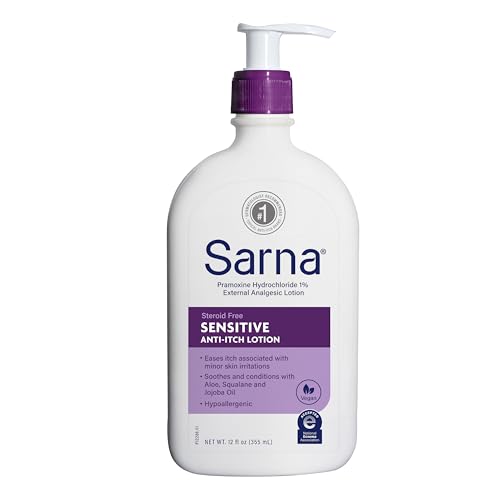
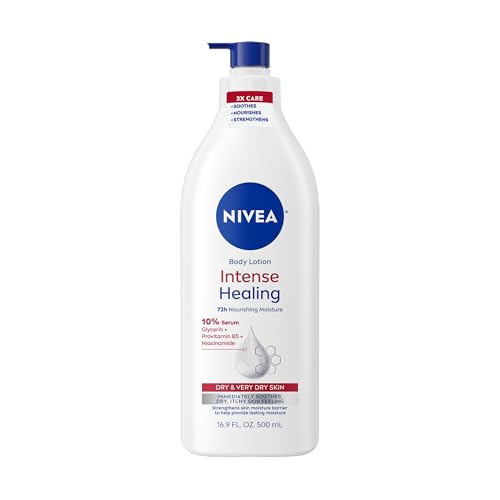
Below, we’ve curated a selection of top-rated, dermatologist-recommended moisturizers to help you get started. Each product is chosen for its proven ability to soothe, hydrate, and restore itchy, irritated skin.