Makeup for Sensitive Skin: A Complete Expert Guide
Find the safest, most gentle makeup products for sensitive skin. Learn which ingredients to avoid, how to patch-test, and discover dermatologist-recommended formulas that deliver beauty without irritation.
Start Your Safe Beauty JourneyWhy This Guide Matters: If you have sensitive skin, finding the right makeup can feel like a minefield. One wrong product can lead to redness, breakouts, itching, or burning. This guide cuts through the confusion, giving you expert-backed advice to choose makeup that works with your skin, not against it. We'll help you build a routine that's both beautiful and gentle.
Understanding Sensitive Skin and Makeup
Sensitive skin is characterized by a heightened reaction to environmental factors and topical products. Symptoms can include redness, stinging, burning, tightness, and dryness. When it comes to makeup, the wrong formula can trigger a flare-up, making you feel like you have to choose between looking good and feeling comfortable. The good news is that the beauty industry has made significant strides in creating hypoallergenic, dermatologist-tested, and non-comedogenic formulas specifically designed for sensitive skin. This guide will walk you through everything you need to know to make safe, informed choices.
Essential Tips for Makeup on Sensitive Skin
1. Always Patch-Test
Before committing to a new product, apply a small amount to your inner wrist or behind your ear. Wait 24-48 hours to see if any reaction occurs. This simple step can save you from a full-face flare-up.
2. Choose "Fragrance-Free"
Fragrance is a common irritant. Look for products labeled "fragrance-free" (not just "unscented," which can still contain masking fragrances). Essential oils can also be problematic for sensitive skin.
3. Prioritize Mineral Makeup
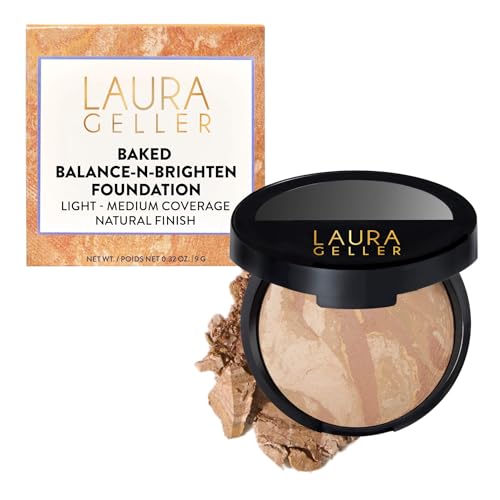
Mineral foundations and powders often contain fewer ingredients and are less likely to clog pores. They're a great option for sensitive, acne-prone skin. Check out our skincare guide for sensitive skin for more support.
4. Read Ingredient Labels
Familiarize yourself with common irritants like alcohol, synthetic dyes, and certain preservatives. Opt for products with a short, recognizable ingredient list.
Ingredients to Avoid and Seek
🚫 Ingredients to Avoid
- Fragrance (Parfum): The #1 irritant.
- Alcohol (Denat., SD): Strips the skin's moisture barrier.
- Formaldehyde Releasers: (e.g., DMDM hydantoin) – common preservatives.
- Synthetic Dyes (FD&C): Can cause allergic reactions.
- Essential Oils: (e.g., citrus, peppermint) – often highly sensitizing.
✅ Ingredients to Seek
- Zinc Oxide / Titanium Dioxide: Gentle, mineral sunscreens and colorants.
- Hyaluronic Acid: Hydrates without irritation.
- Ceramides: Help repair the skin's natural barrier.
- Aloe Vera: Soothes and calms inflammation.
- Niacinamide: Reduces redness and strengthens the skin barrier.
Recommended Product Types for Sensitive Skin
When shopping for makeup, these product categories are often your safest bet. Remember, what works for one person might not work for another, so always patch-test.
🖌️ Foundation & Concealer
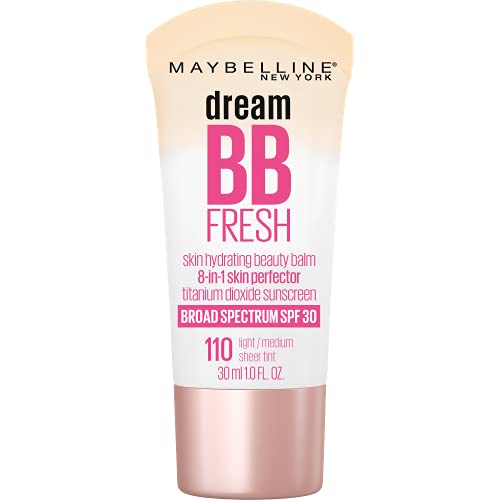
Look for mineral powders or liquid foundations with minimal ingredients. Non-comedogenic is key to avoid breakouts. For a flawless, skin-like finish, consider a cream foundation for mature skin as they often contain hydrating, soothing ingredients.
👁️ Eye Makeup
The eye area is particularly sensitive. Opt for pencils and powders over liquids, which can contain more preservatives. For a safe and stunning look, explore eye makeup for dark eyes with gentle formulas.
💋 Lip Products
Avoid lip products with plumping agents (like cinnamon or peppermint) that can cause a burning sensation. Clear lip gloss and gentle tinted balms are excellent choices. For more color, lip oil for dry lips provides hydration and a sheer tint.
🧴 Setting & Primer
Primers can create a barrier between your skin and makeup. Look for silicone-free, soothing primers. A gentle setting spray can help your makeup last without irritating your skin.
Building Your Sensitive-Skin Makeup Routine
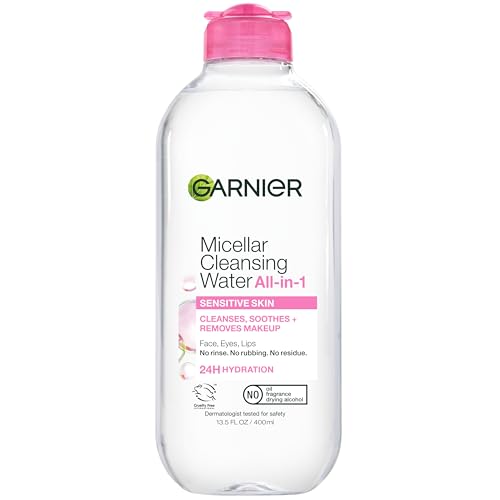
A good routine starts with skin prep. Always start with a clean, moisturized face. Use a gentle, fragrance-free moisturizer to create a smooth canvas. When applying makeup, use clean brushes and sponges to prevent bacteria build-up. At the end of the day, remove your makeup with a gentle cleanser and follow up with a hydrating face toner for sensitive skin to restore balance. Remember to always listen to your skin – if a product stings or feels uncomfortable, wash it off immediately.
Final Expert Advice: Navigating makeup with sensitive skin is a journey. Don't get discouraged by a bad reaction. Use it as data to understand what doesn't work for you. With the right knowledge and careful selection, you can enjoy a full range of beautiful makeup looks without compromising your skin's health. Always consult a dermatologist if you have persistent concerns.