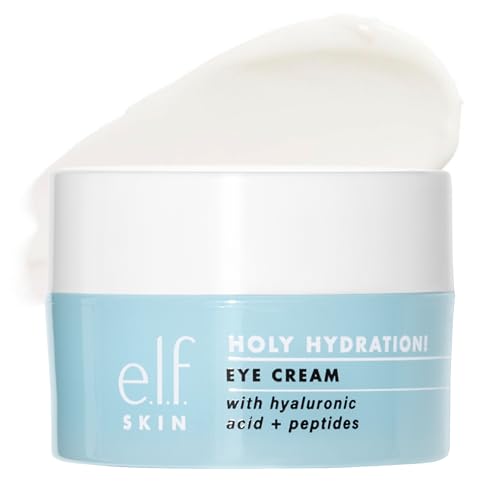
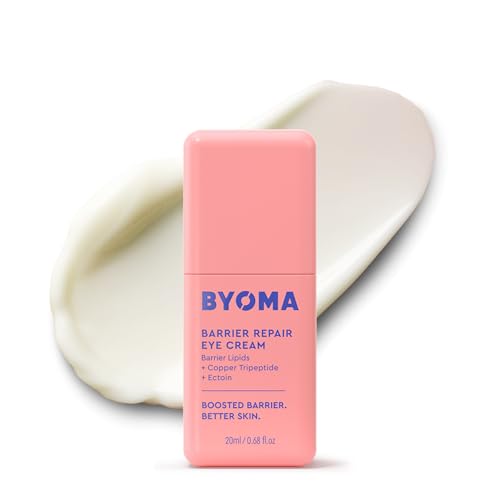
Ultimate Hydrating Eye Cream Guide
Discover the best under-eye moisturizers to combat dryness, fine lines, puffiness, and dark circles. Our expert guide helps you choose the perfect eye cream for your skin type and concerns.
The delicate skin around your eyes is up to 10 times thinner than the rest of your face, making it more susceptible to dehydration, fine lines, and fatigue. A hydrating eye cream is not just a luxury—it's a necessity for maintaining a youthful, refreshed appearance. Whether you're dealing with early signs of aging, chronic puffiness, or stubborn dark circles, the right eye cream can transform your eye area.
In this comprehensive guide, we'll explore the key ingredients to look for, how to apply eye cream correctly, and our top recommendations for every budget and concern. By the end, you'll have all the knowledge you need to make an informed purchase.
Why Your Eyes Need Special Care
The skin under your eyes lacks oil glands and has minimal collagen, making it prone to dryness and wrinkles. Daily exposure to screens, UV rays, and environmental pollutants accelerates aging. A dedicated hydrating eye cream delivers concentrated moisture and active ingredients that facial moisturizers simply can't provide due to their heavier formulations.
💧 Intense Hydration
Locks in moisture to plump the skin, reducing the appearance of fine lines.
🌿 Reduces Puffiness
Ingredients like caffeine and green tea constrict blood vessels and drain fluid.
✨ Brightens Dark Circles
Vitamin C, niacinamide, and retinol help fade hyperpigmentation.
🛡️ Protects Barrier
Ceramides and peptides strengthen the skin's natural defense.
If you're new to eye care, consider starting with a basic under-eye cream and then progressing to more targeted treatments like eye cream with retinol for advanced anti-aging benefits.
Key Ingredients in Hydrating Eye Creams
Not all eye creams are created equal. Understanding ingredients is crucial for selecting a product that addresses your specific concerns. Here are the most effective components to look for:
- Hyaluronic Acid: A moisture magnet that holds up to 1000x its weight in water, instantly plumping the under-eye area.
- Caffeine: Reduces puffiness and dark circles by constricting blood vessels and improving circulation.
- Peptides: Signal the skin to produce more collagen, firming the skin and smoothing wrinkles.
- Vitamin C (L-ascorbic acid): Brightens dark circles and protects against free radical damage.
- Retinol (Vitamin A): Accelerates cell turnover to reduce fine lines and improve texture. Use with caution around the eyes.
- Niacinamide (Vitamin B3): Calms inflammation, strengthens the skin barrier, and evens out skin tone.
- Ceramides: Restore the skin barrier, preventing moisture loss.
For best results, choose an eye cream that combines several of these ingredients. For example, a formula with hyaluronic acid and caffeine tackles both dryness and puffiness, while a retinol and peptide combination addresses multiple signs of aging.
How to Apply Eye Cream for Maximum Results
Even the best hydrating eye cream won't work if applied incorrectly. Follow these steps to ensure you're getting the most out of your product:
- Use your ring finger: It applies the least pressure, preventing trauma to the delicate skin.
- Apply a pea-sized amount: A little goes a long way. Too much can cause milia (small white bumps).
- Dab, don't rub: Gently pat the cream along the orbital bone, starting from the inner corner and moving outward.
- Apply morning and night: Consistent use is key. In the morning, follow with sunscreen. At night, apply after cleansing and before heavier creams.
- Wait a minute before applying other products: Let the eye cream absorb fully.
For an extra cooling effect, store your eye cream in the refrigerator. This helps reduce puffiness and soothes tired eyes.
Choosing the Right Eye Cream for Your Skin Type
Your skin type and primary concerns will dictate the best eye cream formula for you. Use this guide to narrow down your options:
- Dry Skin: Look for rich, creamy textures with hyaluronic acid, shea butter, and ceramides. Avoid gels that may evaporate quickly.
- Oily or Acne-Prone Skin: Opt for lightweight, oil-free gels or serums. Ingredients like niacinamide and hyaluronic acid are ideal.
- Sensitive Skin: Choose fragrance-free formulas with calming ingredients like aloe vera, chamomile, and green tea. Avoid retinol and essential oils.
- Mature Skin (50+): Prioritize peptide-rich creams and retinol for collagen stimulation. Look for thicker balms for intense overnight hydration.
- Dark Circles: Seek out vitamin C, niacinamide, and caffeine. A slightly tinted eye cream can also provide instant brightening.
- Puffiness: Caffeine and cooling metal applicators are your best friends. Rollerball applicators provide a gentle massage.
💡 Pro Tip: If you're unsure, start with a versatile under-eye cream that offers broad benefits. You can always layer with a targeted serum for specific concerns.
Frequently Asked Questions About Hydrating Eye Cream
Can I use regular moisturizer under my eyes?
While you can, regular moisturizers are often too heavy and may contain irritating fragrances. They lack the targeted active ingredients that eye creams provide. For optimal results, a dedicated eye cream is recommended.
At what age should I start using eye cream?
It's never too early to start. In your 20s, a hydrating eye cream can prevent early signs of aging. In your 30s and beyond, incorporate anti-aging ingredients like retinol and peptides.
How long does it take to see results?
Hydration effects are immediate. For dark circles and fine lines, expect to see noticeable improvements in 4–6 weeks of consistent use. Retinol-based creams may take up to 12 weeks.
Can eye cream cause milia?
Yes, if you use a heavy formula that your skin can't absorb. Always apply a small amount and choose lightweight products if you're prone to milia.
What's the difference between eye cream and eye serum?
Eye serums have a thinner consistency and contain a higher concentration of active ingredients, making them ideal for targeted treatment. Eye creams are thicker and focus on hydration and barrier protection. You can use both: serum first, then eye cream.
For more insights on eye care, explore our guide on eye patches and eye curlers for a complete eye beauty routine.
Final Thoughts: Invest in Your Eyes
The eyes are often the first place to show signs of fatigue and aging. A hydrating eye cream is a small investment that yields significant returns in your overall appearance and confidence. By choosing a product that matches your skin type and concerns, applying it correctly, and being consistent, you can maintain a bright, youthful eye area for years to come.
Remember, the best eye cream is the one that works for your unique needs. Use this guide as your roadmap, and don't hesitate to experiment with samples before committing to a full-size product. Your eyes will thank you.
Explore more beauty guides: Getting Started with Skincare | Luxury Skincare Routines | Clean Beauty Guide