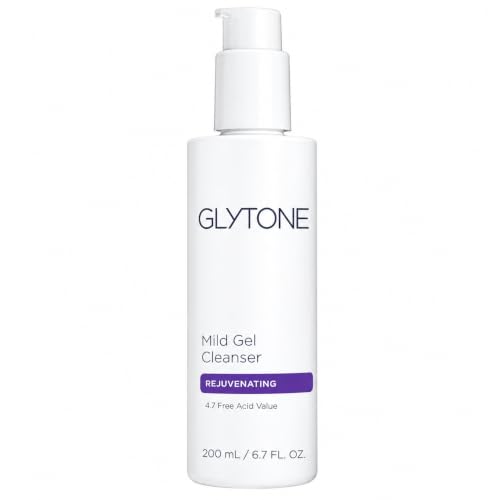
Glycolic Acid Face Wash: Your Key to Brighter, Smoother Skin
Unlock the power of AHA exfoliation. Learn how a glycolic acid cleanser can gently resurface your skin, fade dark spots, and clear breakouts.
Shop Top Glycolic Washes →If you've been searching for a way to achieve that coveted glowing, even-toned complexion, a glycolic acid face wash might be the game-changer your skincare routine needs. As one of the most effective alpha-hydroxy acids (AHAs), glycolic acid is celebrated for its ability to exfoliate the skin's surface, revealing a fresher, more radiant layer underneath. Unlike harsh physical scrubs, a glycolic acid cleanser offers a gentle chemical exfoliation that can transform your skin over time.
This guide dives deep into everything you need to know about glycolic acid face washes. We’ll cover the science behind how they work, their key benefits for various skin concerns, and how to safely incorporate them into your daily regimen. By the end, you'll have all the knowledge you need to choose the right product for your skin type and start your journey to a clearer, more luminous complexion.
What Is Glycolic Acid and How Does It Work?
Glycolic acid is a water-soluble alpha-hydroxy acid derived from sugar cane. It has the smallest molecular size of all AHAs, which allows it to penetrate the skin more deeply and effectively than other acids like lactic or mandelic acid. This unique property makes it a superstar ingredient in many skin care face wash products.
When you use a glycolic acid cleanser, it works by breaking down the bonds between dead skin cells on the stratum corneum (the outermost layer of your skin). This process, known as exfoliation, encourages cellular turnover, allowing newer, healthier skin cells to come to the surface. The result is a smoother, brighter, and more even complexion. This mechanism also helps to unclog pores, making it an excellent choice for those struggling with congestion and mild acne.
Key Insight: Because of its small molecular size, glycolic acid is one of the most potent and effective AHAs. However, this also means it requires careful introduction into your routine to avoid irritation.
Top Benefits of Using a Glycolic Acid Face Wash
Incorporating a glycolic acid face wash into your daily routine offers a wide array of benefits, making it a versatile addition to almost any skincare regimen. Here are some of the most compelling reasons to give it a try:
- Exfoliates and Smooths Skin Texture: Regular use gently removes the buildup of dead skin cells, leaving your skin feeling incredibly smooth and soft. This is one of the primary reasons it's a favorite in many luxury skincare lines.
- Fades Dark Spots and Hyperpigmentation: By promoting cellular turnover, glycolic acid helps to fade sun spots, age spots, and post-acne marks, resulting in a more even skin tone. It's a key ingredient for those looking to address dark spots.
- Reduces the Appearance of Fine Lines and Wrinkles: The exfoliation process stimulates collagen production, which can help plump the skin and diminish the visibility of fine lines and wrinkles over time.
- Helps with Acne and Breakouts: By unclogging pores and reducing inflammation, glycolic acid can be highly effective in managing mild to moderate acne and preventing future breakouts.
- Enhances Product Absorption: Once the layer of dead skin is removed, your other skincare products—like face serum and moisturizers—can penetrate more deeply and work more effectively.
- Brightens Dull Complexion: The increased cellular turnover reveals fresh, new skin cells, instantly brightening a tired-looking complexion and giving you that enviable "glow."
In essence, a glycolic acid cleanser acts as a multi-tasking powerhouse, addressing numerous common skin concerns simultaneously.
How to Choose and Use a Glycolic Acid Face Wash
Choosing the right glycolic acid face wash depends largely on your skin type and sensitivity. Glycolic acid is generally well-tolerated, but it's essential to start slow. For beginners, look for a face wash with a concentration between 5% and 10%. If you have sensitive skin, you might want to start with a lower percentage or use it only a few times a week.
Here’s a simple step-by-step guide on how to use it for the best results:
- Start Slow: Begin by using your glycolic acid cleanser every other night or even just twice a week. This allows your skin to build tolerance without experiencing irritation or redness.
- Apply to Damp Skin: Wet your face with lukewarm water. Apply a small amount of the cleanser and massage gently onto your skin for about 60 seconds, avoiding the delicate eye area. This ensures the acid has enough time to work.
- Rinse Thoroughly: Rinse your face thoroughly with lukewarm or cool water. Make sure no residue is left behind.
- Follow with Hydration: Immediately follow up with a hydrating toner for face, a nourishing non-comedogenic face moisturizer, and a broad-spectrum sunscreen during the day. Glycolic acid can increase sun sensitivity, so daily SPF is non-negotiable.
- Gradually Increase Frequency: As your skin acclimates, you can increase usage to once daily. If you experience any stinging or excessive dryness, take a break and reduce the frequency.
Pro Tip: Avoid combining a glycolic acid wash with other strong active ingredients like retinol or high-strength vitamin C in the same routine to prevent over-exfoliation. You can use them on alternate days or in different routines (e.g., glycolic in the AM and retinol in the PM).
Is Glycolic Acid Face Wash Right for You?
One of the best things about a glycolic acid cleanser is its versatility. It can benefit a wide range of skin types:
- Oily and Acne-Prone Skin: Its exfoliating and pore-clearing properties make it ideal for those dealing with breakouts and excess oil. It's a great alternative to harsher acne treatments.
- Dry and Dull Skin: By removing the dry, flaky dead skin cells, it can reveal a more radiant complexion and help your moisturizers absorb better.
- Mature Skin: The collagen-boosting benefits can help to minimize the appearance of fine lines and wrinkles, making it a staple in anti-aging routines.
- Skin with Hyperpigmentation: Its ability to fade dark spots and even out skin tone makes it a valuable tool for those dealing with sun damage or post-inflammatory hyperpigmentation.
However, it's crucial to be aware of who should avoid it. People with very sensitive skin, rosacea, or eczema may find glycolic acid too irritating. In such cases, a gentler acid like mandelic or lactic acid might be a better choice. Always patch-test a new product and start slowly to see how your skin reacts.
Frequently Asked Questions
- Can I use glycolic acid face wash every day?
Yes, many people can use a gentle glycolic acid cleanser daily. However, if you are new to AHAs, start with 2-3 times a week and gradually increase to daily as your skin builds tolerance. - Is glycolic acid face wash safe for sensitive skin?
It can be, but you must proceed with caution. Choose a lower concentration (5% or less) and use it less frequently. Always follow up with a soothing moisturizer and sunscreen. - Can I use a glycolic acid wash with other acids?
It's best to avoid layering it with other potent exfoliating acids (like salicylic or lactic acid) in the same routine to prevent over-exfoliation. Use them on different days or routines if you wish to incorporate both. - How long does it take to see results?
You may notice an immediate improvement in skin smoothness after the first use. For more significant results like fading dark spots or reducing fine lines, you may need to consistently use the product for 4 to 8 weeks. - Do I need to wear sunscreen when using this?
Absolutely! This is arguably the most critical step. Glycolic acid exfoliates the skin, making it more susceptible to sun damage. Applying a broad-spectrum SPF 30 or higher every morning is essential.
Ready to add a glycolic acid face wash to your routine? Explore our top picks below to find the perfect match for your skin.