Best Facial Cleanser for Combination Skin
Balance your oily T-zone and dry cheeks with the right cleanser. Learn which ingredients work, which to avoid, and how to build a routine that keeps your skin clear, calm, and comfortable.
Combination skin is the most common skin type, yet it’s often misunderstood. You may experience an oily forehead, nose, and chin while your cheeks and jawline feel tight or flaky. The wrong cleanser can worsen both extremes — stripping your dry areas while overstimulating oil production in your T-zone. Choosing a facial cleanser for combination skin is about finding a gentle, pH-balanced formula that removes impurities without disrupting your skin’s natural barrier.
If you’re just starting your skincare journey, our getting started guide covers the basics of building a routine that works for your unique skin type.
What to Look for in a Cleanser for Combination Skin
The ideal cleanser for combination skin balances two goals: deep cleansing for your oily zones and gentle hydration for your dry patches. Look for these characteristics:
- pH-balanced (4.5–5.5) – maintains your acid mantle, which keeps bacteria and irritation at bay.
- Gel or cream-to-foam texture – provides a thorough cleanse without over-drying.
- Non-comedogenic – won’t clog pores, especially important for your T-zone.
- Contains humectants like glycerin or hyaluronic acid to attract moisture to dry areas.
- Mild surfactants – avoid sulfates (SLS) which can strip natural oils and irritate dry patches.
💡 Pro tip: Many people with combination skin benefit from double cleansing — starting with a gentle oil cleanser for oily skin or micellar water, followed by a water-based cleanser. This ensures your sunscreen and makeup are fully removed without over-washing.
Ingredients: Embrace vs. Avoid
Not all cleansers are created equal. Here’s a breakdown of what to look for and what to steer clear of when shopping for a facial cleanser for combination skin.
✅ Embrace
- • Salicylic acid (gentle exfoliation for T-zone)
- • Niacinamide (soothes and balances oil)
- • Ceramides (strengthen skin barrier)
- • Aloe vera & centella asiatica (calming)
❌ Avoid
- • Sodium lauryl sulfate (too stripping)
- • Denatured alcohol (dries out cheeks)
- • Heavy oils (can clog T-zone)
- • Fragrance & essential oils (potential irritants)
For deeper care, consider a hydrating toner for combination skin after cleansing to rebalance moisture levels and prep your skin for serums and moisturizers.
How to Cleanse Combination Skin Correctly
Even the best facial cleanser for combination skin can fall short if your technique is off. Follow these steps for optimal results:
- Wash with lukewarm water – hot water strips moisture, cold water won’t dissolve oils effectively.
- Massage gently for 30–60 seconds – focus on your T-zone, but don’t over-scrub dry areas.
- Rinse thoroughly – leftover product can clog pores or cause irritation.
- Pat dry with a clean towel – never rub, as friction can irritate sensitive spots.
- Follow up with a lightweight moisturizer while skin is still slightly damp to lock in hydration.
If you have persistent dryness on your cheeks, try a gentle cleanser for combination skin that contains oat extract or panthenol. And don’t skip sunscreen — a non-greasy sunscreen for face is essential to protect your skin throughout the day.
Common Cleansing Mistakes (and How to Fix Them)
- ❌ Over-cleansing – washing more than twice a day can dehydrate your skin, making your T-zone produce even more oil.
- ❌ Using a single product for both zones – if you have very oily T-zone and very dry cheeks, consider a balancing cleanser or use a pH-balanced cleanser as your baseline.
- ❌ Skipping moisturizer after cleansing – even oily areas need hydration; skipping it can lead to rebound oiliness.
- ❌ Using physical scrubs daily – mechanical exfoliation can worsen dry patches. Opt for a gentle chemical exfoliant like salicylic acid 2–3 times a week.
📌 Remember: Your skin’s needs can change with seasons, stress, and hormones. Re-evaluate your cleanser every few months and adjust as needed. For more guidance, explore our skincare for aging skin or products for sensitive skin if your combination skin leans sensitive.
Your Next Step: Find Your Perfect Match
Now that you understand the key ingredients, texture, and techniques for combination skin, you’re ready to choose a cleanser that works for you. Look for a product that is soap-free, sulfate-free, and fragrance-free as a starting point. If you have acne-prone combination skin, a face wash with salicylic acid can be a game-changer. If dryness is your main concern, a hydrating cleanser for dry skin might be more suitable, but always check that it’s non-comedogenic.
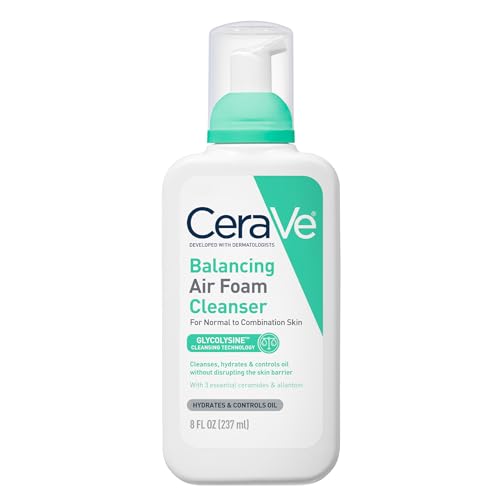
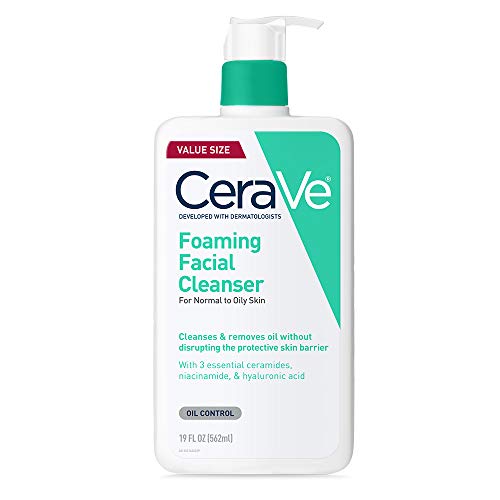
👉 Scroll down to see our top recommended cleansers for combination skin – all carefully selected to balance, cleanse, and comfort your skin.
Still unsure? Our contact page is open for questions, and you can always read our disclaimer and affiliate disclosure to learn more about how we recommend products.