Dermatologist Recommended Vitamin C Serum
Discover why vitamin C is the gold standard in skincare, backed by dermatologists worldwide. Learn how to choose the best serum for your skin and achieve a brighter, more even complexion.
SHOP DERMATOLOGIST PICKSWhy Dermatologists Love Vitamin C: This potent antioxidant neutralizes free radicals, boosts collagen production, and fades dark spots. It's the ultimate multitasker for glowing, healthy skin.
What Makes a Vitamin C Serum Dermatologist-Recommended?
Not all vitamin C serums are created equal. Dermatologists look for specific criteria when recommending a vitamin C serum to their patients. The formulation must be stable, properly formulated, and delivered in a concentration that is both effective and gentle enough for daily use.
A dermatologist recommended vitamin c serum typically contains L-ascorbic acid, the most potent form of vitamin C, at a concentration between 10% and 20%. The serum should also be formulated at a pH below 3.5 to ensure optimal penetration. Additionally, dermatologists often recommend serums that combine vitamin C with other synergistic ingredients like vitamin E and ferulic acid to enhance stability and efficacy.
Top Benefits of Using a Vitamin C Serum Daily
Incorporating a vitamin C serum into your daily routine is one of the best investments you can make for your skin. Here are the key benefits that make it a staple in any dermatologist-recommended skincare regimen:
- Brightening Effect: Vitamin C inhibits melanin production, helping to fade hyperpigmentation, sun spots, and acne scars for a more radiant complexion.
- Collagen Booster: It stimulates collagen synthesis, reducing fine lines and wrinkles while improving skin firmness and elasticity.
- Powerful Antioxidant Protection: It neutralizes free radicals caused by UV exposure and pollution, preventing premature aging.
- Reduces Redness: Its anti-inflammatory properties can help calm redness and even out skin tone.
- Enhances Sunscreen Efficacy: When used under sunscreen, it boosts the skin's defense against UV damage.
How to Choose the Best Vitamin C Serum for Your Skin
With so many options available, selecting the right vitamin C serum can feel overwhelming. Dermatologists recommend paying close attention to the formulation, packaging, and additional ingredients. Here’s a guide to help you make an informed choice:
1. Check the Ingredients: Look for L-ascorbic acid, the purest and most effective form. If you have sensitive skin, you might consider derivatives like magnesium ascorbyl phosphate or sodium ascorbyl phosphate, which are gentler.
2. Concentration Matters: For beginners, start with a lower concentration (10%) to build tolerance. Experienced users can work up to 15% or 20%. Concentrations above 20% can cause irritation without providing additional benefits.
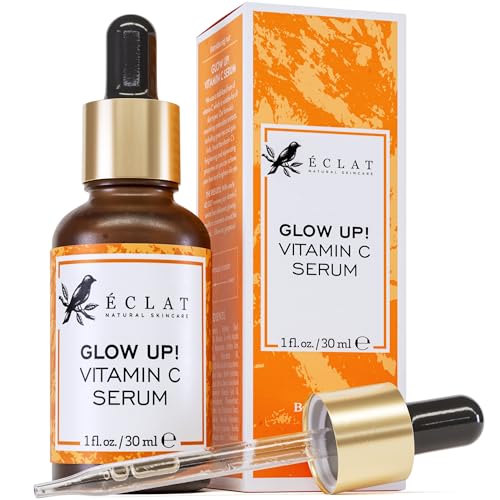
3. Packaging is Key: Vitamin C is notoriously unstable. Choose serums packaged in dark, air-tight glass bottles with droppers to protect it from light and air exposure, which can oxidize the product.
4. pH Level: The formula should have a pH of 3.5 or lower for optimal absorption. This is something dermatologists check when recommending a product.
5. Complementary Ingredients: Serums that combine vitamin C with vitamin E and ferulic acid are more stable and offer superior antioxidant protection. Hyaluronic acid is another great addition for enhanced hydration.
How to Apply Vitamin C Serum for Maximum Results
To get the most out of your dermatologist recommended vitamin c serum, proper application is crucial. Dermatologists recommend the following routine:
Step 1: Cleanse – Start with a gentle, pH-balanced cleanser to prepare your skin. A clean canvas ensures better absorption.
Step 2: Apply Serum – Apply 3-4 drops of serum to your face and neck. Gently pat it in. Avoid rubbing, as this can cause friction and irritation.
Step 3: Moisturize – Lock in the serum with a good moisturizer for dry skin or a lightweight moisturizer for oily skin to keep your skin hydrated.
Step 4: Sunscreen – Always finish with a broad-spectrum sunscreen. This not only protects your skin but also works synergistically with vitamin C to enhance its efficacy.
Potential Side Effects and Who Should Avoid Vitamin C
While vitamin C is generally safe for most skin types, it can cause mild irritation, especially for those with sensitive skin. Dermatologists recommend starting with a lower concentration and applying it every other day to build tolerance.
If you experience redness, stinging, or itching, stop use and consult a dermatologist. Pregnant or breastfeeding women should consult their healthcare provider before introducing new active ingredients. As with any new product, always do a patch test on a small area of your skin before full application.
Vitamin C vs. Other Antioxidants: Why It's Unique
Vitamin C is often compared to other antioxidants like retinol and niacinamide. However, it offers unique benefits that make it irreplaceable. While retinol is great for cell turnover and niacinamide for barrier repair, vitamin C excels in photoprotection and brightening.
Dermatologists often recommend using vitamin C in the morning and retinol at night for a powerful anti-aging regimen. When combined with a non-greasy sunscreen for face, vitamin C provides unmatched protection against environmental damage.
How to Store Your Vitamin C Serum for Longevity
To prevent your serum from oxidizing, store it in a cool, dark place away from direct sunlight. Some people even keep their vitamin C serum in the refrigerator to extend its shelf life. A good vitamin C serum should be clear to pale yellow in color. If it turns dark yellow or brown, it has oxidized and should be replaced.