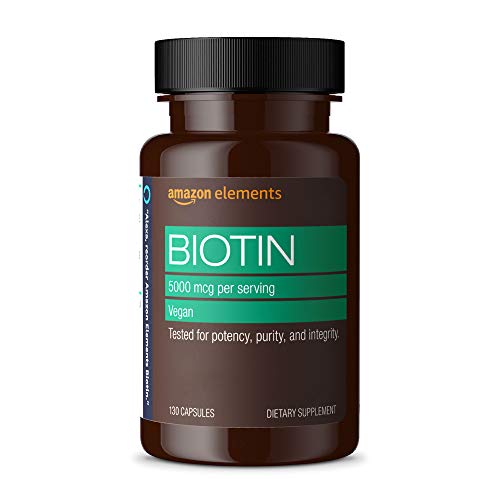
Biotin: The Ultimate Guide to Hair, Skin & Nail Health
Biotin (vitamin B7) is a water-soluble vitamin that plays a key role in keratin production, making it essential for healthy hair, glowing skin, and strong nails. But does it really work? Let's explore the science, benefits, and best ways to incorporate biotin into your routine.
What is Biotin and Why Do You Need It?
Biotin, also known as vitamin B7 or vitamin H, is a B-complex vitamin that helps your body convert food into energy. It's crucial for the health of your hair, skin, and nails because it supports the production of keratin—the protein that makes up these tissues. While biotin deficiency is rare, many people take biotin supplements to promote faster hair growth and improve nail strength.
For those experiencing thinning hair or brittle nails, a biotin supplement may be a helpful addition to your daily routine. It's also found naturally in foods like eggs, nuts, seeds, salmon, and avocados. However, if you're looking for a concentrated dose, supplements are the most effective way to boost your intake.
💇♀️ Hair Growth & Thickness
Biotin supports hair follicle function and may reduce hair shedding. Clinical studies suggest that biotin can improve hair thickness and overall hair health, especially in individuals with a deficiency.
✨ Skin Health & Radiance
Biotin contributes to healthy skin by supporting fatty acid synthesis and reducing inflammation. It helps maintain a smooth, glowing complexion and may help with conditions like dermatitis.
💅 Stronger Nails
Biotin is well-known for strengthening brittle nails. Regular intake can reduce nail splitting and breakage, promoting faster nail growth and improved texture.
⚡ Energy & Metabolism
Biotin is essential for carbohydrate, fat, and protein metabolism. It helps your body use energy efficiently, which indirectly supports overall vitality and wellness.
Recommended Dosage and Safety
The daily recommended intake for biotin is 30 micrograms (mcg) for adults. However, many supplements offer doses ranging from 2,500 mcg to 10,000 mcg. Higher doses are considered safe as biotin is water-soluble, and excess is excreted through urine. However, it's always best to start with a lower dose and consult a healthcare professional if you're pregnant, nursing, or taking medication.
For those looking to support hair growth, a supplement with 5,000–10,000 mcg is commonly used. Pairing biotin with other vitamins like vitamin C, collagen, and zinc can enhance its effects. Remember, results take time—consistent use for 3–6 months is often recommended to see noticeable changes.
If you're also dealing with hair loss, consider exploring hair loss treatment options that combine biotin with other active ingredients like saw palmetto or minoxidil for a comprehensive approach.
Natural Food Sources of Biotin
While supplements are popular, you can also boost your biotin levels through diet. Some of the best food sources include:
- Egg yolks – one of the richest sources (but avoid raw egg whites as they contain avidin, which blocks biotin absorption).
- Nuts and seeds – almonds, walnuts, and sunflower seeds are excellent choices.
- Salmon and sardines – also provide omega-3 fatty acids for skin health.
- Avocados – a great source of biotin and healthy fats.
- Sweet potatoes and mushrooms – plant-based options rich in biotin.
Incorporating these foods into your daily meals can help maintain adequate biotin levels naturally. However, for therapeutic purposes, a high-quality supplement is often more reliable.
💡 Top Pick for Hair Growth: A biotin supplement with 5,000 mcg combined with collagen and vitamin C. This combination supports keratin production, improves hair elasticity, and reduces breakage. Affordable and effective for daily use.
Price range: $15–$30 per bottle (60 capsules).
Who Should Take Biotin?
Biotin is beneficial for everyone, but it's especially useful for people with thinning hair, weak nails, or dry skin. It's also popular among those following a hair growth regimen or recovering from hair loss. If you're on a healthy eating plan, biotin can complement your nutritional intake.
While biotin is generally safe, it's important to note that high doses can interfere with certain lab tests (like thyroid and vitamin D tests). Always inform your doctor if you're taking biotin supplements before undergoing blood work.
For a complete approach to hair and skin health, combine biotin with a balanced diet, proper hydration, and a consistent skincare routine. Remember, consistency is key to seeing results.