Best Sunscreen for Face: Top SPF Picks for Every Skin Type
Discover the best facial sunscreens for oily, dry, sensitive, and acne-prone skin. Expert reviews and tips to help you choose the perfect SPF.
Finding the best sunscreen for face is one of the most important steps in any skincare routine. Sunscreen protects your skin from harmful UVA and UVB rays, preventing premature aging, hyperpigmentation, and reducing the risk of skin cancer. However, with so many options available—from mineral to chemical formulas, and various SPF levels—choosing the right one can feel overwhelming.
This comprehensive guide will help you navigate the world of facial sunscreens. We'll break down the different types, explain how to choose the best formula for your skin care needs, and highlight some of the top-rated products on the market. Whether you have oily, dry, sensitive, or acne-prone skin, you'll find a sunscreen that provides reliable protection without compromising your comfort.
Why Sunscreen is Essential for Your Face
The skin on your face is thinner and more sensitive than the skin on the rest of your body, making it more susceptible to sun damage. Daily sunscreen use offers numerous benefits:
- Prevents premature aging: UV rays break down collagen and elastin, leading to fine lines, wrinkles, and sagging. Regular use of sunscreen helps maintain your skin's youthful appearance.
- Reduces hyperpigmentation: Sun exposure can worsen dark spots, melasma, and post-acne marks. Sunscreen helps prevent these from becoming more prominent.
- Lowers skin cancer risk: According to the Skin Cancer Foundation, daily use of SPF 15 can reduce the risk of squamous cell carcinoma by 40% and melanoma by 50%.
- Protects against UV damage: Sunscreen acts as a barrier, shielding your skin from both UVA (aging) and UVB (burning) rays.
Pro Tip: Sunscreen should be applied every day, regardless of the weather. Up to 80% of UV rays can penetrate clouds, so even on overcast days, your skin needs protection.
Types of Facial Sunscreens: Mineral vs. Chemical
Understanding the differences between mineral and chemical sunscreens is crucial for making an informed choice. Each type has its own set of advantages and considerations.
Mineral (Physical) Sunscreens
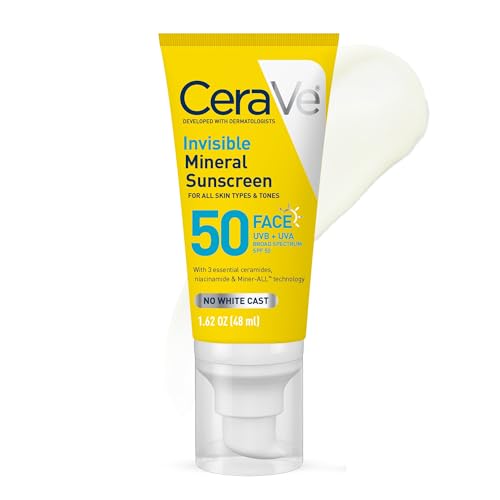
Also known as physical sunscreens, mineral formulas sit on top of the skin and reflect UV rays away. They contain active ingredients like zinc oxide and titanium dioxide.
- Pros: Provide broad-spectrum protection immediately, are less likely to irritate sensitive skin, and are reef-safe.
- Cons: Can leave a white cast, may feel heavier on the skin, and can be harder to blend.
Chemical Sunscreens
Chemical sunscreens absorb UV rays and convert them into heat, which is then released from the skin. Common ingredients include avobenzone, oxybenzone, octinoxate, and homosalate.
- Pros: Lightweight, easy to apply, and typically more cosmetically elegant (less white cast).
- Cons: May cause irritation in sensitive skin types, and some ingredients have been linked to coral reef damage.
Which one should you choose? For sensitive skin, mineral sunscreens are often the safest bet. If you prefer a more lightweight feel, a chemical sunscreen may be more suitable. Many modern sunscreens also combine both types for balanced protection.
How to Choose the Best Sunscreen for Your Skin Type
Your skin type plays a significant role in determining which sunscreen will work best for you. Here's a breakdown of what to look for based on your specific needs:
Best Sunscreen for Oily and Acne-Prone Skin
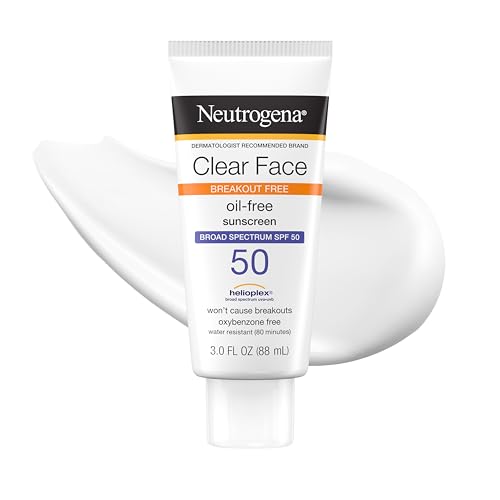
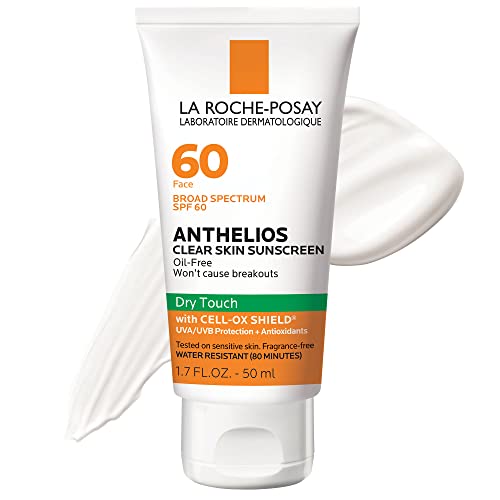
Look for oil-free, non-comedogenic (won't clog pores) formulas. Gel-based or mattifying sunscreens can help control shine. Mineral sunscreens with zinc oxide can also soothe inflamed skin. For additional guidance, check out our guide on oily skin care.
Best Sunscreen for Dry Skin
Opt for sunscreens with hydrating ingredients like hyaluronic acid serum, glycerin, or ceramides. Cream-based sunscreens provide extra moisture and can double as a moisturizer. Learn more about dry skin care.
Best Sunscreen for Sensitive Skin
Mineral sunscreens with zinc oxide or titanium dioxide are generally the safest for sensitive skin. Avoid chemical sunscreens with fragrance, alcohol, or preservatives that can trigger reactions. Explore our sensitive skin guide for more tips.
Best Sunscreen for Combination Skin
Combination skin benefits from lightweight, gel-cream formulas that balance hydration and oil control. Look for sunscreens that are labeled "water-based" or "lightweight" and are suitable for all skin types.
Expert Tip: Always patch-test a new sunscreen on a small area of your skin before applying it to your face, especially if you have sensitive or acne-prone skin.
SPF Levels: What They Mean
SPF (Sun Protection Factor) measures how well a sunscreen protects your skin from UVB rays, which cause sunburn. Here's a quick breakdown:
- SPF 15: Blocks about 93% of UVB rays. Suitable for daily use when you're mostly indoors.
- SPF 30: Blocks about 97% of UVB rays. Recommended for extended outdoor activities.
- SPF 50: Blocks about 98% of UVB rays. Ideal for prolonged sun exposure or for those with fair skin.
For optimal protection, dermatologists recommend using SPF 30 or higher and reapplying every two hours, or immediately after swimming or sweating.
Remember: Higher SPF doesn't mean you can stay in the sun longer. It's still essential to reapply regularly and seek shade during peak UV hours (10 a.m. to 4 p.m.).
Application Tips and Best Practices
Applying sunscreen correctly is just as important as choosing the right formula. Follow these steps for maximum protection:
- Apply generously: Use about a teaspoon (or the "two-finger rule") to cover your entire face, neck, and ears.
- Apply before makeup: Sunscreen should be applied as the last step of your skincare routine, before makeup. Wait 2-3 minutes for it to absorb before applying foundation or powder.
- Reapply regularly: If you're outdoors, reapply every two hours. Use a spray or powder sunscreen for easy reapplication over makeup.
- Don't forget your lips and neck: Use a lip balm with SPF and extend sunscreen down to your neck and chest.
- Check the expiration date: Sunscreen loses its effectiveness over time. If it's expired or has separated, it's time to buy a new one.
Pro Tip: Consider using a sunscreen that doubles as a makeup primer or tinted moisturizer for added convenience and a flawless finish.
Additional Sun Protection Tips
While sunscreen is your first line of defense, combining it with other protective measures will keep your skin even safer:
- Seek shade: Limit direct sun exposure, especially during peak UV hours.
- Wear protective clothing: Wide-brimmed hats, sunglasses, and UPF clothing offer additional protection.
- Avoid tanning beds: They emit harmful UV rays that can damage your skin.
- Stay hydrated: Drink plenty of water to keep your skin healthy and resilient.
For a holistic approach to skin health, explore our healthy living tips for more advice on maintaining radiant, protected skin.
Conclusion: Find Your Perfect Face Sunscreen
Choosing the best sunscreen for face doesn't have to be complicated. By understanding your skin type, the differences between mineral and chemical sunscreens, and what SPF levels mean, you can make an informed decision that protects your skin effectively.
Remember, the best sunscreen is the one you'll use consistently every day. Whether you prefer a lightweight chemical formula, a mineral sunscreen that's gentle on sensitive skin, or a multitasking product that combines sun protection with skincare benefits, there's a perfect option for you.
Explore our curated selection of top-rated facial sunscreens below. Each product has been chosen for its effectiveness, texture, and suitability for different skin types.