Bakuchiol: The Plant-Based Retinol Alternative
Discover the gentle, effective way to achieve smoother, brighter skin without irritation. Your comprehensive guide to bakuchiol.
Bakuchiol is a natural, plant-derived compound extracted from the seeds of the Psoralea corylifolia plant, also known as Babchi. It has been used in traditional Ayurvedic and Chinese medicine for centuries, but recently it has gained massive popularity in modern skincare as a gentler alternative to retinol. If you've been searching for a way to achieve the anti-aging benefits of retinol without the redness, peeling, and irritation, bakuchiol might be your perfect match.
Unlike retinol, which is a form of Vitamin A, bakuchiol is a meroterpene phenol. It works through a different biological pathway but mimics many of the same effects on the skin. It signals the skin to produce more collagen, reduces the appearance of fine lines and wrinkles, and helps improve skin tone and elasticity. The best part? It's suitable for sensitive skin and can even be used during the day without causing photosensitivity.
Key Takeaway: Bakuchiol is a clinically proven, non-irritating alternative to retinol that delivers comparable results for anti-aging, making it ideal for those with sensitive skin or anyone looking for a more natural skincare approach.
Top Benefits of Bakuchiol for Your Skin
Bakuchiol offers a wide range of benefits that make it a star ingredient in modern skincare. Here’s what you can expect when you incorporate bakuchiol into your routine:
- Reduces Fine Lines and Wrinkles: Bakuchiol stimulates collagen production, which helps plump the skin and smooth out fine lines and wrinkles.
- Improves Skin Elasticity: By promoting cell turnover and collagen synthesis, it helps skin become firmer and more elastic.
- Even Skin Tone: It inhibits melanin production, helping to fade dark spots, hyperpigmentation, and sun damage, leaving you with a more even complexion.
- Minimizes Pores: Bakuchiol helps regulate sebum production and promotes skin renewal, which can refine the appearance of enlarged pores.
- Powerful Antioxidant: It's a potent antioxidant that protects the skin from environmental stressors like pollution and UV damage.
- Safe for Sensitive Skin: Unlike retinol, bakuchiol is non-irritating and does not cause the “retinol uglies” (peeling, redness, and flaking). It's also safe to use around the eyes and neck.
These benefits make bakuchiol an excellent choice for anyone looking to combat signs of aging, whether you're a retinol veteran looking for a gentler alternative, or a beginner just starting your anti-aging journey.
How to Use Bakuchiol in Your Skincare Routine
Integrating bakuchiol into your skincare routine is straightforward. It comes in various formulations, including serums, oils, moisturizers, and creams. Here's a simple guide to get the most out of this powerful ingredient:
- Cleanse: Start with a gentle cleanser to remove dirt and impurities. For a deep clean, consider a oil-based cleanser to ensure your skin is prepped.
- Apply Bakuchiol: After cleansing and toning, apply a few drops of a bakuchiol serum or oil to your face and neck. Gently massage it in until absorbed.
- Moisturize: Follow up with a face cream or moisturizer to lock in hydration. Bakuchiol works well with other hydrating ingredients.
- Sunscreen (Daytime): While bakuchiol doesn't increase photosensitivity, it's always essential to wear a broad-spectrum sunscreen (SPF 30+) during the day to protect your skin and maintain your results.
Bakuchiol can be used both morning and night. For best results, consistency is key. Most people start seeing noticeable improvements in their skin texture and tone within 4 to 8 weeks of regular use.
Pro Tip: Bakuchiol pairs beautifully with other powerhouse ingredients like Vitamin C, Hyaluronic Acid, and Niacinamide. This makes it a flexible addition to any skincare routine.
Bakuchiol vs. Retinol: Which One is Right for You?
While both bakuchiol and retinol are champions of anti-aging, they have distinct differences. Understanding these can help you choose the best option for your skin.
- Origin: Retinol is a synthetic derivative of Vitamin A, while bakuchiol is a plant-based extract from the Babchi plant.
- Mechanism: Retinol works by binding to retinoic acid receptors in the skin to stimulate cell turnover. Bakuchiol triggers a similar response but through a different pathway, which is why it's less irritating.
- Side Effects: Retinol is known for causing redness, peeling, dryness, and irritation, especially during the initial "retinization" phase. Bakuchiol is well-tolerated, even by sensitive skin, and rarely causes side effects.
- Stability: Retinol can be unstable and degrade when exposed to light and air. Bakuchiol is stable and does not degrade easily, making it a more robust ingredient for formulations.
- Photosensitivity: Retinol makes the skin more sensitive to the sun, requiring strict daily sunscreen use. Bakuchiol does not increase photosensitivity, but sunscreen is always recommended.
In short, retinol is a powerhouse for those who can tolerate it, while bakuchiol is a fantastic, gentle alternative that delivers impressive results without the discomfort. For many, using a bakuchiol serum alongside a retinoid (on different nights) is a great way to maximize benefits and minimize irritation.
Embrace the Power of Bakuchiol
Bakuchiol represents a new era in skincare—one where effectiveness meets gentleness. Whether you have sensitive skin, are pregnant or nursing (always consult your doctor), or simply prefer plant-based ingredients, bakuchiol is an exceptional choice for achieving a youthful, radiant complexion.
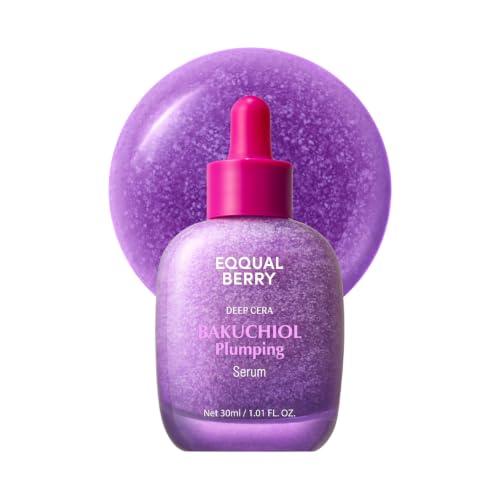
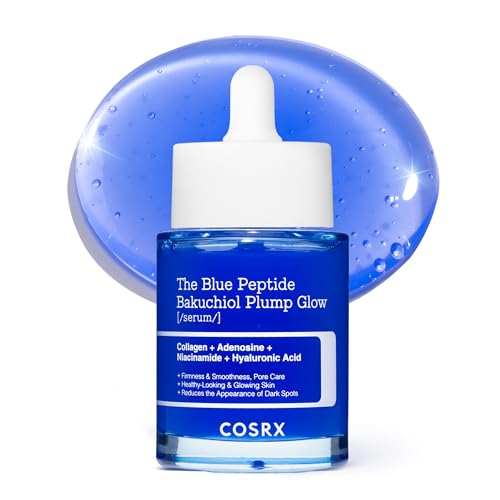
Remember, the best skincare is one that you can use consistently. With its outstanding safety profile and proven results, bakuchiol makes it easier than ever to maintain a healthy, glowing skin barrier. Explore the recommended products below to find the perfect bakuchiol addition for your routine.
Keep Learning: Explore more guides on clean beauty products, luxury skincare, and antioxidant serums to build your perfect routine.