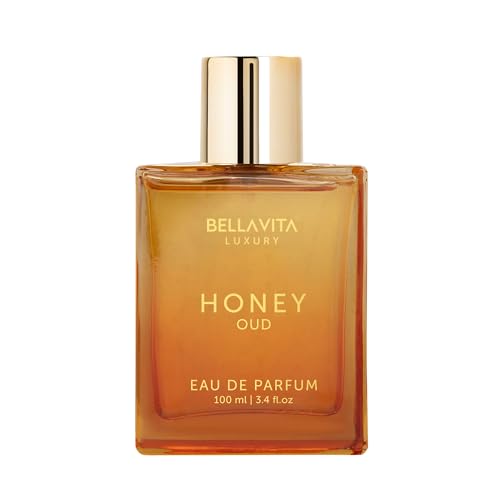
Top Perfumes for Women: Your Guide to Finding a Signature Scent
Navigate the world of women's fragrance with confidence. Understand notes, concentrations, and fragrance families so you can choose a perfume that feels unmistakably you.
START THE GUIDEChoosing a perfume is one of the most personal decisions in beauty. Unlike a lipstick shade or a skincare serum, fragrance interacts with your body chemistry, your memories, and the mood you want to project. That is why the "best" perfume for one woman can feel entirely wrong for another. This guide is designed for anyone in the research phase — you know you want a great women's fragrance, but you need clarity on notes, families, concentrations, and how to test properly before buying.
Whether you lean toward fresh citrus, romantic florals, warm orientals, or grounding woods, understanding the structure of fragrance will help you shop smarter. If you are also exploring men's scents for yourself or a partner, our guide to top 10 colognes for men uses the same fragrance principles. And once you have chosen your scent, our men's fragrance guide offers complementary advice on application and layering.
Quick philosophy: A great perfume does not need to be the most expensive bottle on the shelf. It needs to suit your skin, your lifestyle, and the impression you want to leave. Use this guide to shortlist fragrances by family and concentration, then test on skin before committing.
Understanding Fragrance Families
Every perfume is built from a blend of notes, and those notes are grouped into broad "families." Knowing the family you gravitate toward narrows your search dramatically. Most modern perfumes blend two or more families, but one usually dominates.
| Fragrance Family | Key Notes | Character | Best For |
|---|---|---|---|
| Floral | Rose, jasmine, peony, tuberose, lily | Romantic, feminine, classic | Daytime, spring and summer, everyday wear |
| Oriental / Amber | Vanilla, spices, resins, amber, incense | Warm, sensual, opulent | Evening, fall and winter, special occasions |
| Fresh | Citrus, green leaves, aquatic, bergamot | Light, crisp, energizing | Daytime, hot weather, office-friendly |
| Woody | Sandalwood, cedar, patchouli, vetiver | Grounding, sophisticated, modern | All seasons, unisex appeal, professional settings |
If you enjoy exploring natural, plant-based beauty in your skincare, you may also appreciate fragrances built around natural essences such as lavender oil or rose water. These notes can appear in both skincare and fine fragrance, creating a cohesive beauty routine.
The Three Tiers of Notes: Top, Heart, and Base
Fragrance evolves on your skin over time. This evolution is called the "pyramid" or "dry-down."
- Top notes: The first impression — usually citrus, light florals, or green notes. They last from a few minutes up to roughly 15 minutes.
- Heart (middle) notes: The core of the fragrance — florals, spices, or fruity notes. They emerge as top notes fade and last for a few hours.
- Base notes: The foundation — woods, resins, musk, vanilla. They linger longest and define the lasting impression.
Always judge a perfume by its base notes, not its opening spray. Ask for a sample and wear it for at least two hours before deciding.
Concentration: Eau de Toilette vs Eau de Parfum
The concentration of fragrance oil determines strength, longevity, and often the overall character of a scent. Understanding these labels helps you choose the right product for your needs.
| Concentration | Approx. Oil Content | Longevity | Typical Use |
|---|---|---|---|
| Eau de Cologne | Lowest | Short | Refreshing daytime spritz |
| Eau de Toilette (EDT) | Light to moderate | Moderate | Everyday wear, warm climates |
| Eau de Parfum (EDP) | Moderate to high | Long | Evening, cooler weather, statement wear |
| Parfum / Extrait | Highest | Very long | Special occasions, intense evenings |
How to Choose the Right Perfume for You
Choosing a perfume is not about following trends — it is about finding a scent that feels like an extension of yourself. Here is a practical approach.
1. Start with the Occasion
Ask yourself when you will wear this fragrance. A light citrus or green floral works well for the office or daytime errands. A richer amber or woody scent suits evenings and cooler months. Many women keep a small "wardrobe" of two or three perfumes for different contexts.
2. Match the Season
Heat amplifies fragrance, so lighter concentrations and fresh families perform better in summer. Cold air mutes scent, so richer, warmer families shine in winter. If you want a single year-round signature, look for balanced florals or soft woods.
3. Test on Skin, Not Paper
Paper strips are useful for a first filter, but fragrance reacts with your skin's pH and oils. Always spray on your wrist or inner elbow and live with it for a few hours. The scent you smell after 30 minutes and after three hours is the one you are actually buying.
4. Consider Your Skincare and Body Care
Fragrance lingers longer on moisturized skin. A neutral body lotion or a light body oil creates a better base. If you enjoy natural body care, products such as body spray or bath oil can complement your perfume without clashing.
5. Respect Sensitivity
If you have reactive skin, patch-test before applying perfume broadly. Avoid spraying directly on the face. For sensitive skin routines, explore non-toxic skincare principles and choose fragrances with fewer harsh synthetic fixatives when possible.
Notes That Define Popular Women's Perfumes
Certain notes appear again and again in top-selling women's fragrances. Understanding them helps you predict whether you will love a scent before you even smell it.
- Rose: The classic feminine note. Can be fresh and dewy or deep and velvety. Often paired with patchouli or vanilla.
- Jasmine: Rich, narcotic, and slightly indolic. A staple of floral bouquets and orientals.
- Vanilla: Warm, comforting, and gourmand. A base note that adds sweetness and longevity.
- Bergamot: Bright citrus top note. Common in fresh and aromatic compositions.
- Sandalwood: Creamy, soft wood. Adds elegance and a skin-like warmth.
- Patchouli: Earthy and woody. Modern perfumery uses it in refined, clean forms.
- Musk: A fixative and skin scent. Modern musks are clean and soft rather than animalic.
If you enjoy experimenting with natural ingredients, you might also explore single-note oils such as tea tree oil for skincare, though these are not substitutes for fine fragrance. For a broader look at natural beauty, see our natural beauty section.
How to Apply Perfume for Best Results
Application technique affects both longevity and projection. A few simple habits make a noticeable difference.
- Apply to pulse points: Wrists, inner elbows, base of the throat, and behind the ears. These areas are warm and help diffuse scent.
- Do not rub: Rubbing wrists together crushes the top notes and shortens the fragrance's life. Spray and let it dry naturally.
- Moisturize first: Dry skin releases fragrance faster. Apply an unscented lotion or a compatible body cream before spraying.
- Spray from a distance: Hold the bottle 10–15 cm from skin and spray once. Less is more — you can always add, but you cannot subtract.
- Layer thoughtfully: Use matching body care if available, or a neutral base. Avoid layering strongly scented products that fight the perfume.
Matching Perfume to Occasion and Mood
Think of fragrance as part of your outfit. The right scent can reinforce the impression you want to make.
| Occasion | Recommended Family | Concentration |
|---|---|---|
| Office / Workday | Fresh, light floral, soft woody | EDT |
| Casual Weekend | Fresh, citrus, green floral | EDT or light EDP |
| Date Night / Evening | Oriental, amber, rich floral, woody | EDP |
| Special Event / Formal | Opulent oriental, deep floral, parfum | Parfum or EDP |
| Travel | Fresh, versatile, light | EDT or travel spray |
For travel, consider a travel size perfume so you can carry your favorite scent without risking a full bottle. A dedicated travel cosmetic bag keeps bottles protected and organized.
Building a Fragrance Wardrobe
You do not need dozens of bottles. A considered collection of three to five perfumes covers most situations:
- One fresh everyday scent: Light, office-friendly, easy to reapply.
- One signature floral or woody: Your personal identity scent.
- One evening oriental or amber: For dinners, events, and cooler months.
- One travel-friendly option: A smaller bottle or travel spray.
If you are also shopping for a partner, the same logic applies to men's fragrance — see our guide to top 5 colognes for men for a compact shortlist.
Common Perfume Mistakes to Avoid
- Buying on the first spray: Top notes are not the full story. Wait for the dry-down.
- Over-applying: Two to three sprays are usually enough. More does not mean longer-lasting.
- Testing too many at once: Your nose fatigues quickly. Limit yourself to three or four samples per visit.
- Ignoring skin type: Dry skin needs more moisturizing before application; oily skin may amplify certain notes.
- Storing in the bathroom: Heat and humidity degrade fragrance. Store it cool and dark.
Frequently Asked Questions
How do I choose the best perfume for women?
Identify your preferred fragrance family first — floral, oriental, fresh, or woody. Test on your skin rather than paper, evaluate the dry-down after at least 30 minutes, and consider the occasion and season. Always sample before committing to a full bottle.
How long should a women's perfume last?
Longevity depends on concentration and skin type. Eau de Toilette typically lasts several hours, Eau de Parfum longer, and Parfum or Extrait the longest. Oily skin holds fragrance longer than dry skin. Applying to pulse points and moisturizing beforehand improves longevity.
What is the difference between Eau de Toilette and Eau de Parfum?
Eau de Toilette has a lower concentration of fragrance oils, offering a lighter, fresher scent with moderate longevity. Eau de Parfum has a higher concentration, delivering richer, longer-lasting wear. Parfum or Extrait contains the highest concentration for maximum depth and duration.
What are the main fragrance families for women's perfumes?
The main fragrance families are Floral (rose, jasmine, peony), Oriental or Amber (spices, resins, vanilla), Fresh (citrus, green, aquatic), and Woody (sandalwood, cedar, patchouli). Many modern perfumes blend families to create complex, layered scents.
Should I buy perfume online without smelling it first?
Buying online is convenient, but always try to sample first — request a sample vial, visit a store to test on skin, or purchase a discovery set. Reading detailed note breakdowns and reviews helps, but skin chemistry is personal. Once you know a fragrance works for you, buying online is a reliable option.
Final Thoughts
The best perfume for women is the one that feels right on your skin and fits your life. Use fragrance families to narrow your search, pay attention to concentration, and always test before you buy. A well-chosen scent becomes part of your identity — a quiet signature that lingers in memory long after you leave the room.
If you want to explore more beauty guidance, start with our getting started hub, or browse related topics such as top 5 perfumes for women for a more compact shortlist. For questions or feedback, feel free to contact us.