Peptides for Skin: The Science of Youthful, Resilient Skin
Unlock the power of peptides — the tiny protein fragments that signal your skin to repair, rebuild collagen, and smooth fine lines. Discover how to choose the right peptide product for your routine.
Shop Top Peptide Products ↓What Are Peptides and Why Do They Matter?
Peptides are short chains of amino acids that act as building blocks for proteins like collagen and elastin. When applied topically, they act as messengers, signaling your skin to produce more collagen, which leads to firmer, smoother, and more hydrated skin. Unlike retinol, peptides are gentle and suitable for sensitive skin, making them a versatile addition to any anti-aging routine.
Whether you're looking to reduce fine lines, improve skin texture, or boost overall radiance, peptides deliver visible results without irritation. They also work synergistically with other active ingredients like hyaluronic acid and vitamin C, enhancing their effectiveness.
Key Benefits of Peptides for Skin
⬆️ Collagen Boost
Stimulates collagen production, reducing the appearance of fine lines and wrinkles over time.
💧 Deep Hydration
Improves skin barrier function, locking in moisture and preventing transepidermal water loss.
🛡️ Firmness & Elasticity
Supports skin structure, giving a firmer, more lifted appearance.
✨ Even Texture
Helps smooth rough patches and refine skin surface for a radiant glow.
Common Types of Peptides in Skincare
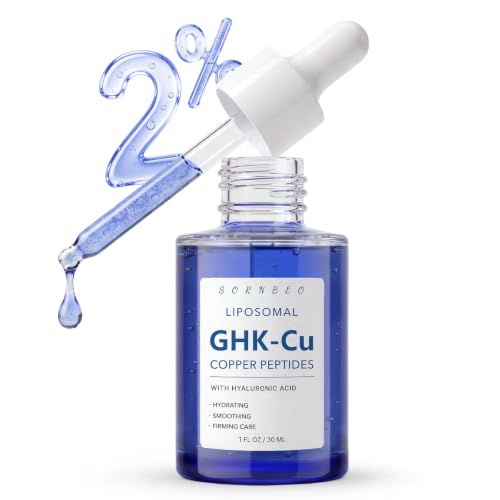
- Copper Peptides – Known for wound healing and collagen synthesis; also have antioxidant properties. Great for repair and rejuvenation.
- Matrixyl (Palmitoyl Pentapeptide-4) – One of the most studied peptides, proven to reduce wrinkle depth and stimulate collagen.
- Argireline (Acetyl Hexapeptide-8) – Often called "Botox in a jar," it relaxes facial muscles to minimize expression lines.
- Palmitoyl Tripeptide-1 – Works as a signaling peptide to boost collagen and elastin production.
- Palmitoyl Tetrapeptide-7 – Reduces inflammation and helps calm irritated skin while supporting barrier function.
Many modern serums combine multiple peptides for a multi-targeted approach. For example, copper peptide blends are excellent for post-procedure recovery, while bakuchiol-serum with peptides offers a retinol-alternative for sensitive skin.
How to Choose the Right Peptide Product
🔍 Tip for Smart Shopping: Look for products with a peptide concentration of 5–10% in a stable formula. Avoid jars (peptides degrade in light and air) — opt for airless pumps or dropper bottles.
When selecting a peptide serum or moisturizer, consider your primary concern: fine lines? Choose Matrixyl or Argireline. Dullness and barrier repair? Copper peptides or palmitoyl tripeptide-1 are ideal. For best results, apply peptides to damp skin after cleansing, before heavier creams. They play well with hyaluronic acid and niacinamide, but avoid layering with strong acids (like AHA/BHA) in the same routine, as low pH can break down peptides.
Many experts recommend using peptides both morning and night. In the AM, they pair beautifully with antioxidant serums and sunscreen; in the PM, they support overnight repair. If you're new to peptides, start with a gentle formula like a peptide-infused under-eye cream or a hydrating concealer with peptide benefits.
What Results Can You Expect?
Peptides are not instant fixers — they work cumulatively. Most users notice improved hydration and softness within the first week. By 4–6 weeks, fine lines begin to soften, and skin looks plumper. By 3 months, collagen remodeling becomes more apparent, with firmer, more resilient skin. Consistency is key, and peptides are generally safe for long-term use.
🌟 Did you know? Peptides are also found in many clean beauty products and vegan skincare lines, making them a favorite for conscious consumers.
If you're building a complete routine, consider adding a peptide serum alongside a non-comedogenic moisturizer and a daily facial cleanser. For targeted concerns, explore specialized options like eye cream with retinol (used on alternate nights) or a non-comedogenic cleanser to prevent breakouts while using peptide-rich products.
Quick FAQ: Peptides for Skin
- Can I use peptides with retinol? Yes, but apply retinol at night and peptides in the morning, or use on alternate evenings to avoid irritation.
- Are peptides safe for acne-prone skin? Yes, most peptides are non-comedogenic and even help soothe inflammation.
- Do peptides replace sunscreen? No — always follow with a broad-spectrum SPF 30+ during the day.
- How long does a bottle last? Typically 2–3 months with daily use (1–2 pumps).
Ready to add peptides to your routine?
Shop Top Peptide Products