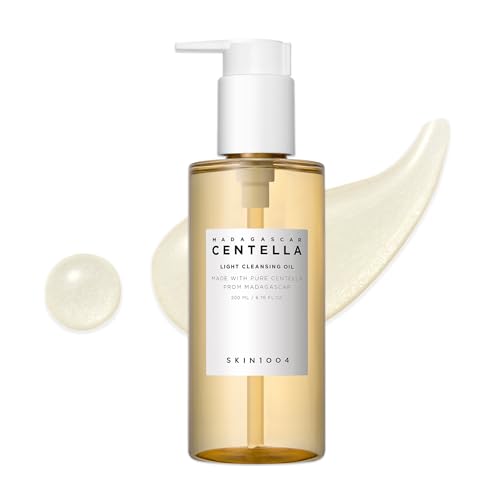
Oil Based Cleanser for Double Cleansing
The ultimate guide to choosing and using oil-based cleansers for effective double cleansing, with step-by-step instructions and expert recommendations.
What is an Oil-Based Cleanser? An oil-based cleanser is a skincare product formulated with natural or synthetic oils that effectively dissolve makeup, sunscreen, and excess sebum without stripping your skin's natural moisture barrier. It's the essential first step in the popular double cleansing method, particularly in Korean and Japanese skincare routines.
Benefits of Oil-Based Cleansers
Deep Cleansing
Dissolves stubborn makeup, sunscreen, and excess oil more effectively than water-based cleansers alone, ensuring thoroughly clean pores.
Maintains Skin Barrier
Unlike harsh cleansers that strip natural oils, oil-based cleansers preserve your skin's protective barrier while removing impurities.
Suitable for All Skin Types
Available in various formulations for different skin needs, including options for sensitive, oily, and acne-prone skin.
Improves Skin Texture
Regular use can help unclog pores and reduce the appearance of blackheads and sebaceous filaments for smoother skin.
How Oil-Based Cleansers Work
Like Dissolves Like
Oil-based cleansers work on the principle that oil dissolves oil. The cleanser's oils bind to the oils, makeup, and impurities on your skin, lifting them away without harsh rubbing.
Emulsification Magic
Most modern oil-based cleansers contain emulsifiers that allow the oil to turn milky when mixed with water, making it easy to rinse off completely without leaving a greasy residue.
Gentle Exfoliation
As you massage the oil into your skin, it gently helps loosen dead skin cells and debris, promoting cell turnover for brighter, healthier-looking skin.
How to Double Cleanse with Oil-Based Cleanser
-
Step 1: Apply Oil Cleanser to Dry Skin
Start with completely dry hands and a dry face. Dispense 1-2 pumps of oil cleanser into your palms and gently massage it onto your face using circular motions. Take your time to dissolve makeup and sunscreen thoroughly.
-
Step 2: Emulsify with Water
Wet your hands with lukewarm water and continue massaging your face. The oil will transform into a milky emulsion. This step is crucial for breaking down all the impurities and ensuring the product rinses cleanly.
-
Step 3: Rinse Thoroughly
Rinse your face with lukewarm water until all traces of the cleanser are gone. Make sure to rinse your jawline, hairline, and around your nose thoroughly.
-
Step 4: Follow with Water-Based Cleanser
Apply your favorite water-based cleanser to remove any remaining impurities, sweat, and dead skin cells. This second step ensures your skin is completely clean and ready for the rest of your skincare routine.
-
Step 5: Pat Dry and Continue Routine
Gently pat your face dry with a soft towel and follow with your regular skincare routine (toner, serum, moisturizer, etc.) while your skin is still slightly damp.
💡 Pro Tips for the Best Results
- Use lukewarm water - hot water can dry out your skin, while cold water won't emulsify the oil properly
- Don't rush the massage - spend at least 60 seconds massaging the oil cleanser into your skin
- Always double cleanse if you wear makeup or sunscreen for the most effective results
- Pay attention to how your skin feels - it should feel clean but not tight or dry
- Consider your skin type when choosing an oil cleanser - lighter oils for oily skin, richer oils for dry skin
- Apply your oil cleanser with gentle pressure - you don't need to scrub aggressively
Key Ingredients to Look For
Jojoba Oil
Mimics your skin's natural sebum, making it excellent for all skin types including oily and acne-prone skin.
Grapeseed Oil
Lightweight and non-comedogenic, perfect for those with oily or combination skin.
Olive Oil
Rich in antioxidants and vitamins, ideal for dry and mature skin types.
Rice Bran Oil
Contains vitamin E and ferulic acid, known for brightening and anti-aging benefits.
Choosing the Right Oil Cleanser for Your Skin Type
| Skin Type | Recommended Oils | What to Avoid |
|---|---|---|
| Oily/Acne-Prone | Grapeseed, Jojoba, Safflower | Heavy oils like Coconut, Olive |
| Dry/Dehydrated | Avocado, Olive, Sweet Almond | Light, "dry" oils |
| Combination | Jojoba, Grapeseed, Sunflower | Heavy or comedogenic oils |
| Sensitive | Mineral Oil, Squalane, Jojoba | Essential oils, Fragrances |
| Mature/Aging | Rosehip, Argan, Marula | Light, non-nourishing oils |
Common Mistakes to Avoid
Using on Wet Skin
Oil cleansers work best on dry skin. Using them on wet skin reduces their effectiveness in dissolving makeup and sunscreen.
Not Emulsifying Properly
Skipping the emulsification step can leave a greasy residue on your skin, potentially leading to clogged pores.
Rubbing Too Aggressively
Oil cleansers are designed to dissolve impurities without friction. Gentle massage is all you need - no scrubbing required.
Using Too Little Product
Using an insufficient amount of oil cleanser can cause friction and not effectively dissolve all makeup and sunscreen.
Frequently Asked Questions
Yes! Oil cleansers are gentle enough for daily use, especially as the first step in a double cleansing routine. They're actually beneficial for daily use as they help maintain your skin's natural moisture barrier while removing impurities effectively.
Not if you choose the right formula and rinse it off properly. Oil cleansers are non-comedogenic and actually help prevent breakouts by thoroughly removing pore-clogging impurities. However, if you have very acne-prone skin, look for formulas labeled "non-comedogenic" or specifically designed for acne-prone skin.
If you wear makeup or SPF daily, yes! Double cleansing ensures all products are thoroughly removed, preventing clogged pores and dull skin. On days when you don't wear makeup or sunscreen, a single cleanse with a water-based cleanser may be sufficient.
Oil cleansers are liquid formulas that flow easily, while cleansing balms are solid at room temperature and melt into oil when applied to the skin. Both are effective first-step cleansers; the choice comes down to personal preference and how they feel on your skin. Balms can be more travel-friendly and less likely to spill, while oil cleansers are easier to dispense.
Yes, but it's generally recommended to follow with a water-based cleanser for optimal results. If you're in a rush or using a very lightweight oil cleanser, you can use it alone. However, double cleansing ensures you get all the benefits of both oil and water-based cleansing.
The Bottom Line
Incorporating an oil-based cleanser into your daily routine through double cleansing is one of the most effective steps you can take for healthier, clearer, and more radiant skin. The method is backed by dermatologists and skincare experts worldwide, and with the right product for your skin type, you'll notice significant improvements in your skin's texture, clarity, and overall appearance.
Whether you're a skincare beginner or a seasoned enthusiast, oil-based double cleansing is a game-changer that delivers visible results. Choose a high-quality oil cleanser that suits your skin's needs, follow the proper technique, and enjoy the journey to glowing, healthy skin.