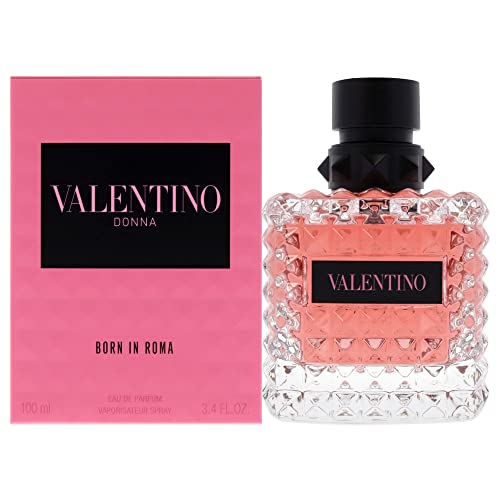
Most Expensive Perfume for Women
Explore the world of luxury fragrance — from rare extrait de parfum compositions to iconic designer masterpieces that define elegance, exclusivity, and craftsmanship.
DISCOVER LUXURY FRAGRANCESWhy Luxury Perfume Matters: The most expensive perfumes for women are not simply about price tags — they represent the pinnacle of perfumery artistry. These fragrances use rare raw materials, elevated concentrations, and masterful blending to create scents that linger beautifully and evolve uniquely on each wearer.
What Defines the Most Expensive Perfume for Women?
When collectors and fragrance enthusiasts discuss the most expensive perfume for women, several factors separate a luxury fragrance from a standard designer scent. Understanding these elements helps you make an informed decision before investing in a high-end bottle.
The first factor is ingredient quality. Luxury houses source rare materials such as iris absolute (which requires years of cultivation), natural oud, ambergris, and premium floral extracts. These ingredients are costly to produce and difficult to substitute, which naturally places the final product in a higher tier.
The second factor is fragrance concentration. Extrait de parfum (or pure parfum) typically contains 20–40% fragrance oil, compared to eau de parfum at 15–20% and eau de toilette at 5–15%. Higher concentration means richer depth, longer longevity, and a more intimate sillage.
Finally, craftsmanship and exclusivity play a role. Limited editions, hand-finished bottles, and perfumer signatures add a layer of artistry that justifies the luxury positioning. If you're exploring the broader world of premium scents, our guide to most popular fragrance for women offers a helpful complement to this luxury-focused overview.
Fragrance Tiers Explained
To navigate the luxury perfume market confidently, it helps to understand how fragrances are classified by quality and positioning. The following tiers provide a universal framework that remains relevant regardless of market fluctuations.
Entry-Level
Accessible fragrances with simpler compositions. Suitable for everyday wear and those new to fragrance collecting. Often feature synthetic molecules blended with a few natural accents.
Mid-Range
Balanced quality and artistry. These perfumes typically use a higher proportion of natural ingredients and offer better longevity than entry-level options, with recognizable house signatures.
Premium
Elevated concentration and refined blending. Premium fragrances often fall into the eau de parfum category with sophisticated note pyramids and 6–10 hour longevity.
Luxury
The top tier of perfumery. Extraits, rare ingredients, limited distribution, and artisanal packaging. These are the most expensive perfumes for women, prized by collectors and connoisseurs.
For readers interested in how longevity interacts with price tier, our article on perfume that lasts all day explains the technical differences between concentrations and application methods.
Iconic Luxury Perfumes for Women
The following fragrances represent the luxury tier — compositions that have earned recognition for their ingredient quality, artistic vision, and lasting impact on the perfume world. Each is a benchmark in its category.
Les Exclusifs Collection
Chanel's Les Exclusifs line represents the house's most refined olfactive creations. These fragrances use premium materials and are available in limited distribution, positioning them firmly in the luxury tier. Compositions like Beige and Coromandel showcase the brand's mastery of understated elegance.
Luxury TierLa Collection Privée
Dior's private collection features extrait-level concentrations and rare ingredients. Fragrances such as Gris Dior and Oud Ispahan demonstrate the house's commitment to high perfumery, with rich base notes that unfold over many hours on the skin.
Luxury TierPrivate Blend Collection
Tom Ford's Private Blend established a new standard for niche-inspired luxury within a major designer house. Compositions like Tobacco Vanille and Lost Cherry are renowned for their bold use of premium raw materials and exceptional longevity.
Luxury TierRoyal Exclusives
Creed's Royal Exclusives line includes some of the most expensive perfumes for women, featuring natural ambergris, rare florals, and meticulous blending. These fragrances are produced in limited quantities and are highly sought after by collectors.
Luxury TierL'Art & La Matière
Guerlain's exclusive collection celebrates the art of perfumery with rare ingredients and exceptional craftsmanship. Fragrances like Spiritueuse Double Vanille and Rose Barbare are celebrated for their depth, elegance, and use of high-grade natural materials.
Luxury TierHermessence Collection
Hermès' Hermessence line offers refined, minimalist compositions that prioritize ingredient quality over complexity. These fragrances are available only in select boutiques and represent the luxury tier with their understated sophistication and exceptional materials.
Luxury TierNight Veils Collection
Byredo's Night Veils represents the brand's most concentrated and luxurious offerings. These extrait-strength fragrances use high-quality raw materials and are designed for evening wear, with remarkable longevity and depth.
Luxury TierJoin the Club Collection
Xerjoff is renowned for using rare and precious ingredients in its compositions. The Join the Club collection features some of the most expensive perfumes for women, with artisanal production and ornate packaging that reflects the brand's commitment to luxury perfumery.
Luxury TierHow to Choose a Luxury Perfume
Selecting a high-end fragrance requires a thoughtful approach. Unlike mid-range purchases, luxury perfumes are investments that should align with your personal style, skin chemistry, and fragrance wardrobe.
- Sample before committing. Request a sample or visit a boutique to test the fragrance on your skin. Luxury perfumes evolve over hours, so observe how the scent develops from top notes to base.
- Consider the occasion. An extrait de parfum is ideal for evening wear and special occasions, while a premium eau de parfum may suit daily use. For guidance on building a versatile collection, see our perfume sampler guide.
- Evaluate longevity and sillage. Luxury perfumes should offer both. A fragrance that fades within two hours is not delivering the value expected at this tier.
- Research the house and perfumer. Understand the brand's philosophy and the perfumer's style. This context enriches your appreciation and helps you predict which compositions will resonate with you.
- Explore complementary categories. If you enjoy luxury fragrance, you may also appreciate premium body care. Our aromatherapy oil and body spray guides cover adjacent products that enhance your fragrance experience.
Luxury Perfume vs. Premium and Mid-Range
Understanding the distinctions between tiers helps you make a confident purchasing decision. The following table summarizes the key differences without referencing specific numbers.
| Attribute | Mid-Range | Premium | Luxury |
|---|---|---|---|
| Fragrance Concentration | EDT to EDP | EDP | EDP to Extrait |
| Ingredient Quality | Mixed naturals and synthetics | Higher proportion of naturals | Rare and precious naturals |
| Longevity | 4–6 hours | 6–10 hours | 8–12+ hours |
| Distribution | Wide retail | Select retailers | Boutique and limited |
| Target Audience | Everyday wearers | Fragrance enthusiasts | Collectors and connoisseurs |
Building a Luxury Fragrance Wardrobe
A well-curated fragrance wardrobe includes fragrances for different moods and occasions. For luxury collectors, this might include a signature daytime scent, a bold evening extrait, and a fresh option for warm weather.
If you're interested in how scent preferences evolve with age and experience, our article on perfume for older women explores how olfactory tastes mature and which luxury compositions tend to resonate most with seasoned wearers.
For those who enjoy exploring beyond traditional feminine fragrances, the men's fragrance guide offers insight into unisex and shared compositions that many luxury perfume lovers also appreciate.
Storage and Care for Luxury Perfumes
To preserve the integrity of a high-end fragrance, store it away from direct sunlight and temperature fluctuations. A cool, dark place — ideally in the original box — maintains the composition's quality over time. Avoid storing perfumes in bathrooms, where humidity can degrade the formula.
Proper application also affects performance. Apply to pulse points such as wrists, neck, and behind the ears. Avoid rubbing the wrists together, as this can break down the fragrance molecules and shorten longevity.
Ready to Explore Luxury Fragrances?
Browse our curated selection of premium and luxury perfumes for women — each chosen for its exceptional quality, craftsmanship, and lasting impression.
Frequently Asked Questions
What makes a perfume the most expensive for women?
The most expensive perfumes for women typically combine rare and precious raw materials, high concentrations of fragrance oils, artisanal craftsmanship, limited-edition packaging, and the prestige of the fragrance house. Ingredients like rare oud, iris absolute, and natural ambergris can dramatically elevate a perfume into the luxury tier.
How long should a luxury perfume last on the skin?
A high-end or luxury perfume with a high concentration of fragrance oils (extrait de parfum or parfum) can last 8 to 12 hours or more on the skin. Longevity also depends on skin type, application technique, and the specific base notes used in the composition.
Are expensive perfumes worth it compared to mid-range options?
Premium and luxury perfumes often use higher concentrations of natural ingredients, more sophisticated blending, and longer-lasting base notes. While mid-range fragrances can be excellent, the most expensive perfumes for women offer greater complexity, longevity, and exclusivity that discerning collectors value.
How can I test a luxury perfume before buying?
Request a sample from the retailer or visit a boutique to test the fragrance on your skin. Allow the scent to develop for several hours to observe the top, heart, and base notes. Many luxury houses also offer discovery sets, which are an excellent way to explore a collection before committing to a full bottle.
What is the difference between eau de parfum and extrait de parfum?
Eau de parfum typically contains 15–20% fragrance oil, while extrait de parfum (also called pure parfum) contains 20–40%. The higher concentration in extrait provides greater depth, longer longevity, and a more intimate sillage. Extrait de parfum is generally positioned in the luxury tier.