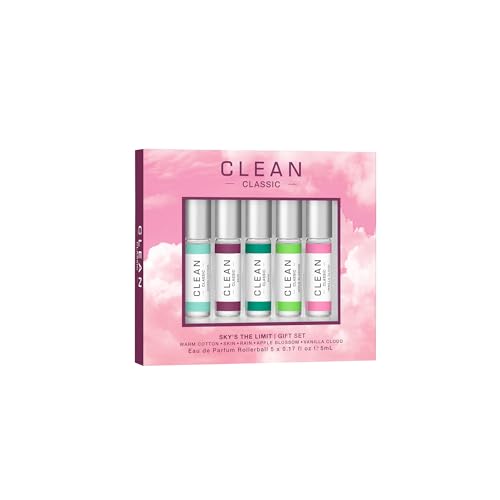
Clean Beauty Perfume: The Complete Guide to Non-Toxic Fragrance
Everything you need to know about clean beauty perfume — from understanding ingredient labels and avoiding endocrine disruptors to choosing the right concentration and finding brands that truly deliver on transparency. Make an informed, confident purchase.
Explore Clean Beauty GuidesWhy clean beauty perfume matters: Conventional fragrances can contain dozens — sometimes hundreds — of undisclosed ingredients, including phthalates, synthetic musks, and allergens. For anyone building a cleaner beauty routine, fragrance is often the last frontier. This guide breaks down what "clean" really means in perfumery, so you can shop with confidence and clarity.
What Exactly Is Clean Beauty Perfume?
Clean beauty perfume refers to fragrances formulated with a commitment to ingredient transparency and the avoidance of ingredients linked to health or environmental concerns. Unlike conventional perfumes — which can legally hide their formula behind the single word "fragrance" — clean perfumes typically disclose their full composition, or at least commit to excluding a defined "free-from" list.
The clean fragrance movement sits at the intersection of the broader clean beauty guide and the growing demand for non-toxic skincare principles applied to scent. It is not simply about being "natural." In fact, the clean beauty philosophy recognizes that some natural essential oils are among the most allergenic materials in perfumery, while certain safe synthetic molecules are both better tolerated and more sustainable. The goal is safety, transparency, and responsibility — not a rigid natural-only rule.
Key criteria that define a clean beauty perfume generally include:
- Full or near-full ingredient disclosure, including individual fragrance components
- No phthalates, synthetic musks (nitro and polycyclic), or UV filters hidden in the fragrance
- No known endocrine-disrupting chemicals
- Clear allergen labeling in line with EU Cosmetics Regulation
- Ethical sourcing, cruelty-free production, and sustainable packaging where possible
Why Choose Clean Beauty Perfume?
Fragrance is one of the most common causes of cosmetic contact dermatitis, and because scent molecules are volatile and inhaled, they also enter the body through the respiratory tract. For people with sensitive skin, allergies, or conditions like asthma, switching to a cleaner fragrance can make a noticeable difference in daily comfort.
Beyond personal health, clean beauty perfume often aligns with broader ethical values. Many clean fragrance houses prioritize cruelty-free beauty, vegan skincare-style formulations, and eco-friendly beauty practices — from recyclable glass bottles to responsibly sourced raw materials. Choosing clean perfume is a way to align your scent collection with the same principles you already apply to your skincare.
Finally, clean perfumery has matured dramatically. Modern niche and indie houses have proven that transparency does not mean sacrificing sophistication. Many of the most creative, long-lasting, and beautifully composed fragrances on the market today come from brands with rigorous clean standards.
Ingredients to Avoid in Conventional Fragrance
If you are transitioning to clean beauty perfume, understanding what to look out for is essential. The following ingredient families are the primary concerns flagged by clean beauty advocates and dermatologists:
1. Phthalates (Especially DEP and DBP)
Phthalates are used as fixatives and solvents to make fragrance last longer. Diethyl phthalate (DEP) is one of the most common, and it is classified as a suspected endocrine disruptor. Clean perfumes eliminate phthalates entirely, often replacing them with natural fixatives such as resins, ambrette seed, or benzoin.
2. Synthetic Musks (Nitro and Polycyclic)
Nitro musks and polycyclic musks are persistent in the environment and have been detected in human breast milk and blood. Some are suspected endocrine disruptors. Clean brands either avoid musks altogether or use biodegradable, well-tolerated alternatives such as macrocyclic musks where permitted.
3. Undisclosed "Fragrance" Blends
The term "fragrance" or "parfum" on a label can legally conceal dozens of individual components. Clean beauty perfume brands commit to transparency — either listing individual components or providing a full formula on request.
4. Common Allergens Without Warning
Limonene, linalool, citronellol, and geraniol are natural components that are also common allergens. Clean brands always label them clearly so sensitive individuals can make informed choices. Many also offer allergen-free or low-allergen options.
5. UV Filters and Synthetic Dyes
Some conventional perfumes use UV filters to prevent discoloration and synthetic dyes for visual appeal. Clean perfumes avoid these and rely on natural packaging solutions instead.
How to Read a Clean Perfume Label
Reading a fragrance label is a skill. Here's a practical checklist for evaluating whether a perfume meets clean beauty standards:
- Look for full disclosure. The more transparent the ingredient list, the better. Some brands publish their full formula online — this is the gold standard.
- Check for "free-from" claims. Claims like "phthalate-free," "paraben-free," and "no synthetic musks" are a good starting point, but verify them with third-party certifications where possible.
- Identify the concentration. Parfum (20–30% perfume oil) lasts the longest, followed by Eau de Parfum (15–20%), Eau de Toilette (5–15%), and Eau de Cologne (2–5%). If you want a fragrance that lasts all day, look for parfum or eau de parfum concentration — clean brands now offer excellent options in all categories.
- Look for certifications. Certifications such as Ecocert, COSMOS, or the EU Ecolabel provide independent verification of clean claims.
- Check allergen labeling. Under EU regulations, 26 known allergens must be listed if they exceed 0.001% in leave-on products. Clean brands go further and label more comprehensively.
For a broader framework that applies to all beauty products, see our non-toxic skincare guide and the clean beauty brands overview.
Understanding Fragrance Concentrations
One of the most practical decisions when buying clean beauty perfume is choosing the right concentration. Concentration determines longevity, projection, and how the fragrance evolves on your skin.
Parfum (Extrait de Parfum): The highest concentration of perfume oil, typically 20–30%. Parfum offers the longest wear and the most complex, evolving development. It is the top-tier choice for collectors and those who want a signature scent that lasts all day. Clean parfums from niche houses can rival conventional luxury fragrances in performance.
Eau de Parfum (EDP): The most popular concentration at 15–20% perfume oil. EDP strikes a balance between longevity and wearability — typically lasting 6–8 hours. The mid-range sweet spot for most consumers, and where clean brands offer the widest selection.
Eau de Toilette (EDT): At 5–15% concentration, EDT is lighter, fresher, and more affordable. It lasts 3–5 hours and is ideal for daytime wear, warm climates, or those who prefer a subtle scent bubble. Entry-level pricing in clean fragrance often sits here.
Eau de Cologne: The lightest concentration at 2–5%, lasting 2–3 hours. Best for a quick refresh rather than a signature scent.
When comparing clean perfumes, remember that a higher concentration does not always mean a "better" fragrance — it depends on your lifestyle, skin chemistry, and how you want the scent to perform.
Natural vs. Safe Synthetic: Debunking the Myth
A common misconception is that "natural" always equals "safer" in fragrance. In reality, essential oils are complex chemical cocktails — a single essential oil can contain hundreds of molecules, many of which are potent allergens or irritants. Rose oil, for example, naturally contains eugenol and citronellol, both recognized allergens.
Safe synthetic molecules, on the other hand, are often single, well-characterized compounds with known safety profiles. Some — like certain macrocyclic musks and modern woody ambers — are biodegradable and have excellent safety records. Many clean beauty perfume brands embrace a "best of both" approach: responsibly sourced naturals combined with safe, transparent synthetics to create fragrances that are both beautiful and well-tolerated.
The key principle is transparency and safety data, not the natural-versus-synthetic binary. When you explore natural beauty and plant-based beauty categories, keep this nuance in mind: purity of sourcing and safety of formulation are two different things.
Sustainability in Clean Perfumery
The environmental impact of fragrance is significant. Traditional sandalwood harvesting has depleted wild populations; some synthetic musks persist in waterways; and packaging waste from perfume bottles is substantial. Clean beauty perfume brands address these issues through several approaches:
- Responsible sourcing: Using sustainably farmed or certified raw materials, and supporting reforestation initiatives for woods like sandalwood and oud.
- Biodegradable molecules: Prioritizing fragrance materials that break down safely in the environment.
- Refillable and recyclable packaging: Many clean brands offer refill systems or use recycled glass and minimal outer packaging.
- Green chemistry: Using less energy-intensive extraction methods and renewable feedstocks for synthetic molecules.
These practices overlap heavily with eco-friendly beauty and vegan skincare standards, and they are increasingly a defining feature of the clean fragrance category.
How to Choose the Right Clean Perfume for You
Choosing a clean beauty perfume is a personal journey. Here is a step-by-step approach that will help you narrow your options and make a confident purchase:
- Identify your fragrance family. Do you prefer fresh citrus, floral, woody, oriental, or gourmand? Knowing your family narrows the field dramatically. Many clean brands specialize in specific families.
- Test on skin, not paper. Fragrance develops differently on skin due to body chemistry, temperature, and pH. Always request a sample or test on your wrist and let it develop for at least two hours before deciding.
- Consider the concentration for your lifestyle. A parfum for evening and special occasions, an EDT for daily office wear — matching concentration to context ensures you get the most from your purchase.
- Check the brand's transparency record. Look for brands that publish full ingredient lists, respond to ingredient inquiries, and hold third-party certifications.
- Evaluate longevity and sillage. Clean perfumes vary widely in performance. Read reviews that specifically address how long the scent lasts and how far it projects before buying.
- Think about season and climate. Lighter, fresher concentrations work best in heat; richer parfums shine in cool weather. A versatile wardrobe might include a fresh EDT for summer and a woody parfum for winter.
If you are also curating the rest of your routine, our minimalist skincare and getting started guides can help you build a coherent, value-driven regimen.
Application Tips for Better Performance
Even the finest clean beauty perfume performs better when applied correctly. These tips will help you get the most from your fragrance:
- Apply to pulse points: Wrists, neck, behind the ears, and the inner elbows. These areas emit heat that helps diffuse the scent.
- Moisturize first: Fragrance clings to hydrated skin. Apply an unscented lotion or a compatible body lotion before spraying.
- Do not rub: Rubbing your wrists together breaks down the fragrance molecules and shortens longevity. Let it dry naturally.
- Spray from a distance: Hold the bottle 5–7 inches from your skin for an even, fine mist.
- Layer strategically: Pair your perfume with matching or complementary body care for a longer-lasting scent bubble.
- Store correctly: Keep bottles away from direct sunlight and heat. A cool, dark drawer is ideal.
Common Mistakes When Buying Clean Perfume
Even well-intentioned clean beauty shoppers fall into these traps. Avoid them for a smarter purchase:
- Assuming "natural" means safe. As covered above, natural essential oils can be highly allergenic. Check allergen labeling regardless.
- Buying blind online. Fragrance is highly personal. Whenever possible, order sample sets or discovery kits before committing to a full bottle.
- Ignoring concentration. A beautiful EDT may disappoint if you expected all-day wear. Match concentration to your expectations.
- Overlooking storage and shelf life. Clean perfumes often use fewer stabilizers, so proper storage and awareness of shelf life matter more.
- Following trends instead of skin chemistry. A viral fragrance may not suit your pH. Always test on your own skin.
Frequently Asked Questions
Is clean beauty perfume really safer?
Clean beauty perfume reduces exposure to known problematic ingredients such as phthalates and certain synthetic musks. For sensitive individuals or those with allergies, the difference can be significant. However, "clean" is not a regulated term, so safety depends on the specific brand's standards and transparency. Always check ingredient lists and certifications.
Do clean perfumes last as long as conventional ones?
Yes — longevity depends primarily on concentration and formulation, not on whether the fragrance is "clean." A well-formulated clean parfum can last 8+ hours, comparable to conventional fragrances. Clean brands often use natural fixatives like resins and ambrette that perform excellently.
Can I be allergic to clean perfume?
Yes. Natural essential oils contain allergens, and even clean synthetics can trigger reactions in sensitive individuals. Always patch-test new fragrances and read allergen labeling carefully. If you have known sensitivities, look for allergen-free or low-allergen formulations.
Are clean perfumes more expensive?
Clean beauty perfume spans a wide range of tiers, from budget-friendly indie brands to luxury niche houses. While some clean fragrances carry premium positioning, many mid-range and entry-level options exist. Compare based on concentration and brand positioning rather than assuming clean always means high-end.
How do I know if a brand is genuinely clean?
Look for full ingredient disclosure, third-party certifications (Ecocert, COSMOS), clear allergen labeling, and absence of phthalates and synthetic musks. Brands that publish their full formula or respond transparently to ingredient inquiries are the most trustworthy.
Final Thoughts: Making a Confident Clean Perfume Purchase
Clean beauty perfume represents a meaningful shift toward transparency, safety, and responsibility in an industry that has historically hidden behind the word "fragrance." By understanding ingredient concerns, reading labels critically, and choosing concentrations that match your lifestyle, you can build a scent wardrobe that is both beautiful and aligned with your values.
Whether you are new to clean fragrance or refining an existing collection, the most important step is to educate yourself and test thoughtfully. Explore our clean beauty guide, best organic brands, and non-toxic skincare resources to deepen your knowledge. And when you are ready to purchase, the recommended products below are curated to help you find excellent clean beauty perfumes with confidence.